
Sydney Business: Startup Funding Year-End
Sydney's startup funding is wrapping up a strong year with record investment levels. The city's innovation ecosystem has attracted significant venture.
6 min read

The Australian Energy Market Operator's latest Connections Scorecard shows the new capacity across 34 projects delivered 12.9 GWh of energy storage.
Business & Markets Desk is a contributing writer covering business and public affairs for The Sydney Times.
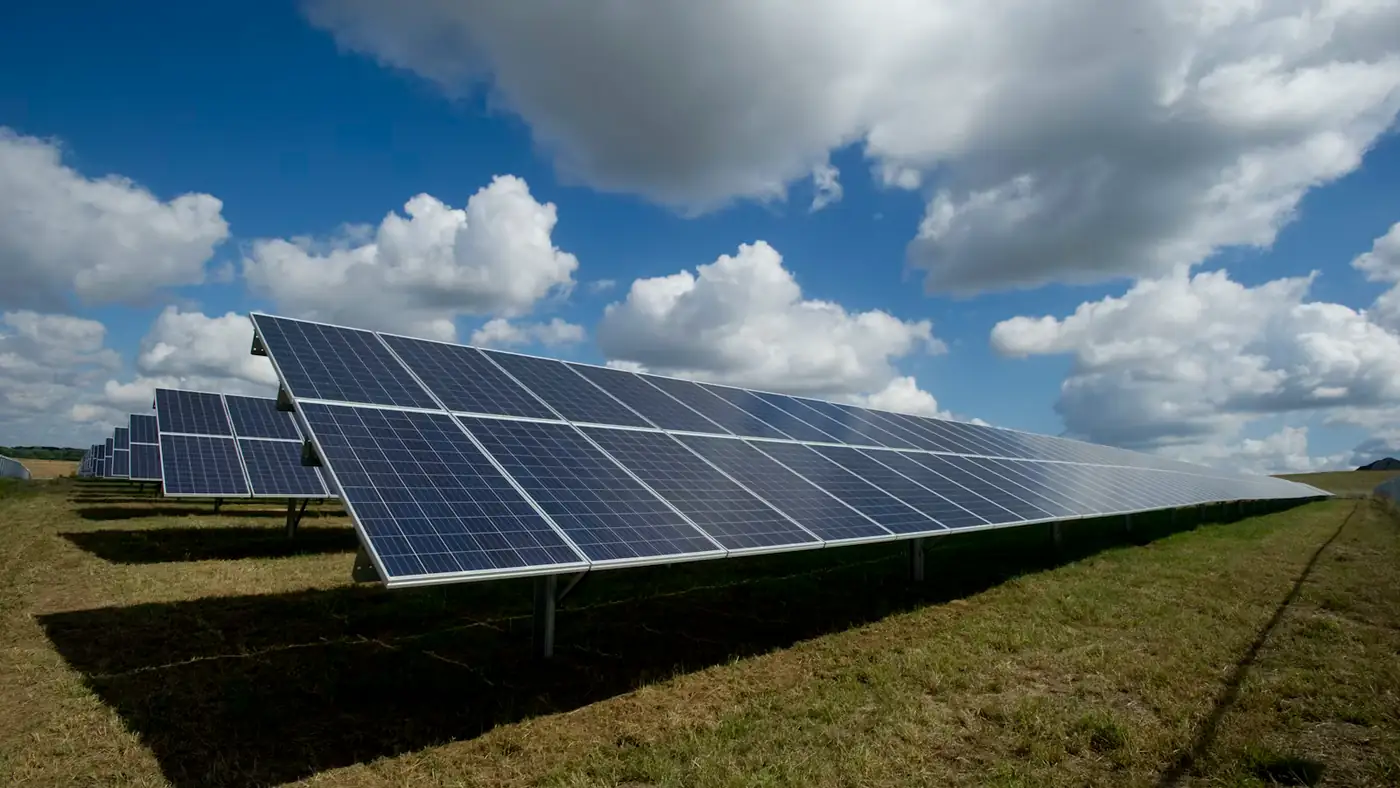
Australia's energy market operator has reported a record level of new solar, wind and battery projects entering the National Electricity Market, with 9.1 GW of new generation and storage capacity reaching full output in the 2025-26 financial year. The figure is more than double the 4.4 GW delivered in the previous year.
The Australian Energy Market Operator's latest Connections Scorecard shows the new capacity across 34 projects delivered 12.9 GWh of energy storage. The June quarter alone accounted for 3.9 GW of capacity across 14 projects reaching full output, including 2.7 GW of standalone battery storage, 500 MW of co-located solar and battery capacity, 400 MW of standalone solar and 200 MW of wind generation.
Battery projects continued to dominate the connections pipeline, accounting for 52 per cent of total capacity. Hybrid solar-plus-battery projects are an increasingly significant component, with 4.3 GW of applications received during the financial year. Developers behind 2.4 GW of solar projects commenced or completed processes to add battery energy storage systems.
The connections pipeline continued to expand, growing 42 per cent from 53 GW to 75.4 GW. Registration and application approvals reached 7.4 GW and 14.2 GW respectively during the financial year.
According to the Clean Energy Australia Report 2026, renewable energy accounted for 42.7 per cent of Australia's electricity generation in 2025, up from 38.9 per cent in 2024. Wind's share of generation rose to 15.7 per cent, up from 13.4 per cent, while utility-scale solar and rooftop solar contributed 5.3 per cent and 7.7 per cent respectively.
The Australian Energy Market Operator confirmed the results demonstrate strong performance across the project pipeline. Solar, wind and storage technologies are supporting Australia's transition to a more diverse electricity system.
Despite the record results, challenges persist. The median duration of the proponent implementation stage increased from 14 months to 18 months, with one-third of projects remaining in the stage for more than two years. BNEF has warned that Australia will struggle to reach its 82 per cent renewable energy target by 2030 if current investment and development pipeline challenges persist.
Investment in solar and wind increased 341 per cent in the first half of 2026 from the same period a year earlier, buoyed by federal Labor's Capacity Investment Scheme. However, wind capacity additions remain a concern, with only 252 MW of onshore wind commissioned in the first six months of 2026.
For more on Australia's energy transition, see the Business & Markets section.
Direct inquiries, corrections, or documentation concerning this dispatch to our editorial newsroom desk.
Sydney's startup funding is wrapping up a strong year with record investment levels. The city's innovation ecosystem has attracted significant venture.

The ASX year-end review shows mixed results as global economic conditions shift. Australian equities have navigated a complex landscape of interest rate.

Sydney's export trade is showing resilience as global demand shifts. The city's diverse export base is helping it weather international economic headwinds.

The Reserve Bank of Australia held the cash rate at 4.35% in September 2026, citing easing inflation while warning of persistent services price pressures.