
Sydney Property: Housing Market Outlook
Sydney's housing market outlook for 2027 shows cautious optimism. After a period of adjustment to higher interest rates, the property market is showing
6 min read

Brisbane edged past Sydney as the most expensive capital city, but apartment rents here still rose 2.4 per cent in the June quarter to a record median
Property Desk is a contributing writer covering property and public affairs for The Sydney Times.
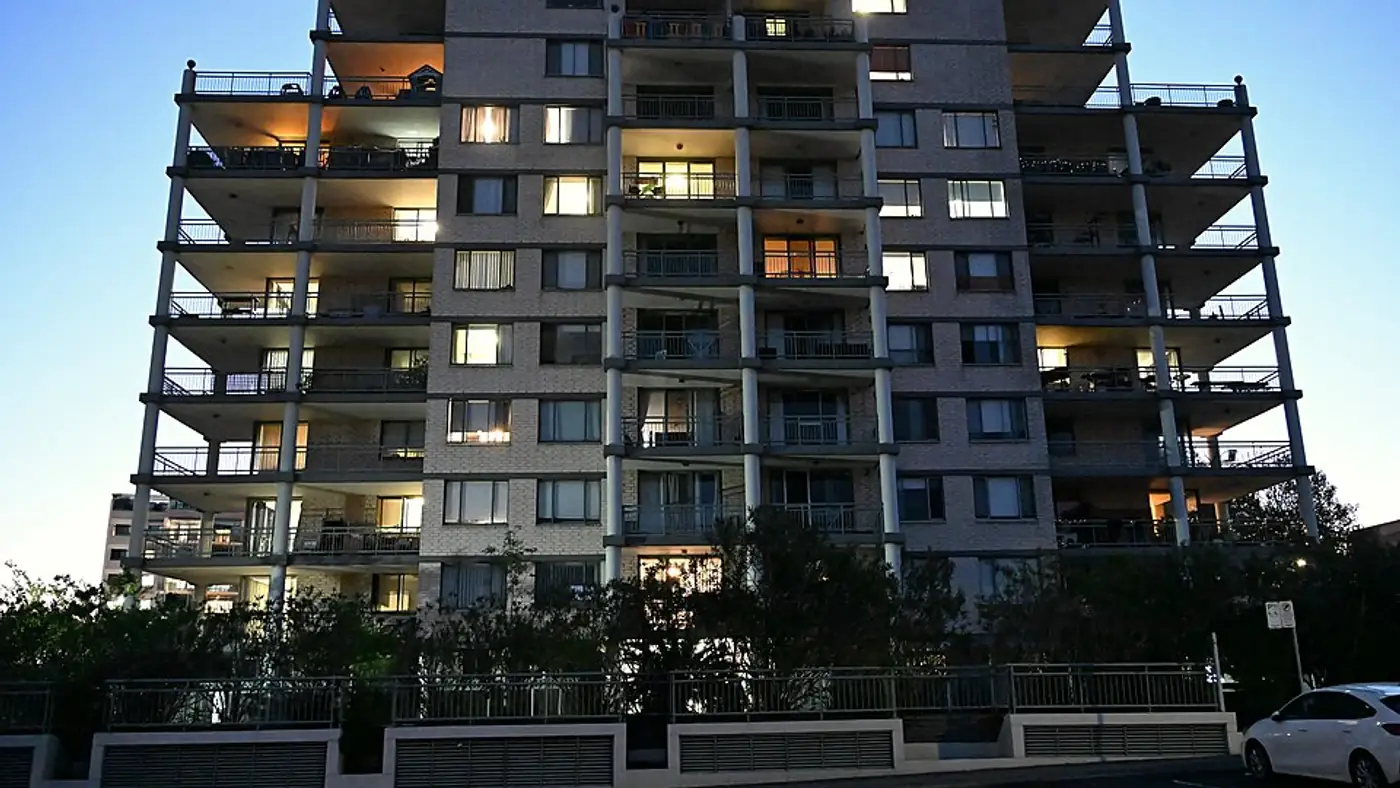
Apartment rents across Sydney rose 2.4 per cent in the June quarter, taking the city's median advertised weekly rent for a one-bedroom apartment to $720 and setting a fresh quarterly record, even as Brisbane overtook Sydney on a headline median.
The figures, published in September by the two national property portals, point to a market that is still tightening slowly at the top end and loosening at the bottom. Asking rents in Sydney's outer west and south-west suburbs were flat quarter on quarter, while rents in the inner north and eastern suburbs rose 3.1 per cent.
Bondi Junction recorded a median one-bedroom rent of $780 a week, the highest in the country, while Parramatta's median was $540. Newcastle's median, at $490, remains cheaper than Parramatta's for the first time in three years.
The gap between advertised and achieved rents is the more important number. Both portals report that their advertised figures run roughly 6 per cent above what landlords actually collect, and that the gap widened through the quarter as more tenants negotiated.
Vacancy, which had fallen to a cyclical low of 1.3 per cent in the December quarter, edged back to 1.7 per cent. Net migration into NSW has moderated, and the new supply cycle has started to bite: roughly 24,400 apartments are expected to complete across Greater Sydney in the 2026 calendar year, the highest since 2021.
The quarterly portal data and the ABS price index measure different things. The portals count advertised asking rents on a median basis and are updated weekly; the ABS measures achieved rents through a panel of advertised properties and lags by roughly two months. The gap between the two has widened, which is why Sydney apartment rents can be described as at a record and still be characterised as plateauing.
The portals also break the headline into a stock of furnished and unfurnished listings, with furnished short-term stock growing fastest in the inner city. That segment is outside the ABS measure, and its expansion pushes the advertised median higher without changing what a tenant signing a twelve-month lease pays.
The Australian Bureau of Statistics price index for rents rose 0.6 per cent nationally in the June quarter, the smallest quarterly gain in three years, which is broadly consistent with the portal data once the advertised-to-achieved gap is adjusted for.
The NSW Government has expanded the Rental and Tenancy Services complaints function following a 21 per cent increase in rental dispute lodgements in the first eight months of the year. The most common complaint category is still the security deposit, followed by repairs and modification requests.
Tenants' groups continue to argue the quarter's record is misleading, pointing to the volume of households in temporary accommodation and to share-house listings falling. A household survey released in August by a renter advocacy body put the share of tenants paying more than 30 per cent of income in rent at 41 per cent, up from 38 per cent a year earlier.
For investors, the question is no longer whether rents are rising. With a one-bedroom median of $720 a week, a household on a median income now needs roughly 46 per cent of gross income to service a one-bedroom lease, up from 42 per cent two years ago.
The offsetting detail is the widening yield gap: gross rental yields in Sydney have compressed to about 3.1 per cent, the tightest in six years, while operating costs have risen. Two recent development sales in the inner west were reported at benchmark yields, which several agents described as a floor rather than a starting point.
The regulatory backdrop is also shifting. A review of the residential tenancy framework, which has been running since the start of the year, is expected to report before the end of the session, and its likely recommendations — longer minimum lease terms and a registration scheme for short-term lets — bear directly on the stock of homes available to rent.
For more coverage of the rental and investment market, see the Property hub.
Direct inquiries, corrections, or documentation concerning this dispatch to our editorial newsroom desk.
Sydney's housing market outlook for 2027 shows cautious optimism. After a period of adjustment to higher interest rates, the property market is showing

Sydney's commercial property market is showing signs of recovery. After a prolonged period of uncertainty, the city's office and retail sectors are

Sydney's rental market is showing signs of stabilisation as vacancy rates shift. The property market is adjusting to new supply levels and changing
Sydney's best suburbs for property investment are evolving as the market continues to shift. The property market offers a range of opportunities across