
Australian Dollar Outlook September 2026 , Forecast and Analysis
Australian dollar outlook September 2026, including forecast, analysis, and what to expect for the AUD against the US dollar and A comprehensive guide c...
7 min read

The ASX 200 sits at a two-month low as bond yields surge, and the RBA rate decision on September 29 adds further uncertainty for Sydney businesses.

Business & Markets Desk is a contributing writer covering business and public affairs for The Sydney Times.
Sydney businesses are bracing for a challenging period as the ASX 200 sits at a two-month low and the Reserve Bank of Australia's rate decision approaches. The combination of surging bond yields and rising oil prices is creating a difficult environment for businesses across the metropolitan area.
The S&P/ASX 200 closed at a two-month low earlier this month, wiping out its 2026 gains. The benchmark index closed around 8,706 points, well below its 52-week high of 9,267 points. The sell-off was triggered by a surge in global bond yields, with Australia's 3-year government bond yield climbing above 5 percent, its highest level in roughly 15 years.
Materials led the sector declines, with BHP Group Ltd shares falling 4.34 percent to $60.69 and Rio Tinto Ltd shares dropping 3.54 percent to $168.30. Information technology also fell sharply, continuing a pattern of underperformance for growth-oriented stocks during periods of rising discount rates. Financials bucked the broader trend, posting a solid gain alongside modest gains for industrials and utilities.
The combination of rising bond yields and higher official rate expectations creates a double drag on business conditions. Higher borrowing costs are squeezing small and medium businesses across the metropolitan area, particularly in the hospitality and retail sectors. The proportion of household income devoted to mortgage servicing has climbed steadily, reducing discretionary spending in the CBD and suburban shopping strips.
The Reserve Bank of Australia will announce its September rate decision on 29 September. Financial markets are pricing a 25 basis point increase to 4.85 percent, which would add approximately $120 to monthly repayments on a $750,000 mortgage. Citi reportedly expects rate increases in both September and November, which would take the cash rate to 4.85 percent.
The RBA's next decision will be the next major catalyst for business conditions. Markets will watch the accompanying statement for clues about the November trajectory. According to the Reserve Bank of Australia, the board evaluates a wide range of indicators including global financial conditions, domestic demand, and the labour market before setting the cash rate. The Australian Bureau of Statistics monthly CPI indicator remains the key data point to track.
Explore business and markets coverage at Business & Markets
Read about Sydney economic trends at the Economy section
Discover more about Sydney business at the Business hub
The Reserve Bank of Australia publishes its monetary policy decisions at Reserve Bank of Australia. The Australian Bureau of Statistics releases monthly CPI data at Australian Bureau of Statistics. The ASX market analysis is available through Kalkine Media.
Direct inquiries, corrections, or documentation concerning this dispatch to our editorial newsroom desk.
Australian dollar outlook September 2026, including forecast, analysis, and what to expect for the AUD against the US dollar and A comprehensive guide c...
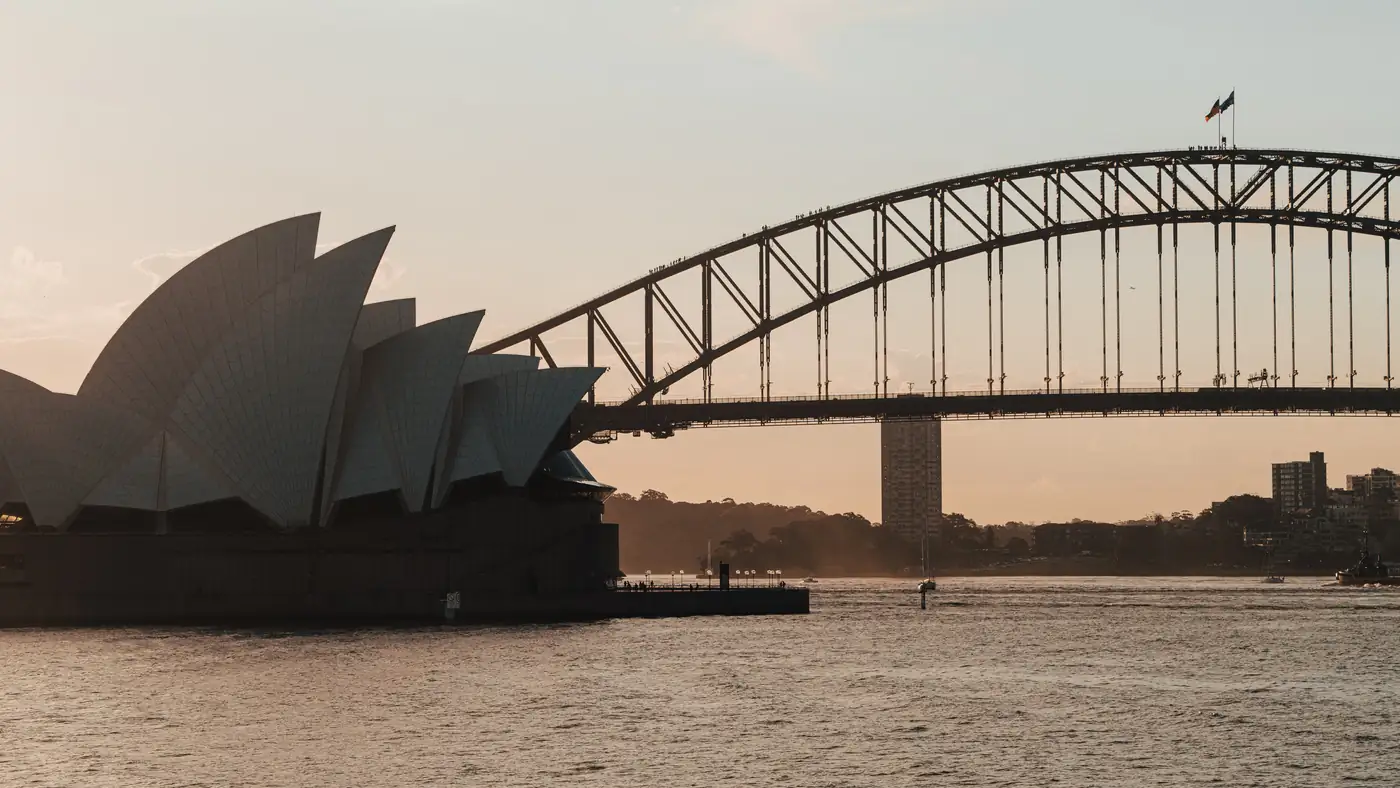
Sydney's commercial property market is attracting record institutional investment as office vacancy rates stabilise and industrial demand surges.

Australia's insurance sector is undergoing significant consolidation as major players acquire smaller competitors to expand their market share.
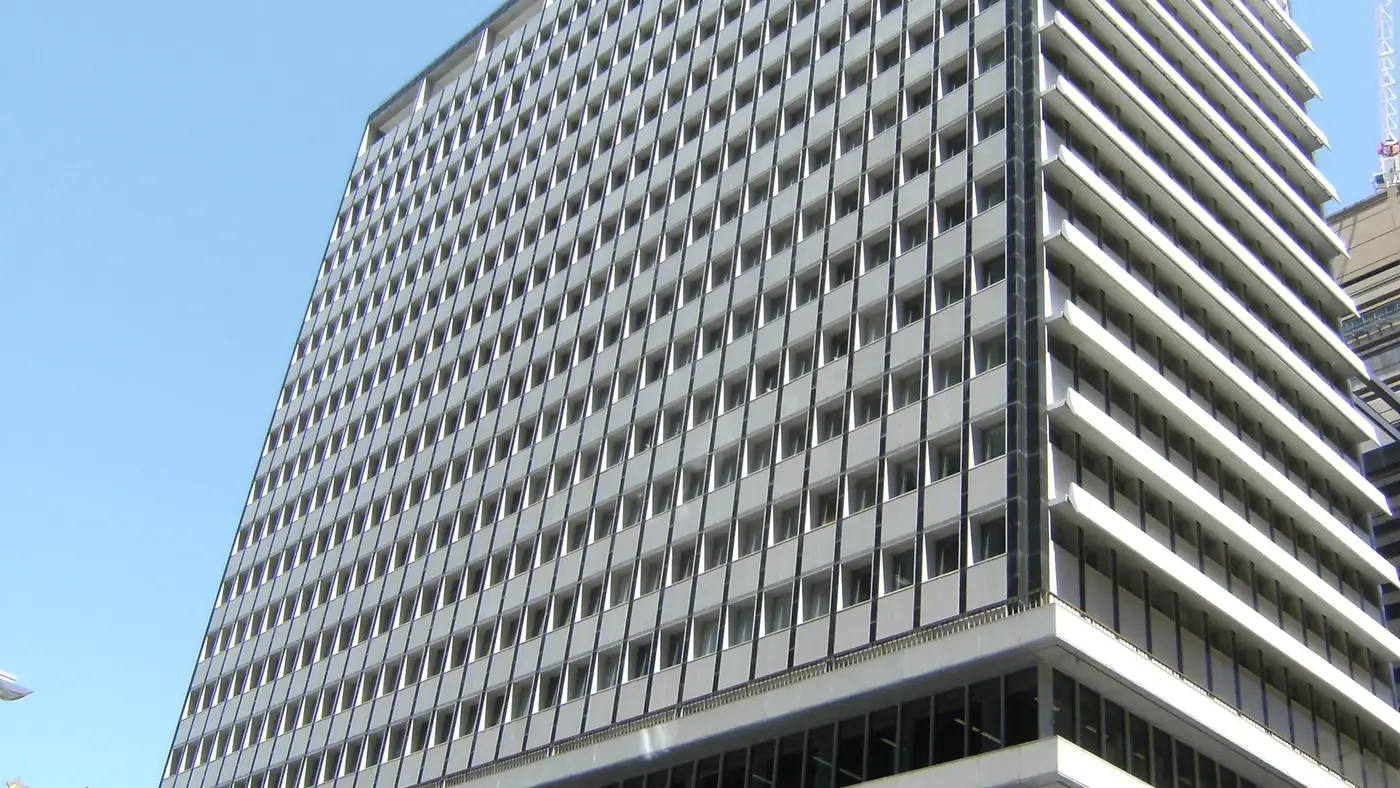
The Reserve Bank has signalled a potential rate cut as inflation falls within the target band, prompting a mixed reaction from economists and markets.