
Australian Dollar Outlook September 2026 , Forecast and Analysis
Australian dollar outlook September 2026, including forecast, analysis, and what to expect for the AUD against the US dollar and A comprehensive guide c...
7 min read

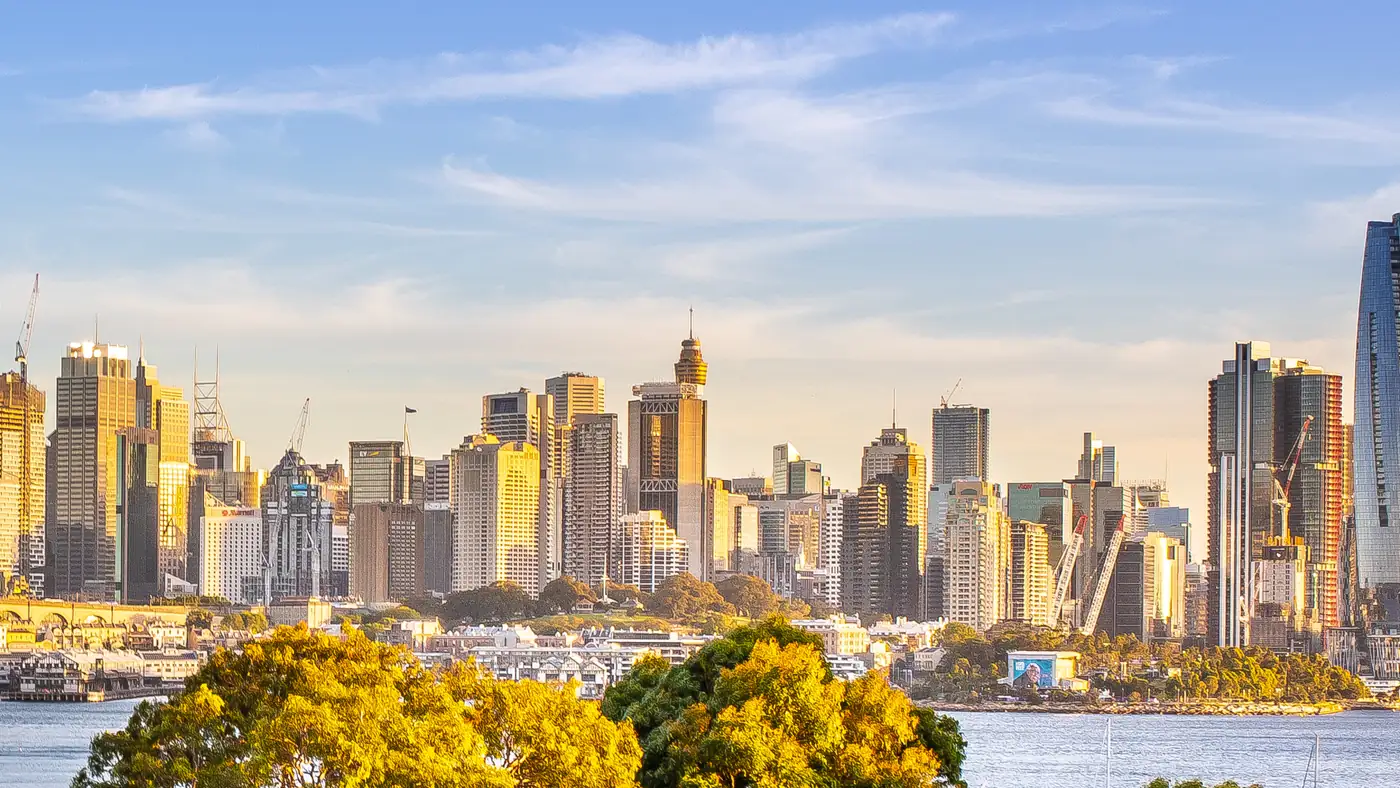
Sydney CBD office vacancy held at 13.8 per cent through mid-2026, masking a split market where prime tightened to 12.6 per cent and secondary sits at 16 per cent.
The Business Desk is a contributing writer covering business and public affairs for The Sydney Times.
Sydney CBD office vacancy held steady at 13.8 per cent through the first half of 2026, but the aggregate figure conceals a sharper divergence between premium and secondary stock. Prime vacancy tightened to 12.6 per cent by June, while secondary grade space sat at 16 per cent, reflecting a sustained flight to quality that is reshaping tenant behaviour across the city.
The latest Property Council of Australia Office Market Report shows Sydney CBD vacancy moved from 13.7 per cent in July 2025 to 13.8 per cent in January 2026, with new supply partly offset by tenant consolidation into better-located assets. The report highlights prime vacancy at 13.2 per cent compared with secondary vacancy at 14.9 per cent, a gap that has widened as organisations prioritise higher-amenity, better-performing buildings.
Net effective rents in prime locations continued to edge higher through Q1 and Q2 2026. According to CBRE Research, prime net effective rents rose 4.2 per cent year-on-year to $832 per square metre per annum, with premium-grade rents reaching $933 per square metre per annum, up 4.3 per cent YoY. A-grade rents increased to $753 per square metre per annum, up 4.2 per cent YoY, reflecting continued tenant demand for quality space at a discount to premium assets.
CBRE received 141 leasing enquiries totalling 125,230 sqm in the Sydney CBD in Q1 2026, a 22 per cent improvement on Q1 2025. enquiries remained strong in Q2, with 124 enquiries totalling 134,365 sqm. No new office space was delivered to the CBD in the first half of 2026, a significant shift from the 76,500 sqm and 162,100 sqm completed in 2025 and 2024 respectively.
The JLL Sydney Office Market Dynamics report for Q2 2026 notes that year-to-date net absorption reached 39,300 sqm through Q2, with vacancy falling to 13.9 per cent by June, down 0.7 percentage points from 14.6 per cent at end of 2025. Gross effective rents reached AUD 1,135 per sqm per annum, with year-on-year growth of 8.3 per cent.
The performance gap between prime and secondary stock is most pronounced in the Barangaroo and Martin Place precincts, where new and refurbished towers have set new benchmarks for sustainability and amenity. The Barangaroo Delivery Authority has overseen the integration of commercial towers with public realm works, creating a waterfront address that commands premium rents and low vacancy.
According to the City of Sydney Central Sydney Planning Strategy, the CBD Core remains the most diversified precinct, with the highest quantum of premium stock at 773,000 sqm. The proportion of premium office space in Walsh Bay, where Barangaroo sits, is 81 per cent, underscoring how new supply is concentrated in high-quality assets.
The two-speed market presents a clear strategic challenge for landlords. Secondary buildings without a clear upgrade path face rising vacancy and declining rents, while prime assets with strong sustainability credentials and end-of-trip facilities are commanding rental growth and pre-commitments ahead of completion.
Major Sydney CBD projects on the horizon include 8-10 Lee Street (58,000 sqm) in Q4 2026, 37-55 Pitt Street (63,000 sqm) in Q3 2027, and 2 Chifley Square (53,275 sqm) in Q3 2027. The Property Council reports that more than 61 per cent of future supply is already pre-committed, indicating sustained demand for well-located, high-performance stock.
For more context on Sydney property and markets, see Business & Markets.
Direct inquiries, corrections, or documentation concerning this dispatch to our editorial newsroom desk.
Australian dollar outlook September 2026, including forecast, analysis, and what to expect for the AUD against the US dollar and A comprehensive guide c...

Sydney's tech export sector is accelerating. AI, fintech, and cybersecurity startups are capturing international market share at an unprecedented rate.
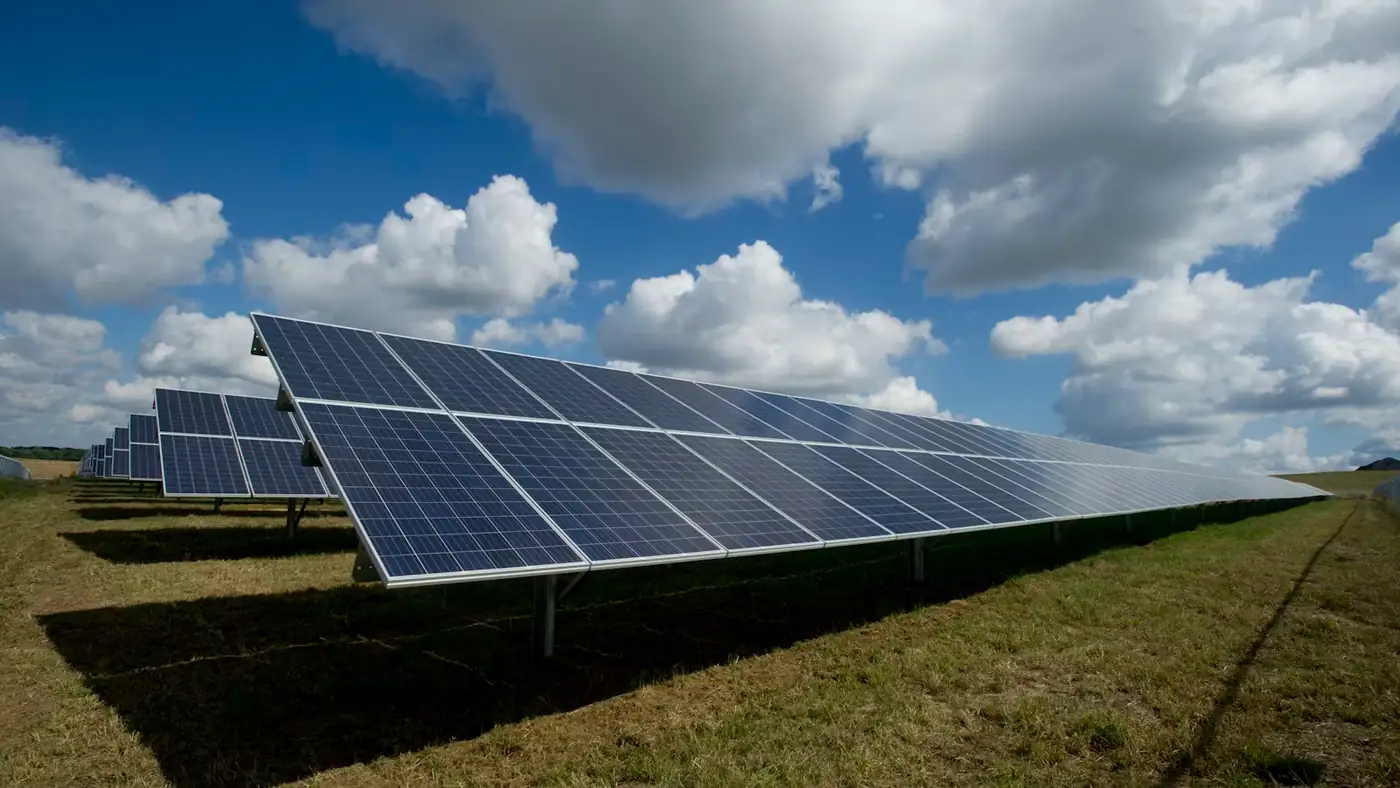
New South Wales is accelerating its renewable energy transition as aging coal power stations prepare for closure across the state this year.
The Reserve Bank's latest rate decision has intensified pressure on Sydney mortgage holders, with average repayments climbing across the eastern suburbs.