
Sydney Culture: Sydney Festival 2027
Sydney Festival 2027 is shaping up to be one of the most ambitious cultural events yet. The festival programme promises to bring world-class
6 min read

A report card on Sydney live music finds small venues carried 61 per cent of ticket volume while taking a shrinking share of the city's $214 million take.
Culture Desk is a contributing writer covering culture and public affairs for The Sydney Times.
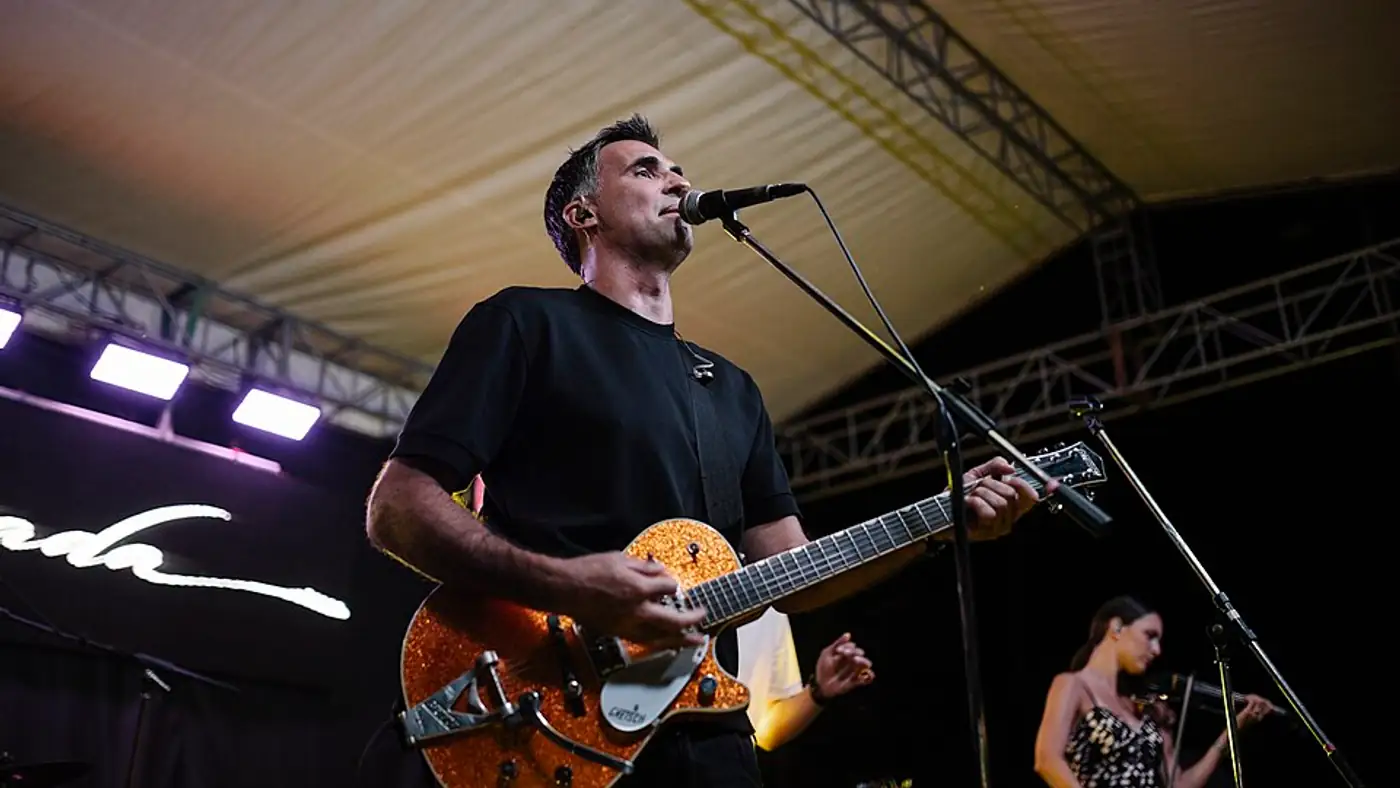
Sydney's live music economy is carrying record audiences and shrinking margins, according to a sector report published this month that tracks the financial performance of 214 small and mid-sized venues across the city.
The report puts the value of the Sydney live music economy at $214 million for the 2025-26 financial year, up 8 per cent on the prior year on ticket revenue alone. Attendance rose 11 per cent to 3.9 million admissions, the highest recorded since the sector began tracking annual data in 2016.
The gains are concentrated. Venues with 300 to 900 capacity grew fastest, up 19 per cent on attendance, while the smallest tier of rooms — the 150 to 300 capacity venues that anchor Newtown, Redfern, Marrickville, Enmore and Stanmore — grew attendance by only 2 per cent.
Small venues under 300 capacity accounted for 61 per cent of ticket volume across the sector, but only 24 per cent of revenue, because of a median ticket price of $22 against $58 at the larger tier.
Costs rose faster than revenue. The report found median venue overheads up 14 per cent year-on-year, driven by insurance premiums, which rose 22 per cent among surveyed operators, and electricity, which rose 17 per cent for venues on time-of-use tariffs.
Rent remains the largest single line, at a median 18 per cent of revenue for small rooms and 31 per cent for the mid-tier. Fourteen per cent of venues in the sample reported a rent increase above the pace of inflation at their last review.
Average gross margin across the sector came in at 9 per cent of revenue, down from 15 per cent two years ago. Thirty-one per cent of venues reported operating at a loss in at least one quarter of the reporting period.
The report's most consistent finding is that small-room economics improve sharply when a venue stops treating live music as the primary business. Venues that derive more than 40 per cent of revenue from bar sales, food or private hires — seventeen of the sixty-four small rooms in the sample — reported margins roughly double the sector median.
Grants are the other stabiliser. Thirty-nine per cent of surveyed venues applied for council or state funding in the past year, and those that received it were markedly more likely to report a positive full-year result.
Owner-operator models also perform better than leased premises, though the report is careful to note that owner-operators are older, smaller and more likely to hold long-term leases.
The report puts the cost of a mid-tier backline hire at $340 to $680 per show including delivery, which it describes as the fastest-growing expense for emerging artists touring the city.
Venue income from the door is no longer the only line. Bar take per head averaged $19.40, up from $16.80 two years ago, and several operators told the survey that they now price drinks to subsidise rather than supplement the ticket.
Merchandise contributed 4 per cent of revenue on average, but more than 11 per cent for rooms with dedicated staffing at the bar.
The report's headline recommendation is a targeted relief scheme for rooms under 300 capacity, modelled on commercial tenancy protections extended to small live music premises, with a mandatory notice period and a hardship review process.
It also calls for standardised backline hire pricing disclosure, a sector-wide insurance data project to bring premiums back into line with comparable hospitality venues, and better coordination between council licensing teams and small operators to reduce the average approval time for late licences.
Venue operators and council licensing contacts are listed in the report's appendix, and the full dataset is available from the report's published tables.
Direct inquiries, corrections, or documentation concerning this dispatch to our editorial newsroom desk.
Sydney Festival 2027 is shaping up to be one of the most ambitious cultural events yet. The festival programme promises to bring world-class

Vivid Sydney 2027 is shaping up to be one of the most ambitious light festivals yet. With dates confirmed and Expressions of Interest open, the festival

Sydney's theatre season for 2027 is shaping up to be one of the most ambitious yet. The programme features a diverse range of productions spanning
Sydney's best cultural events are packed with festivals, exhibitions, and performances across the metropolitan area. The city's vibrant cultural scene