
Sydney to Newcastle high-speed rail enters two-year tunnel design phase
Three international consortiums will spend two years designing 35km of twin tunnels between Berowra and Ourimbah on the $90 billion Sydney to Newcastle high-speed rail line, with a decision due by mid-2028.
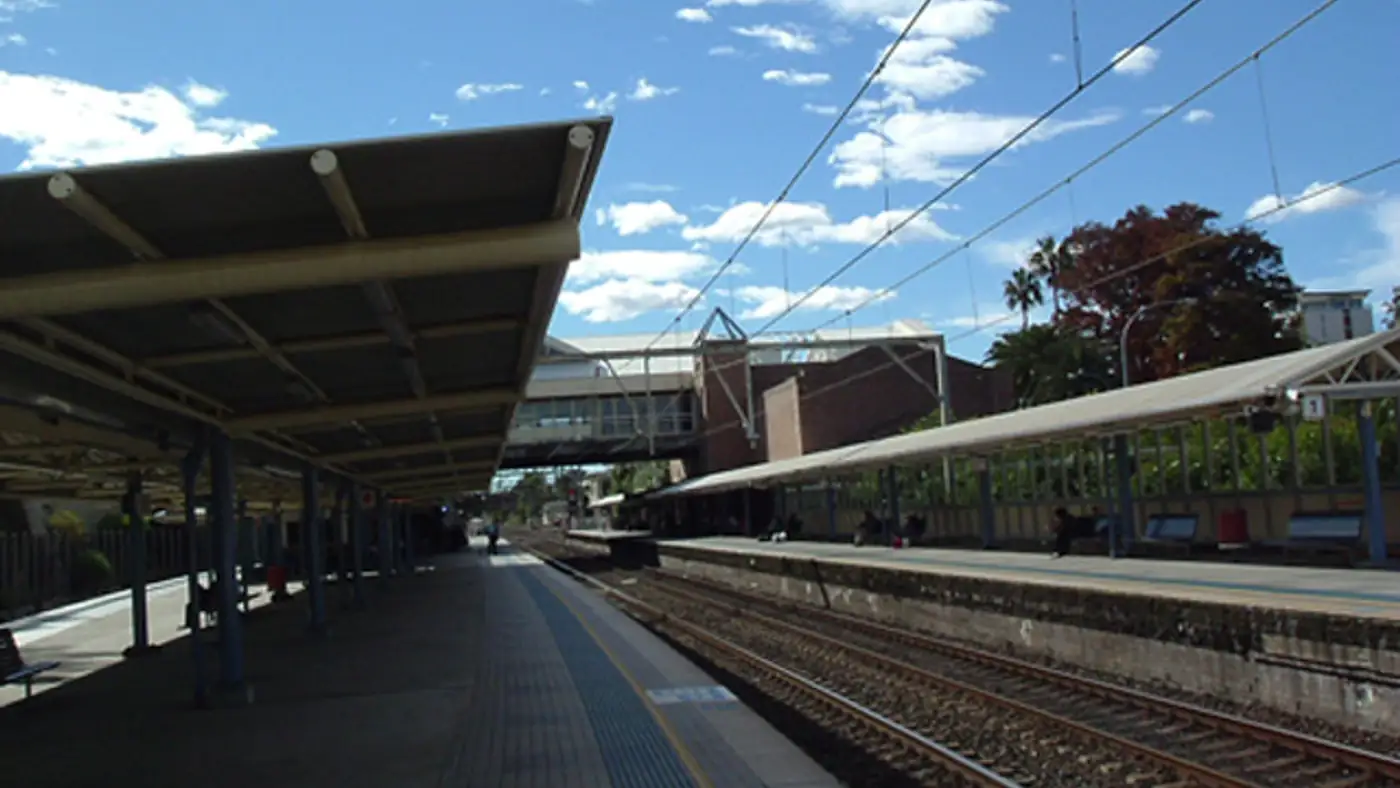
Three international construction consortiums have entered a two-year development phase to design 35 kilometres of twin tunnels between Berowra and Ourimbah on the $90 billion Sydney to Newcastle high-speed rail line, moving the project closer to a federal investment decision by mid-2028. The High Speed Rail Authority shortlisted the teams in August 2026 for the so-called Area Package 1, the most technically challenging section of the route because it passes under the Hawkesbury River and hilly terrain covered by national park.
The Acciona John Holland Joint Venture, the Advanced Alliance Joint Venture comprising Gamuda Engineering, FCC Construction Australia and Samsung C&T Corporation, and the GoFar Joint Venture of CPB Contractors, Ferrovial Construction Australia and VINCI Construction Grands Projets Australia will now compete to develop detailed designs for the tunnelling and the new Central Coast station at Gosford. Each consortium will receive up to $50 million in development funding to complete scope, design and approvals work before the Australian Government decides whether to proceed.
The Berowra-Ourimbah challenge
The 35-kilometre tunnel section between Berowra and Ourimbah is the longest continuous underground segment on the proposed route. It traverses the Hawkesbury River sandstone country, passes beneath the Marramarra and Muogamarra national parks, and requires careful geological investigation to determine tunnel diameter, boring machine specifications, and ground treatment requirements. The High Speed Rail Authority has said the tunnelling industry has built hundreds of kilometres of tunnels in Australia over the past 15 years, and that the project will draw on that domestic expertise.
The Gosford station design is being developed as an airport-style terminal rather than a traditional suburban rail platform. High Speed Rail Authority chief executive Tim Parker said the station would have four platforms and would require substantial surface and structural works to integrate with the existing Gosford railway precinct and the broader Central Coast urban area. The Authority will also shortlist contractors for an advanced manufacturing facility to be built somewhere along the corridor; the tender will run in parallel with the design work for Area Package 1 and is expected to be released next month.
The business case and federal timing
The business case for the Newcastle to Central Station leg put the cost at $61.2 billion, with an onward leg to Parramatta and the new Western Sydney Airport at an additional $32.4 billion. The total $90 billion figure covers both sections. The two-year development phase is aimed at firming costs, designs and program schedules to be handed to the federal government by mid-2028, shortly before the next national election, allowing it to then make an investment decision on whether to proceed.
Federal Transport Minister Catherine King said the three consortiums would determine the best and most innovative ways to drive tunnels between Berowra and Ourimbah, while ensuring taxpayers receive value for money. King said the roads between Newcastle and Sydney are congested and the existing rail line is reaching capacity, and that the government must invest in new ways to travel between the state's two largest cities. No major construction contract will be awarded before the government completes its decision-making process.
High Speed Rail Authority modelling suggests initial services could connect Broadmeadow, Lake Macquarie and the Central Coast from 2037, followed by an extension to Sydney Central in 2039. Those remain planning assumptions rather than committed opening dates, and depend entirely on the investment decision expected at the end of the development phase.
What the regional stations mean
Gosford has been confirmed as the Central Coast's high-speed station since April 2026, when Parker announced the underground site near the existing Gosford Station. Central Coast Council's Key Enabling Projects 2026 document frames the railway as central to unlocking coordinated housing supply and supporting workforce participation across the region. The Central Coast population is around 363,424 in 2026 and forecast to reach about 412,502 by 2046, placing pressure on housing, transport and services.
Broadmeadow in Newcastle will be the subject of a separate contract that will go to tender only if final investment approval is granted in 2028. The Broadmeadow station would serve as the Hunter Valley terminus, connecting with existing regional rail and bus networks. Three other major contracts, comprising high-speed train platforms and a concourse at Central Station, tunnels from Berowra to the Sydney CBD, and the Gosford station itself, will also only proceed to tender if the project receives final approval.
NSW Premier Chris Minns has repeatedly ruled out the state committing funding for the project but has said his government would be willing to fast-track planning. That position leaves the project entirely in federal hands, with the NSW government's role limited to land use planning coordination and potential expedited state approvals if the Commonwealth proceeds.
The manufacturing question
An expression of interest for an advanced manufacturing facility to be built somewhere along the proposed corridor will be released next month. If the government approves the project, the facility will be used to manufacture components for the high-speed rail line, including tunnel segments, track systems, and potentially train body shells. The tender will run in parallel with the design work for the Berowra to Ourimbah section, meaning a manufacturing site could be selected before the final investment decision is made.
Train suppliers for the project will be shortlisted later this week. The Authority has not disclosed the number of train sets required or the expected maximum operating speed, though the business case assumes services running at up to 320 kilometres per hour. The alignment from the Central Coast to Sydney's northern fringe is easily the most challenging section because it passes under the Hawkesbury River and hilly terrain covered by national park, making the tunnel design work the critical path for the entire project.
The High Speed Rail Authority says it will select a preferred bidder for the tunnelling work quickly if the government gives final approval, followed by a 10-year construction timeframe for the first section. That timeline would see tunnelling and station construction complete around 2038, matching the planning assumption for initial services from 2037.