
Sydney Property: Housing Market Outlook
Sydney's housing market outlook for 2027 shows cautious optimism. After a period of adjustment to higher interest rates, the property market is showing
6 min read

Infrastructure spending is reshaping Sydney's property map. These are the best suburbs to buy in 2026, based on transport, rezoning, and price data.
Property Desk is a contributing writer covering property and public affairs for The Sydney Times.
Sydney's property map is being redrawn by infrastructure, and the smartest buyers in 2026 are following the construction crews rather than the prestige postcodes. The Valuer General NSW data shows the strongest median price growth over the past year in suburbs with a committed transport or rezoning catalyst, not in the established eastern belts.
The pattern is consistent with the last infrastructure cycle. Suburbs that gained a metro station or a rezoning precinct outperformed the city average by a wide margin within three years of the announcement.
Parramatta remains the strongest large-scale play. The second CBD has a growing pipeline of commercial and residential towers, a light rail network under construction, and a hospital expansion. Median unit prices still sit well below the city average, which leaves room for growth as the office and retail floorspace comes online.
The NSW Planning Portal lists the major project consents, and the volume of approved dwellings is the clearest signal of where demand is heading.
Bankstown is the standout in the metro south. The Sydney Metro conversion of the Bankstown line is the single largest transport project in the city, and suburbs along the corridor have already repriced. The remaining upside sits in the pockets between stations, where older stock can still be bought below the new median.
Macquarie Park has matured from a business park into a genuine city centre, with a metro station, a major hospital, and a university precinct. The City of Ryde rezoning has added thousands of dwellings, and the buyer pool now includes downsizers competing with young families.
The infrastructure pipeline is the list of committed projects, and the NSW Planning Portal publishes the major project consents. The light rail, the metro, and the hospital expansions are the funded projects, and the volume of approved dwellings is the signal.
The pipeline is the reason the suburbs are on the list, and the committed funding is the strongest signal.
The rezoning detail is the council planning change, and the City of Parramatta and the City of Ryde rezonings have added thousands of dwellings. The rezoning is the supply signal, and the new stock is the price signal.
The rezoning is the long-term driver, and the infrastructure is the short-term catalyst.
The commute detail is the trade-off, and the metro and light rail corridors cut the travel time to the CBD. The Transport NSW network maps are the planning tool, and the station proximity is the price driver.
The price data tells the story. Parramatta's median house price sits near AU$1.1 million, with units near AU$650,000. Bankstown's median house sits near AU$1.05 million, and Macquarie Park's median sits near AU$1.2 million. Wolli Creek's median sits near AU$1.15 million, and Olympic Park's median sits near AU$1.0 million.
The Valuer General NSW publishes the suburb medians quarterly, and the data is the starting point for any suburb comparison.
The buyer demand is shifting from the eastern belts to the infrastructure corridors. The City of Parramatta and the Canterbury-Bankstown Council areas are absorbing the demand that the inner west has priced out, and the transport projects are the reason.
The shortlist uses three inputs: committed infrastructure, rezoning volume, and price data from the Valuer General NSW. Suburbs needed a funded transport or rezoning catalyst, a pipeline of approved dwellings, and a median price below the city average.
The data is the starting point, and the local knowledge is the finish. Visit the suburb at different times of day, check the flight maps, and read the council planning documents before you bid.
Olympic Park is the inner-west outlier, with a median below the city average and direct access to the CBD via the ferry and the train. The City of Parramatta has rezoned the waterfront, and the new stock is the draw.
The infrastructure thesis can fail. Rezoning can be delayed, transport projects can be cut, and the price premium can be priced in before the first sod is turned. The suburbs above have funded, committed projects, which is the strongest signal available.
Wolli Creek sits between the airport and the CBD with direct rail access, and it continues to attract buyers priced out of the inner west. The trade-off is aircraft noise, which caps price growth in the flight path and rewards buyers who check the flight maps before bidding.
The Western Sydney Airport opening in October 2026 adds a second growth axis to the west, and our aerotropolis investment analysis covers the suburbs in its orbit. Explore more suburb analysis at the Property & Suburbs hub
Direct inquiries, corrections, or documentation concerning this dispatch to our editorial newsroom desk.
Sydney's housing market outlook for 2027 shows cautious optimism. After a period of adjustment to higher interest rates, the property market is showing

Sydney's commercial property market is showing signs of recovery. After a prolonged period of uncertainty, the city's office and retail sectors are

Sydney's rental market is showing signs of stabilisation as vacancy rates shift. The property market is adjusting to new supply levels and changing
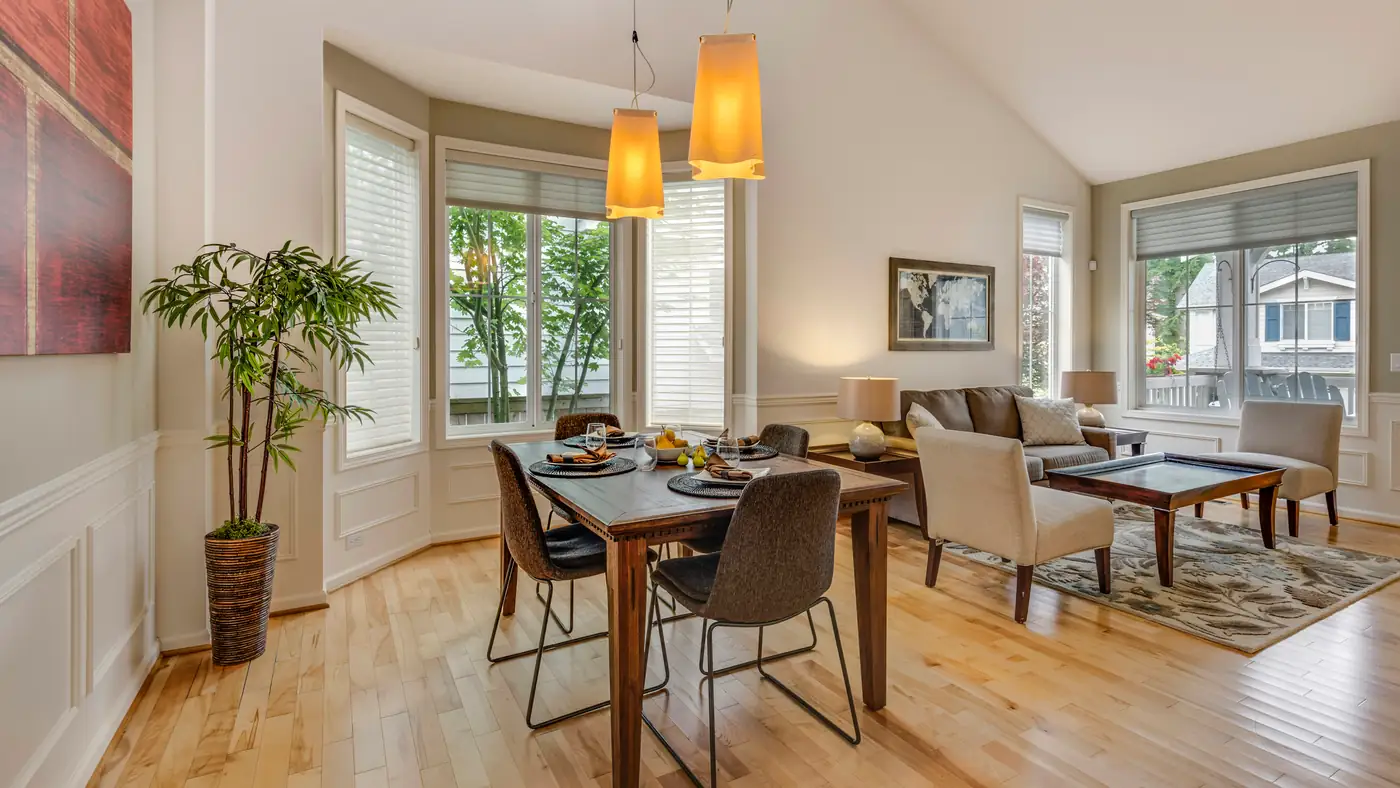
Entry-level Sydney property still exists if you know where to look. These are the most affordable suburbs with median prices under the city average.