
Sydney Property: Housing Market Outlook: Sydney's housing mark
Sydney's housing market outlook for 2027 shows cautious optimism. After a period of adjustment to higher interest rates, the property market is showing.
6 min read

The build-to-rent sector has entered a new phase of maturity, with NSW overtaking Victoria as Australia's dominant growth market for forward pipeline.

The Property Desk is a contributing writer covering property and public affairs for The Sydney Times.
The build-to-rent sector has entered a new phase of maturity, with NSW overtaking Victoria as Australia's dominant growth market for forward pipeline delivery and Sydney closing the gap on Melbourne as the national leader in institutional rental housing. BDO Australia's 2026 Build to Rent report, released in March, found that the national pipeline rose to 51,000 apartments across operating, under construction, and planning stages, with an estimated total value of $40.1 billion, up from 39,300 apartments and $30.1 billion a year earlier, a lift of around 30 percent in apartments and 33 percent in total value in just 12 months.
The defining shift behind those headline numbers is geographic. For the first time since build-to-rent emerged in Australia, NSW has overtaken Victoria as the dominant growth market for forward pipeline delivery. BDO analysis shows NSW with 17,465 apartments across 51 projects, compared with Victoria's 24,855 apartments across 65 projects, but the growth rate in planned developments is far stronger in Sydney. Eighty percent of build-to-rent platforms surveyed by BDO expect their next project to be in NSW, not Victoria, signalling that capital is following policy settings.
The shift is directly attributable to policy changes. NSW removed the foreign purchaser surcharge duty for build-to-rent projects in 2023 and introduced planning incentives that allow developers to exceed standard height and density controls in exchange for a higher proportion of rental housing. The result has been a surge in feasibility studies and planning applications, with platforms such as Coronation, now the largest build-to-rent platform nationally with 5,378 apartments, concentrating its portfolio entirely in Sydney.
Victoria helped institutionalise build-to-rent in Australia, and it remains the country's largest market today, but the growth story has moved. The divergence reflects a broader pattern in which the most rate-sensitive housing market in the country is also the most responsive to policy signals. When the NSW Government aligned build-to-rent tax settings with other institutional-grade asset classes such as industrial, commercial, and purpose-built student accommodation, capital followed.
Novus, an Australian build-to-rent developer, announced in July that a South Korean consortium including Hyundai Engineering and Construction and Korea Investment Real Asset Management would back a $340 million project in Chatswood. The development, known as The Victoria, will deliver a 46-level tower offering 260 rental apartments on the lower north shore, marking the Korean investors' first move into the Australian market. Chatswood's vacancy rate of 0.9 percent and its status as one of Sydney's best-connected neighbourhoods made it an obvious choice for a platform seeking to demonstrate that build-to-rent can work in premium, established suburbs as well as in greenfield corridors.
Despite the growth, build-to-rent still represents only around 1.15 percent of rental stock and 0.31 percent of total housing stock in Australia, underscoring both how early the market remains and how much runway exists for future growth. BDO's research suggests build-to-rent could reach 350,000 apartments over the next 10 years if policy settings continue to improve and investment conditions remain supportive. The projection assumes that state governments extend existing build-to-rent exemptions for foreign surcharge purchaser duty to operational build-to-rent assets, aligning the sector with other institutional-grade asset classes.
The sector is also evolving in its approach to tenant experience. BDO's platform survey shows that 33 operating platforms were active in Australia as of mid-2026, up from 29 a year earlier, with sector activity increasingly supported by dedicated management models and a stronger focus on tenant amenities, community programming, and long-term lease options. The average build-to-rent resident stays for 2.5 to 3 years, compared with 1.5 years in the traditional private rental market, providing more stable income for operators and more security for tenants.
The GST treatment of institutional build-to-rent remains a feasibility issue for the sector. Unlike other investment-grade assets, build-to-rent operators cannot claim GST input credits, adding up to 10 percent to project costs. The Property Council of Australia and the Australian Housing Investors Association have both called for alignment with other commercial asset classes, arguing that the current treatment creates a structural cost disadvantage that flows through to higher rents or reduced supply. The issue is expected to be raised in the October 2026 federal budget.
For renters, the build-to-rent pipeline offers the prospect of more professionally managed rental options, particularly in Sydney where the sector is expanding fastest. More supply and competition should help ease rental pressure over the medium to long term, providing tenants with greater choice and more stable tenancy arrangements. The tenant experience in build-to-rent properties is typically higher than in the traditional rental market, with professional maintenance, community facilities, and longer lease terms.
For investors, the sector represents an alternative to direct property ownership that offers institutional-grade management, diversification, and exposure to the rental market without the responsibilities of being a landlord. The growth in build-to-rent also signals that institutional capital views Australian rental housing as a viable long-term asset class, which should support confidence in the broader housing market. The Korean investment in Novus's Chatswood project, following earlier commitments from Canadian and British pension funds, demonstrates that the sector is attracting offshore capital that was previously focused on office and industrial assets.
The NSW Government's planning reform agenda is likely to continue supporting build-to-rent delivery. The Housing Delivery Authority, established in 2025 to accelerate project approvals, has identified build-to-rent as a priority sector, and the state's target of 377,000 new dwellings over five years includes a significant build-to-rent component. The federal government's Housing Australia Future Fund, which provides concessional finance for affordable and social housing, may also provide indirect support by reducing the need for build-to-rent operators to compete with government-funded social housing for sites.
BDO's 2026 Build to Rent report is available at BDO Australia. Details of the Novus Chatswood project are published at Australian Financial Review. NSW Government build-to-rent planning policies are outlined at NSW Planning Portal.
Explore more Sydney property analysis at the Property & Suburbs hub
Read about Sydney business and investment trends at the Business & Markets hub
Direct inquiries, corrections, or documentation concerning this dispatch to our editorial newsroom desk.
Sydney's housing market outlook for 2027 shows cautious optimism. After a period of adjustment to higher interest rates, the property market is showing.

Sydney's commercial property market is showing signs of recovery. After a prolonged period of uncertainty, the city's office and retail sectors.

Sydney's rental market is showing signs of stabilisation as vacancy rates shift. The property market is adjusting to new supply levels and changing tenant.
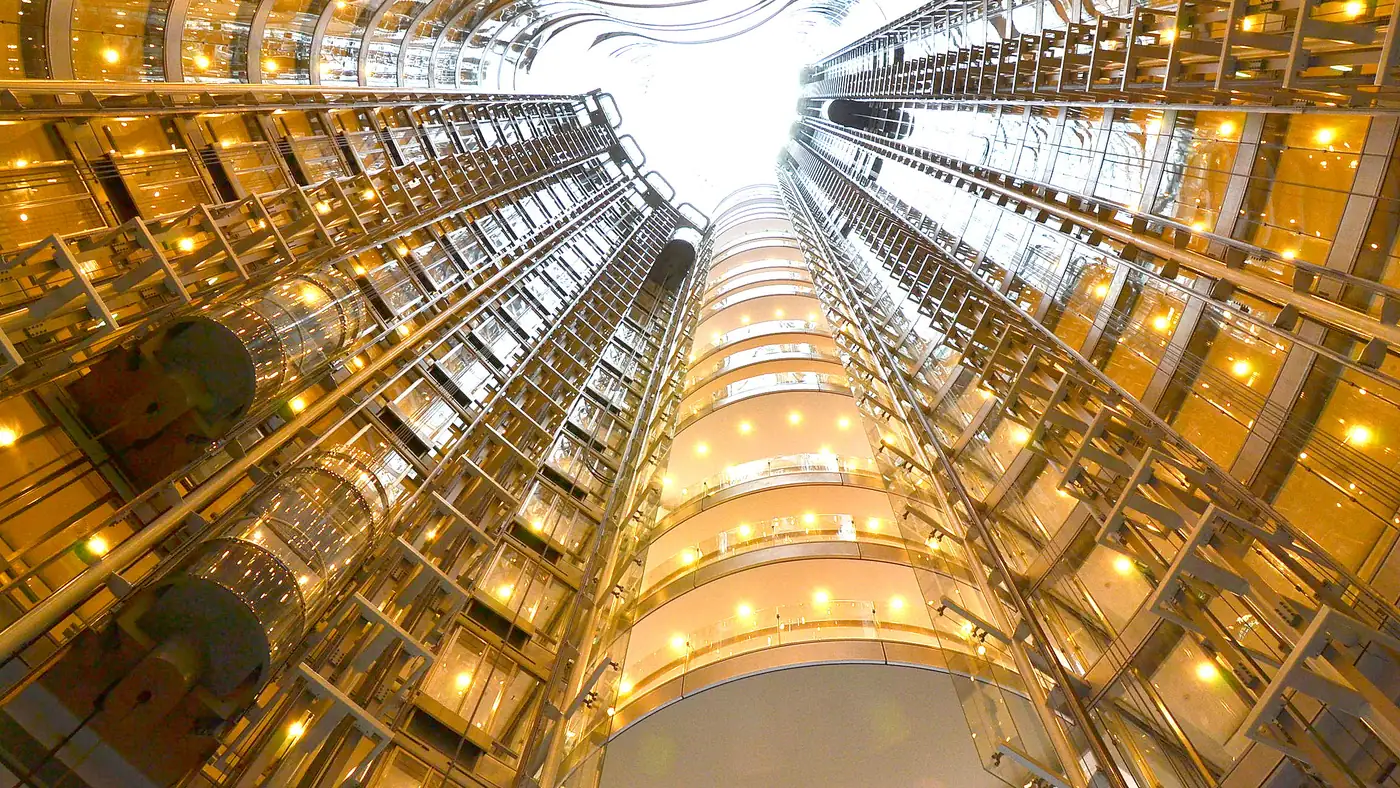
NSW rental vacancy rate dropped to 1.2% in September 2026, putting pressure on rents as supply stays tight across Greater Sydney and regional centres.