
Sydney Property: Housing Market Outlook: Sydney's housing mark
Sydney's housing market outlook for 2027 shows cautious optimism. After a period of adjustment to higher interest rates, the property market is showing.
6 min read

Sydney's residential auction market is showing signs of cooling. However, affordability constraints are now visibly impacting buyer behaviour.
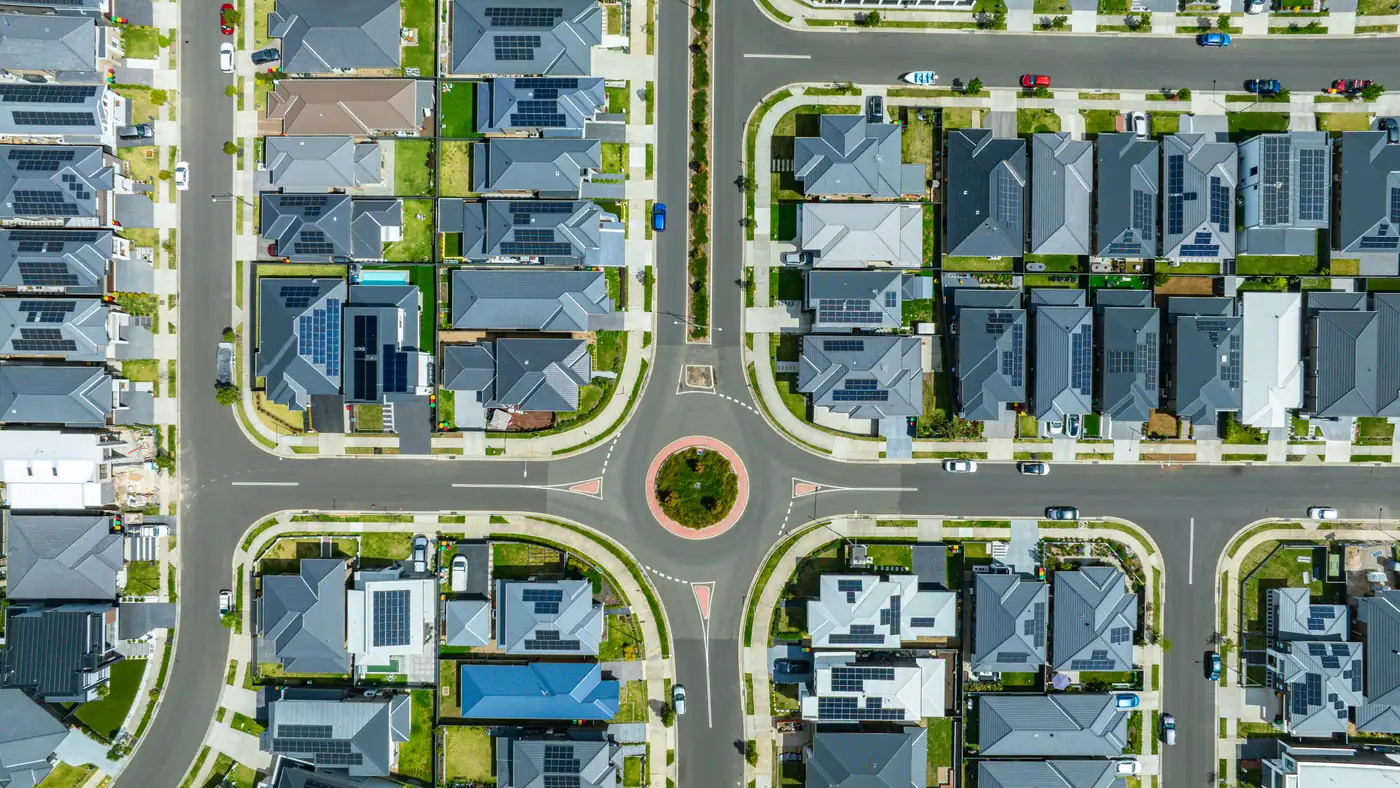
The Property Desk is a contributing writer covering property and public affairs for The Sydney Times.
Sydney's residential auction market is showing signs of cooling. Clearance rates have softened across most suburbs in recent weeks, with the median dwelling price holding near $1.1 million but failing to attract the same level of competitive bidding seen earlier in the year.
The latest auction data shows a decline in clearance rates across Sydney's eastern suburbs, inner west, and northern beaches. Properties that would have attracted multiple bidders earlier in 2026 are now receiving fewer offers, with some passing in at auction. The trend is most pronounced in the premium market, where properties above $2 million are experiencing the longest days on market.
The Australian Bureau of Statistics demographic data confirms that Sydney's population growth continues to drive housing demand, with the city absorbing nearly 100,000 new residents each year. However, affordability constraints are now visibly impacting buyer behaviour. Mortgage servicing costs have climbed steadily, and the proportion of household income devoted to housing has reached levels not seen since the early 2000s.
The softening is not uniform across the metropolitan area. Western Sydney suburbs near the upcoming airport precinct are still attracting strong interest, driven by infrastructure investment and the $5.5 billion road upgrade program. The Parramatta Light Rail expansion and the Sydney Metro City Southwest extension are supporting demand in the western corridor.
In contrast, the eastern suburbs and North Shore are experiencing the most significant decline in auction activity. The Valuer General NSW has published updated property valuations that reflect the divergence between inner-city apartments and suburban houses. Apartment values in the CBD and Surry Hills have remained relatively stable, while houses in the western and southwestern suburbs have seen modest corrections.
The Reserve Bank of Australia's rate decision on 29 September will be the next major catalyst for the property market. Financial markets are pricing a 25 basis point increase to 4.85 percent, which would add approximately $120 to monthly repayments on a $750,000 mortgage. A hike would likely further suppress auction activity, particularly in the outer suburbs where mortgage stress is highest.
The NSW Government is monitoring the situation through the Department of Customer Service, which tracks mortgage stress indicators across the state. The NSW Fair Trading tenancy guidelines provide the latest information on tenant and landlord rights. The Valuer General NSW publishes updated property valuations quarterly.
Read about Sydney property trends at the Property hub
Explore the housing crisis debate at the Opinion section
Discover suburb profiles at the Suburbs section
The NSW Fair Trading tenancy guidelines are available at NSW Fair Trading. The Valuer General NSW publishes property data at Valuer General NSW. The Australian Bureau of Statistics releases demographic and housing data at Australian Bureau of Statistics.
Direct inquiries, corrections, or documentation concerning this dispatch to our editorial newsroom desk.
Sydney's housing market outlook for 2027 shows cautious optimism. After a period of adjustment to higher interest rates, the property market is showing.

Sydney's commercial property market is showing signs of recovery. After a prolonged period of uncertainty, the city's office and retail sectors.

Sydney's rental market is showing signs of stabilisation as vacancy rates shift. The property market is adjusting to new supply levels and changing tenant.
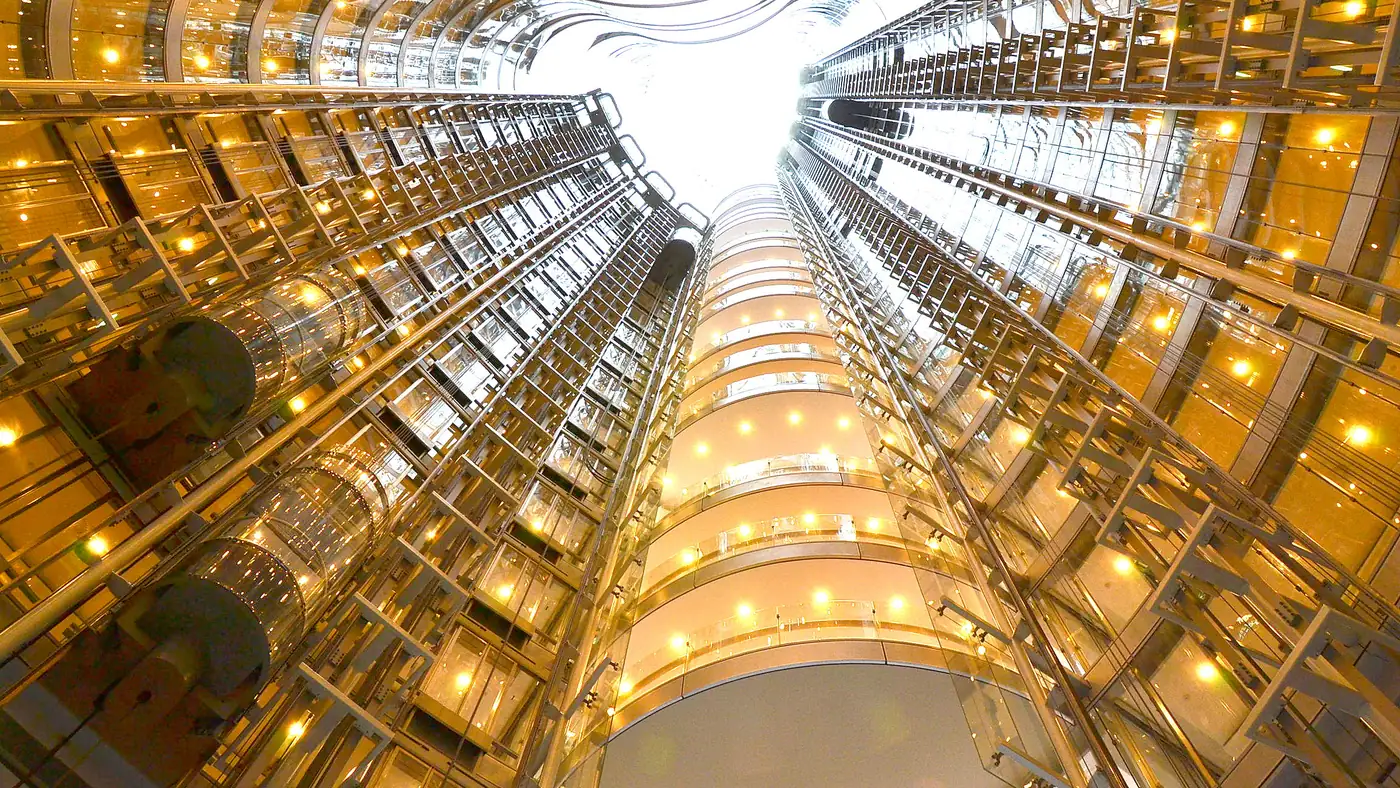
NSW rental vacancy rate dropped to 1.2% in September 2026, putting pressure on rents as supply stays tight across Greater Sydney and regional centres.