
Sydney Rental Market September 2026 — Vacancy Rates, Prices, and What to Expect
Sydney rental market September 2026, including vacancy rates, median rents, price trends, and what to expect for renters and investors across
8 min read

How to apply for a rental property in Sydney in 2026, including how to prepare your application, what to include, and tips to stand out in a

Property Desk is a contributing writer covering property and public affairs for The Sydney Times.
The Sydney rental market is competitive, with vacancy rates below 2 percent in many suburbs. When a property is listed for rent, real estate agents typically receive dozens of applications. The agent will review the applications and select the tenant they consider to be the most reliable and financially stable. To stand out, your application needs to be complete, accurate, and persuasive. The following guide explains how to prepare a strong rental application.
To apply for a rental property in Sydney, you will need the following documents:
Proof of income. Provide evidence of your income, such as recent payslips, an employment contract, or a letter from your employer. If you are self-employed, provide tax returns and bank statements. The agent will use your income to assess whether you can afford the rent.
Bank statements. Provide three months of bank statements. The agent will use your bank statements to assess your financial stability and your spending habits.
References. Provide references from previous landlords or real estate agents. If you have rented before, ask your previous landlord or agent for a written reference. If you have not rented before, provide a reference from your employer or a professional referee.
Identification. Provide a copy of your driver's licence or passport. The agent will use your identification to verify your identity and conduct a background check.
Rental history. Provide a rental history, including the addresses of previous rentals, the dates you lived there, and the name of the previous landlord or agent.
Before you apply, read the application form carefully and make sure you understand what the agent is asking for. Complete the form accurately and provide all the required documents. Do not leave any sections blank, and do not provide false information. If the agent discovers that you have provided false information, your application will be rejected and you may be blacklisted by the real estate agency.
Write a cover letter. A cover letter is a short document that introduces you to the agent and explains why you are a good tenant. The cover letter should include your name, your employment status, your income, and your rental history. The cover letter should also explain why you want to rent the property and what you like about it. The cover letter should be no more than one page.
Include a rental resume. A rental resume is a document that summarises your rental history, your employment history, and your references. The rental resume should include your name, your contact details, your employment status, your income, and your rental history. The rental resume should also include two references, including at least one from a previous landlord or agent.
Provide a bond. The bond is a security deposit that is held by the NSW Fair Trading bond scheme. The bond is typically four weeks' rent and is refunded to you at the end of the tenancy, provided there is no damage to the property and you have paid all rent. You will need to provide the bond before you sign the lease.
The rental market in Sydney is competitive, and you need to make your application stand out. The following tips can help:
Apply early. When a property is listed for rent, apply as soon as possible. The first applications received are usually given priority. If you wait until the inspection, you may be too late.
Be flexible. If you are willing to accept a longer lease or a higher rent, mention this in your application. Agents prefer tenants who are willing to commit to a longer lease.
Show that you are a low-risk tenant. Agents want tenants who will pay the rent on time and look after the property. Provide evidence of your financial stability, such as a high income or a large savings balance. Provide references from previous landlords or agents who can confirm that you are a good tenant.
Be honest. Do not exaggerate your income or your rental history. Agents will verify the information you provide, and if they discover that you have provided false information, your application will be rejected.
Follow up. After you submit your application, follow up with the agent to confirm that they have received it. A polite phone call or email can help your application stand out.
After you submit your application, the agent will review it and may contact you for an interview or to request additional information. The agent will also conduct a background check, which may include a credit check and a tenancy database check. The tenancy database is a national database that records tenancy disputes, such as unpaid rent or property damage.
If your application is successful, the agent will contact you to arrange a lease signing. The lease is a legally binding contract between you and the landlord. Before you sign the lease, read it carefully and make sure you understand your rights and responsibilities. If you have any questions, seek legal advice before you sign.
If your application is unsuccessful, the agent will usually notify you by email or phone. If you are not selected, ask the agent for feedback so that you can improve your next application.
Once you sign a lease, you have rights and responsibilities under the NSW Residential Tenancies Act. Your rights include the right to quiet enjoyment of the property, the right to have repairs carried out in a timely manner, and the right to privacy. Your responsibilities include paying the rent on time, keeping the property clean and tidy, and not causing damage to the property.
If you have a dispute with your landlord or agent, you can contact NSW Fair Trading for advice. NSW Fair Trading provides free advice on tenancy matters and can help you resolve disputes. If the dispute cannot be resolved, you can apply to the NSW Civil and Administrative Tribunal for a hearing.
More information about renting in Sydney is available at NSW Fair Trading and Tenants' Union of NSW.
(End of file)
Direct inquiries, corrections, or documentation concerning this dispatch to our editorial newsroom desk.
Sydney rental market September 2026, including vacancy rates, median rents, price trends, and what to expect for renters and investors across
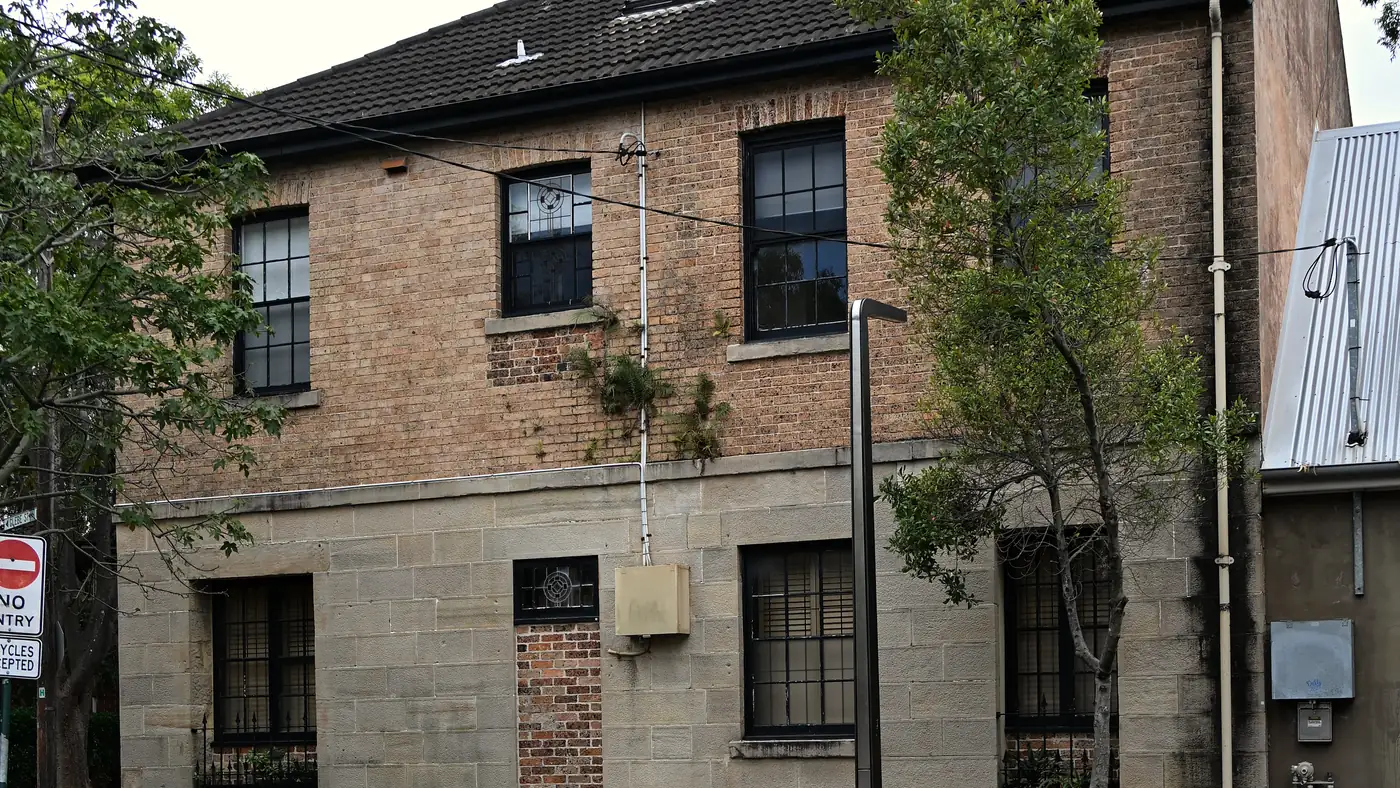
Glebe's Victorian workers' cottages, the iconic Glebe Markets, and its walkable proximity to the CBD make it one of Sydney's most characterful inner-city suburbs.
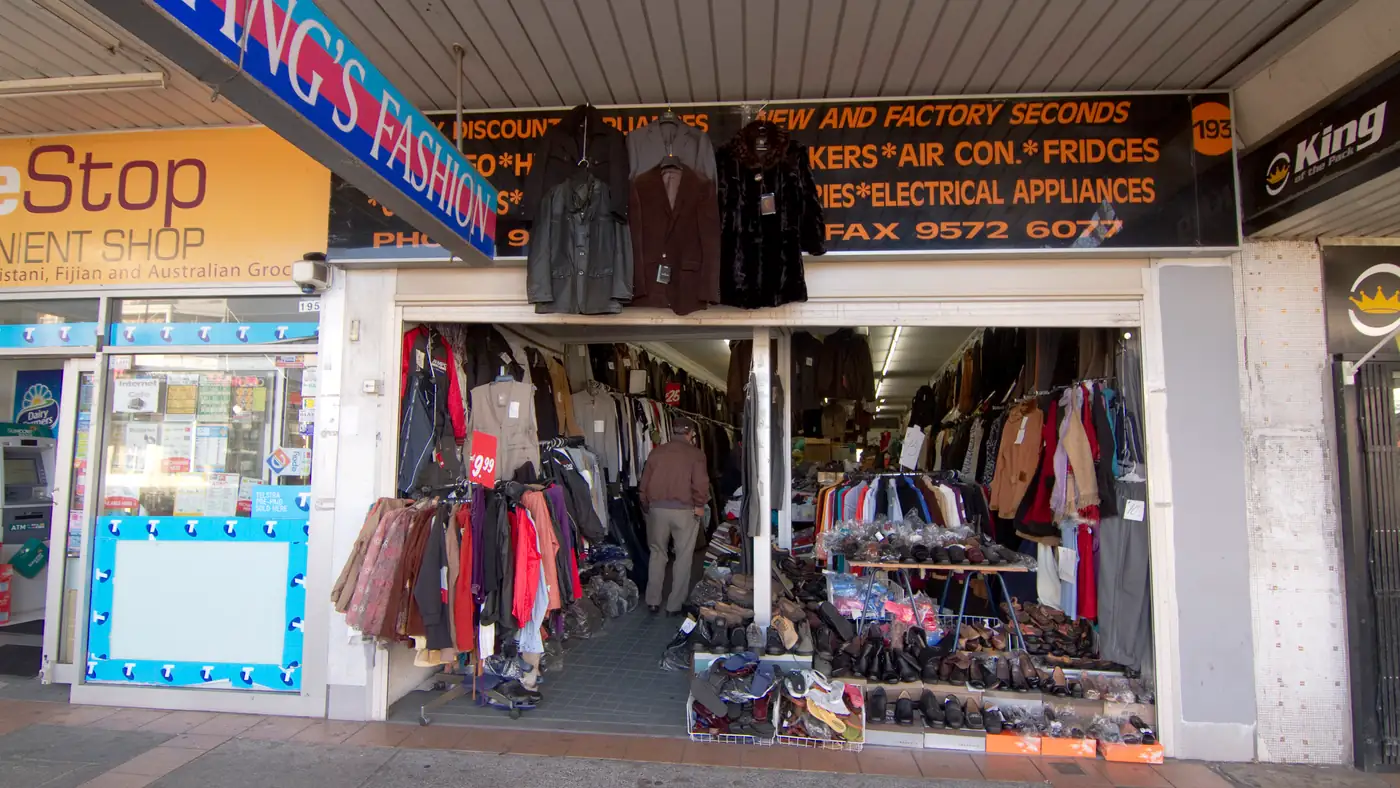
Marrickville has shed its industrial past to become a sought-after Inner West lifestyle precinct, with median house prices near $2.2 million.
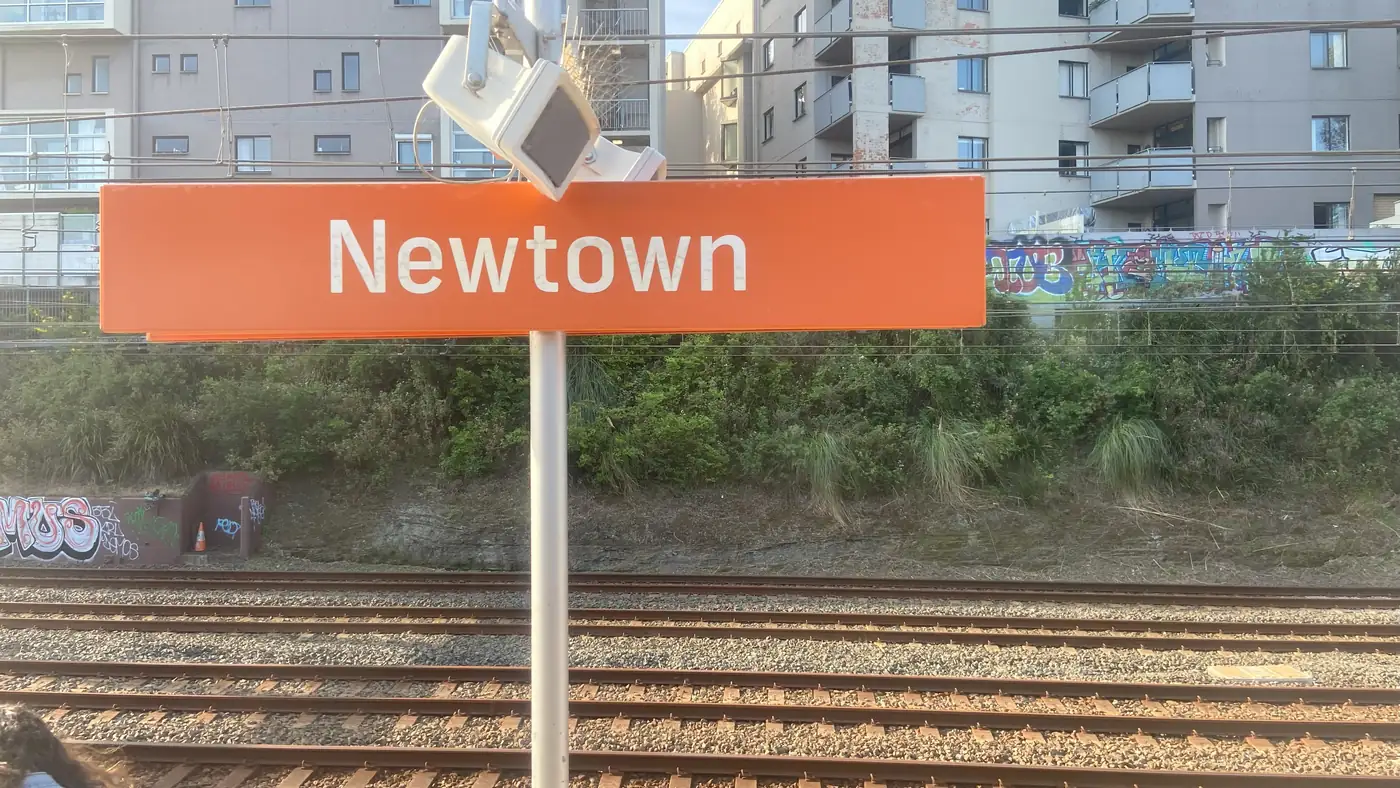
Newtown's Victorian terraces, cafe culture, and new Metro West connectivity are reshaping one of Sydney's most distinctive inner-west suburbs.