
Sovereign AI Compute Australia's Domestic GPU Shortage
Australia faces a critical shortage of domestic AI compute capacity as demand for GPU clusters outpaces the buildout of sovereign infrastructure.
8 min read

Australia is developing a regulatory framework for frontier AI models like GPT-5 and Claude 4, balancing innovation incentives against systemic risk.

The Tech Desk is a contributing writer covering tech and public affairs for The Sydney Times.
Australia is drafting a regulatory framework specifically targeting frontier AI models, marking a departure from the voluntary commitments that have governed the industry since 2024. The proposed legislation would impose mandatory safety assessments on models exceeding a defined capability threshold.
The draft bill, circulated for industry consultation in August, targets models trained with compute exceeding 10 to the power of 26 floating point operations. This threshold encompasses OpenAI's GPT-5 and Anthropic's Claude 4, both of which are expected to launch in the coming months. Companies deploying such models in Australia would be required to submit risk assessments to the Department of Industry, Science and Resources.
Research from Macquarie University's AI Safety Research Centre has been influential in shaping the proposed framework. The centre, backed by OpenAI funding, has developed a benchmark suite for evaluating frontier model capabilities in domains relevant to Australian interests including bushfire prediction, coastal erosion modelling, and healthcare diagnostics.
The research team argues that frontier models pose distinct risks that existing software liability frameworks cannot address. "These models exhibit emergent capabilities that were not explicitly programmed," said the centre's lead researcher. "Regulation must account for unpredictability at scale."
The Australian Tech Council has welcomed the regulatory clarity but warned against over-regulation. "Australia should lead on AI safety without driving innovation offshore," said the council's chief executive. Major AI companies including Google DeepMind and Anthropic have established Australian offices, signalling confidence in the domestic regulatory environment.
The proposed framework includes a tiered licensing system. Models below the frontier threshold would face lighter oversight, while systems approaching artificial general intelligence would require government approval before commercial deployment. The Macquarie University AI safety research centre publishes ongoing research on frontier model evaluation.
Direct inquiries, corrections, or documentation concerning this dispatch to our editorial newsroom desk.
Australia faces a critical shortage of domestic AI compute capacity as demand for GPU clusters outpaces the buildout of sovereign infrastructure.
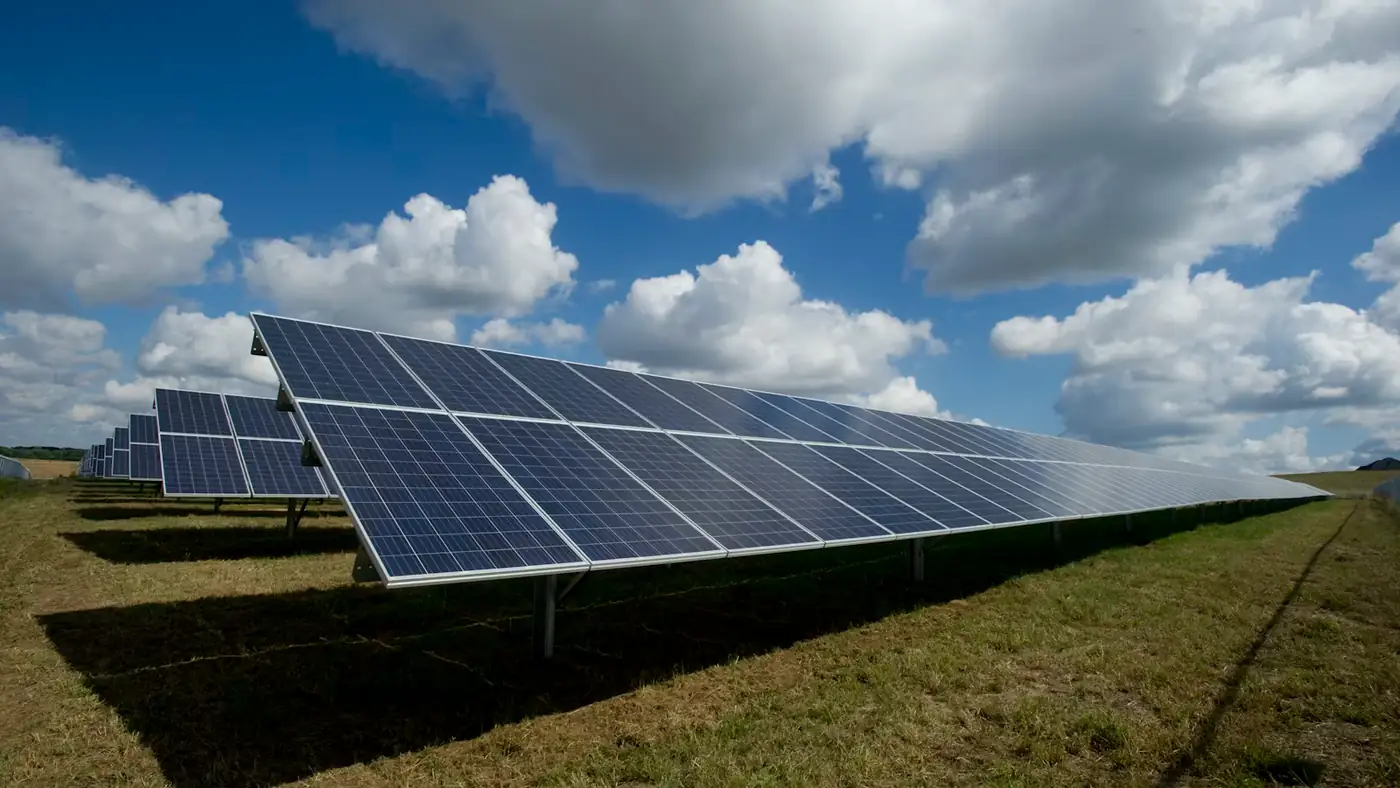
Australia's data localization laws are reshaping how AI models are trained and deployed, forcing companies to navigate complex data flow rules.
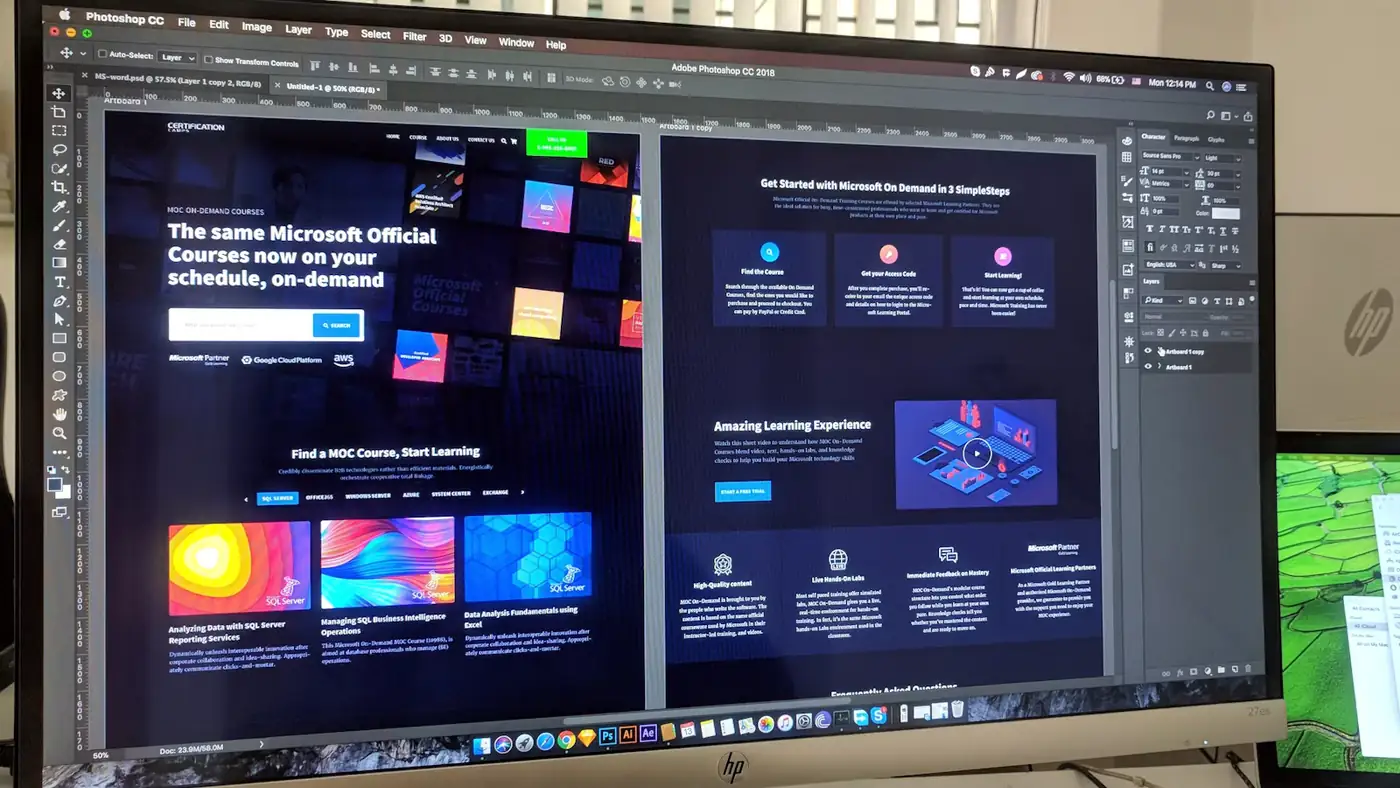
Australian technology startups have secured record venture capital funding in the third quarter, defying global investment headwinds this year.

An Australian quantum startup has demonstrated unprecedented qubit coherence times, bringing practical quantum computing closer to commercial reality.