Marrickville reinvents itself as Inner West lifestyle precinct
Marrickville has shed its industrial past to become a sought-after Inner West lifestyle precinct, with median house prices near $2.2 million.
7 min read

Glebe's Victorian workers' cottages, the iconic Glebe Markets, and its walkable proximity to the CBD make it one of Sydney's most characterful inner-city suburbs.
The Property Desk is a contributing writer covering property and public affairs for The Sydney Times.
Glebe has long occupied a distinctive position among Sydney's inner-city suburbs, offering something increasingly rare in the metropolitan core: genuine historical character within walking distance of the CBD. The suburb's Victorian-era workers' cottages, lining streets such as Glebe Point Road and Elger Street, stand as a living record of Sydney's industrial and working-class past. For buyers and renters priced out of neighbouring Darlinghurst and Paddington, Glebe presents a compelling alternative that combines heritage appeal with practical urban access. Explore more at Property & Suburbs.
The suburb's origins trace to the early colonial period, when the Church of England held extensive land grants in the area. By the late nineteenth century, Glebe had developed into a tightly knit community of tradespeople and labourers, and the housing stock reflects that era with remarkable fidelity. Terraced sandstone cottages, many dating to the 1870s and 1880s, line the narrow streets in rows that have changed little in appearance over more than a century. The Australian Bureau of Statistics records that the suburb's housing composition remains dominated by separate houses and medium-density terraces, with very little high-rise development to disrupt the streetscape. ABS census data confirms that the suburb's dwelling mix has remained remarkably stable over three decades, according to Australian Bureau of Statistics.
No profile of Glebe would be complete without acknowledging the Glebe Markets, held every Saturday on the lawns of the historic Glebe Town Hall. The markets have operated for decades and draw visitors from across the city. Stalls offer second-hand furniture, vintage clothing, fresh produce, and handmade goods, creating a retail environment that feels distinctly different from the polished shopping centres of suburban Sydney. The markets are a significant drawcard for the suburb and contribute to a sense of community that extends well beyond property transactions.
The proximity of Blackwattle Bay adds another dimension to Glebe's appeal. The waterfront reserve along the bay provides walking tracks, picnic areas, and views across the water toward Rozelle and the broader harbour. Residents use the foreshore for morning runs, weekend barbecues, and after-work strolls. The bay sits within the Inner City council area and forms part of a continuous green corridor that links Glebe to the wider Sydney parkland network.
Glebe's property market operates according to its own logic, shaped by heritage restrictions, limited new supply, and the enduring appeal of a location that sits barely three kilometres from Town Hall. The suburb's median house price reflects the premium that buyers place on character and proximity. According to data referenced by NSW Fair Trading, heritage-listed properties in the Inner City face specific renovation and development controls that constrain supply and, over time, support price growth. Buyers considering Glebe should understand that modifications to façades, rooflines, and structural elements may require council approval through the City of Sydney's heritage conservation processes, as outlined on the City of Sydney website.
The rental market in Glebe is equally active. The suburb's mix of terraces, cottages, and a smaller number of apartment blocks provides options for tenants at various price points. Rental yields tend to sit above the Greater Sydney average, reflecting the strong demand from professionals who value the walkable lifestyle. Public transport connectivity is solid, with buses along Parramatta Road and City Road linking the suburb directly to the CBD, and nearby stations on the Inner West line provide rail access to the city centre and beyond. For further details on property regulations, visit NSW Fair Trading.
Glebe's commercial heart centres on Glebe Point Road, a strip that has evolved considerably over the past two decades while retaining much of its original character. Independent cafés, bookshops, and restaurants occupy the ground floors of the heritage buildings, and the suburb supports a local economy that favours small-scale enterprise over chain retail. The presence of the nearby University of Sydney and the Royal Prince Alfred Hospital ensures a steady flow of students, medical professionals, and academics into the neighbourhood.
For families, the suburb offers a small number of well-regarded schools, and the nearby parks provide space for children to play. The combination of heritage housing, community institutions, and a walkable village centre gives Glebe a quality of life that is difficult to replicate in newer suburbs where the infrastructure is still catching up to population growth. The suburb's position within the broader Inner City network ensures that residents enjoy both the intimacy of a village and the convenience of a major metropolitan centre.
Prospective purchasers need to account for the realities of buying in a heritage-conservation area. Renovation costs can exceed those in non-heritage suburbs, and the NSW Fair Trading guidelines on heritage property disclosures require vendors to inform buyers of any restrictions that apply to the title. The City of Sydney's planning controls mean that demolition or substantial alteration of a heritage-listed dwelling is not straightforward. Buyers should engage a conveyancer familiar with heritage properties early in the process.
Glebe is not a suburb that offers quick turnover or speculative gains. It rewards those who value permanence and character. The suburb's position within the Inner City, its connection to the CBD via reliable transport links, and the enduring appeal of its Victorian cottages ensure that demand remains steady across market cycles. For buyers seeking a property with genuine history and a location that works for daily life, Glebe delivers on both fronts.
The suburb continues to attract a diverse mix of residents, from young professionals drawn by the café culture and waterfront access to families and downsizers who appreciate the community spirit that the Glebe Markets and the local streets have fostered over generations. As Sydney's housing affordability pressures push buyers further from the centre, Glebe's position as an accessible, character-rich Inner City suburb only grows in significance.
Direct inquiries, corrections, or documentation concerning this dispatch to our editorial newsroom desk.
Marrickville has shed its industrial past to become a sought-after Inner West lifestyle precinct, with median house prices near $2.2 million.
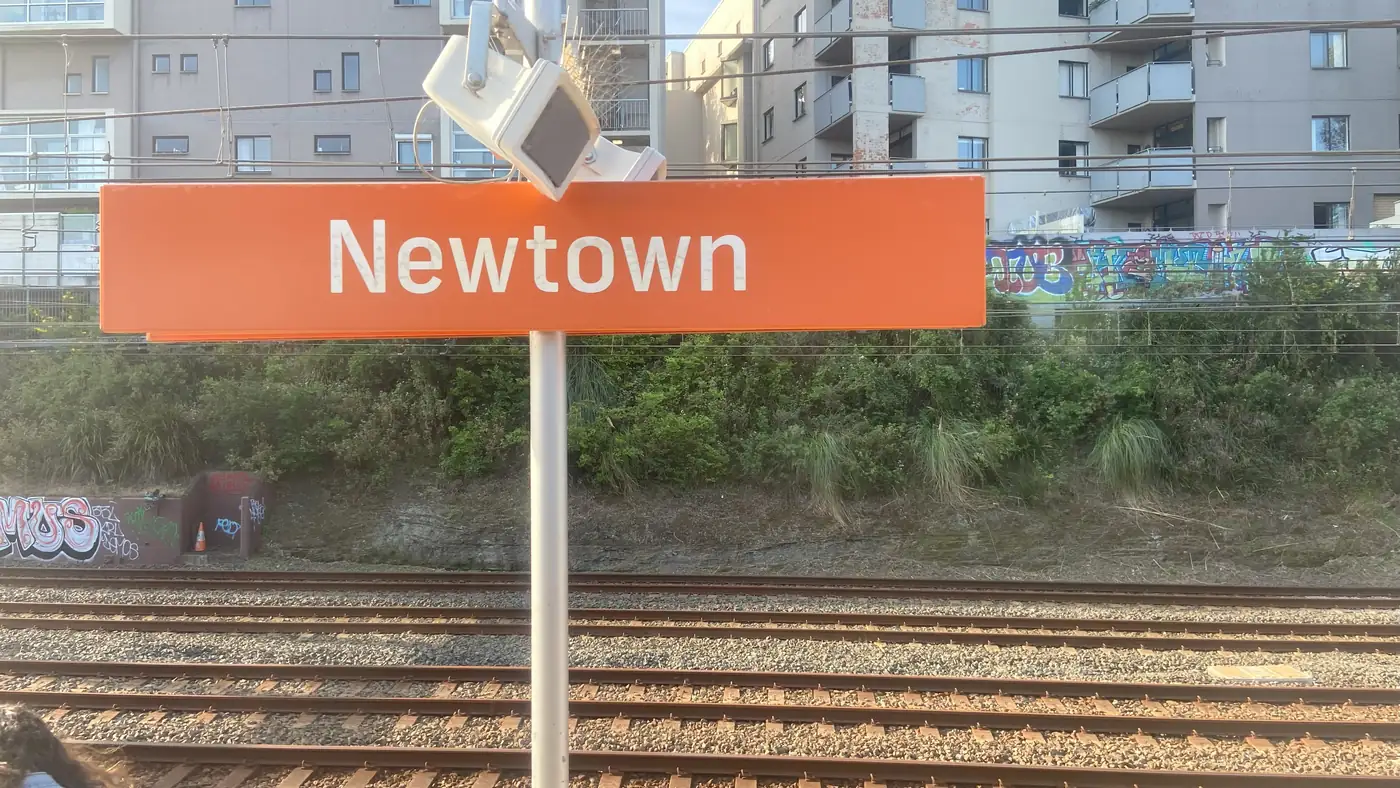
Newtown's Victorian terraces, cafe culture, and new Metro West connectivity are reshaping one of Sydney's most distinctive inner-west suburbs.

Build-to-rent is transforming Sydney's housing supply pipeline, with 7,600 units under construction and 18,200 proposed as institutional capital moves...

NSW has banned no-grounds evictions, capped rent increases, and introduced Smart Rental Bonds in the most significant rental law reforms in a generation.