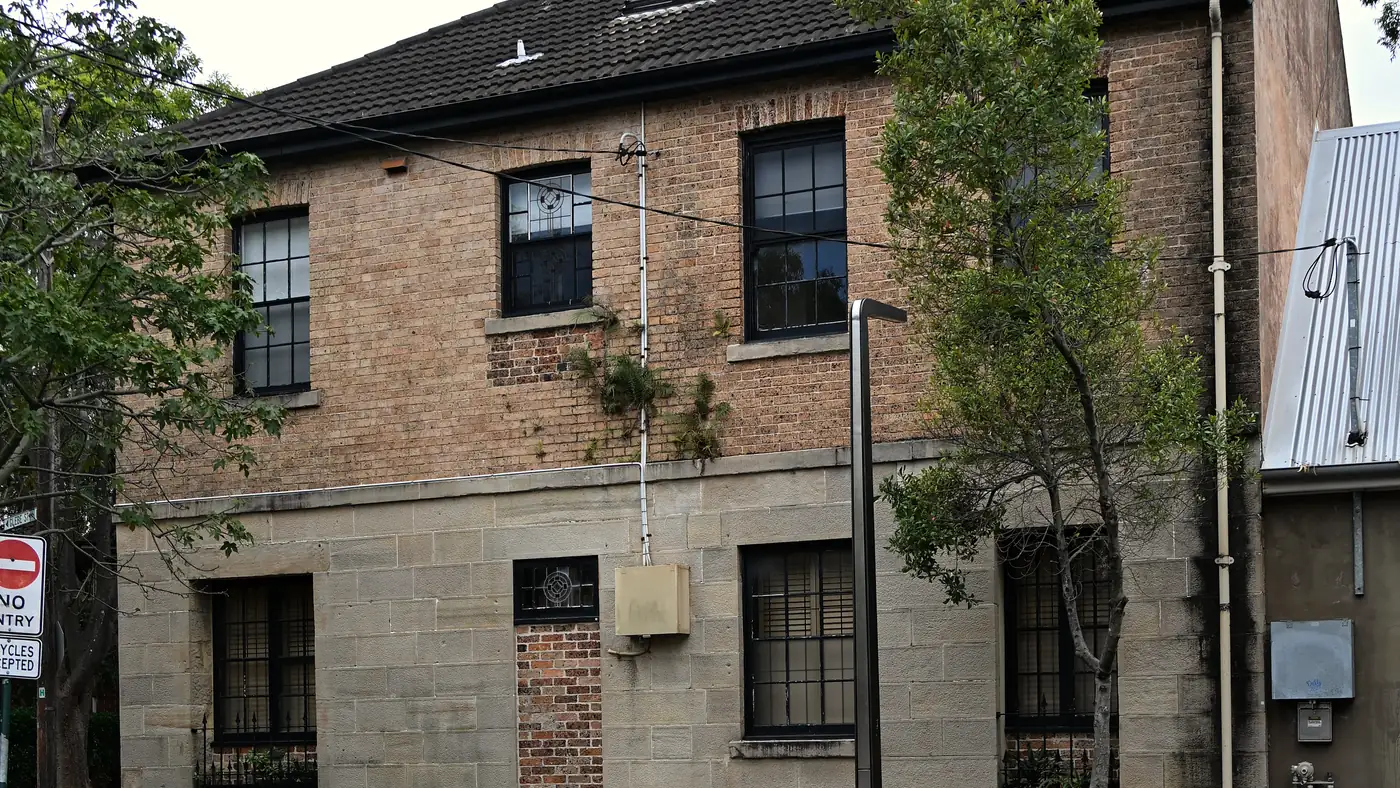
Glebe: The historic inner-city suburb where workers' cottages meet the CBD
Glebe's Victorian workers' cottages, the iconic Glebe Markets, and its walkable proximity to the CBD make it one of Sydney's most characterful inner-city suburbs.
8 min read

Marrickville has shed its industrial past to become a sought-after Inner West lifestyle precinct, with median house prices near $2.2 million.
The Sydney Times Desk is a contributing writer covering property and public affairs for The Sydney Times.
Marrickville has shed its industrial past to become one of Sydney's most sought-after lifestyle precincts, and the transformation is accelerating as median house prices approach $2.2 million. The suburb, once defined by warehouses and light manufacturing along the Cooks River, now draws young professionals and families drawn by a dense concentration of cafés, bars, and the impending arrival of the Marrickville Metro shopping centre.
The shift from industrial zone to lifestyle destination has unfolded over the past decade. Former factory floors have become specialty coffee roasters, and disused rail sidings have given way to the GreenWay cycling corridor. The Inner West Light Rail, extended through the suburb in 2014, was the first major catalyst, but the Sydney Metro City and Southwest line, opening in the second half of 2026, will compress the Marrickville to Central trip to roughly 10 minutes and deepen the suburb's appeal to commuters.
According to the Valuer General NSW, Marrickville's median house price sits at approximately $2.2 million as of mid-2026, reflecting steady capital growth of around 6.2 percent annually over the past five years. The median unit price is approximately $1 million, with the gap between houses and units widening as new apartment supply enters the rezoned precincts.
The Australian Bureau of Statistics data shows the suburb's median age at 34 years, well below the Greater Sydney average, with a high concentration of creative professionals, hospitality workers, and young families. This demographic profile underpins sustained demand. Two-bedroom units near the Light Rail corridor typically rent for $550 to $620 per week, while renovated three-bedroom houses command $680 to $750 weekly. Gross rental yields range from 5.2 to 5.8 percent, positioning Marrickville as a balanced growth-and-income suburb rather than a pure cash-flow play.
The café and bar culture is the primary engine of Marrickville's desirability. The suburb hosts more than 40 cafés and bars within a single kilometre of the shopping strip along Marrickville Road, a density unmatched in the Inner West. Venues like Single O, the Marrickville Hotel, and a growing roster of natural wine bars and cocktail lounges have established the suburb as a dining destination in its own right.
This hospitality density has directly influenced property values. Homes within walking distance of the café strip command premiums of 8 to 12 percent above the suburb median, according to CoreLogic data. The NSW Government's planning framework, administered through Inner West Council, has facilitated this growth by permitting mixed-use development along the main commercial spine while protecting heritage conservation areas on surrounding streets.
The Marrickville Metro shopping centre redevelopment represents the suburb's most significant commercial transformation. The existing centre, anchored by a Coles supermarket and a cluster of specialty retailers, is being expanded to include additional ground-floor retail, upgraded dining precincts, and improved pedestrian connectivity to the Metro station. The redevelopment, approved by Inner West Council in 2025, will add approximately 3,000 square metres of new retail and dining space.
The shopping centre upgrade is timed to coincide with the Metro opening, creating an integrated transport and retail hub. According to the NSW Fair Trading property market report, suburbs with integrated transport and retail infrastructure have recorded stronger price growth than those without. The Marrickville Metro project is expected to draw foot traffic from surrounding suburbs including Dulwich Hill, Hurlstone Park, and Erskineville.
The Victoria Road Precinct rezoning, adopted by Inner West Council in December 2023, permits increased density along the main commercial corridor. Height controls of around six storeys apply across most rezoned areas near Marrickville Road, stepping up to nine or ten storeys near the GreenWay corridor. A standalone tower originally proposed at 15 storeys on a key site at the corner of Woodbury Street has been recommended for reduction to 12 storeys following community feedback.
The rezoning also includes affordable housing provisions. Council is pursuing several hundred affordable units on sites including Garners Avenue, aimed at ensuring some of the uplift benefits a broader cross section of residents. The NSW Government's planning framework requires a percentage of affordable housing in certain rezonings, and the Marrickville plan includes provisions for voluntary contributions to deliver affordable units in partnership with community housing providers.
For buyers, the practical reality is that Marrickville's character is changing more visibly than neighbouring suburbs. Houses on protected streets close to but outside the upzoned footprint are best placed to hold value, because that stock cannot be replicated. Blocks inside the upzoned footprint carry development potential rather than lifestyle value, and will trade differently as new apartment supply comes online over the next decade.
The latest data from the Valuer General NSW and the Australian Bureau of Statistics is available at Valuer General NSW and Australian Bureau of Statistics. Inner West Council's planning strategy is published at Inner West Council.
Explore more Sydney suburb profiles at the Property & Suburbs hub
Read about Sydney transport and infrastructure at The City hub
Direct inquiries, corrections, or documentation concerning this dispatch to our editorial newsroom desk.
Glebe's Victorian workers' cottages, the iconic Glebe Markets, and its walkable proximity to the CBD make it one of Sydney's most characterful inner-city suburbs.
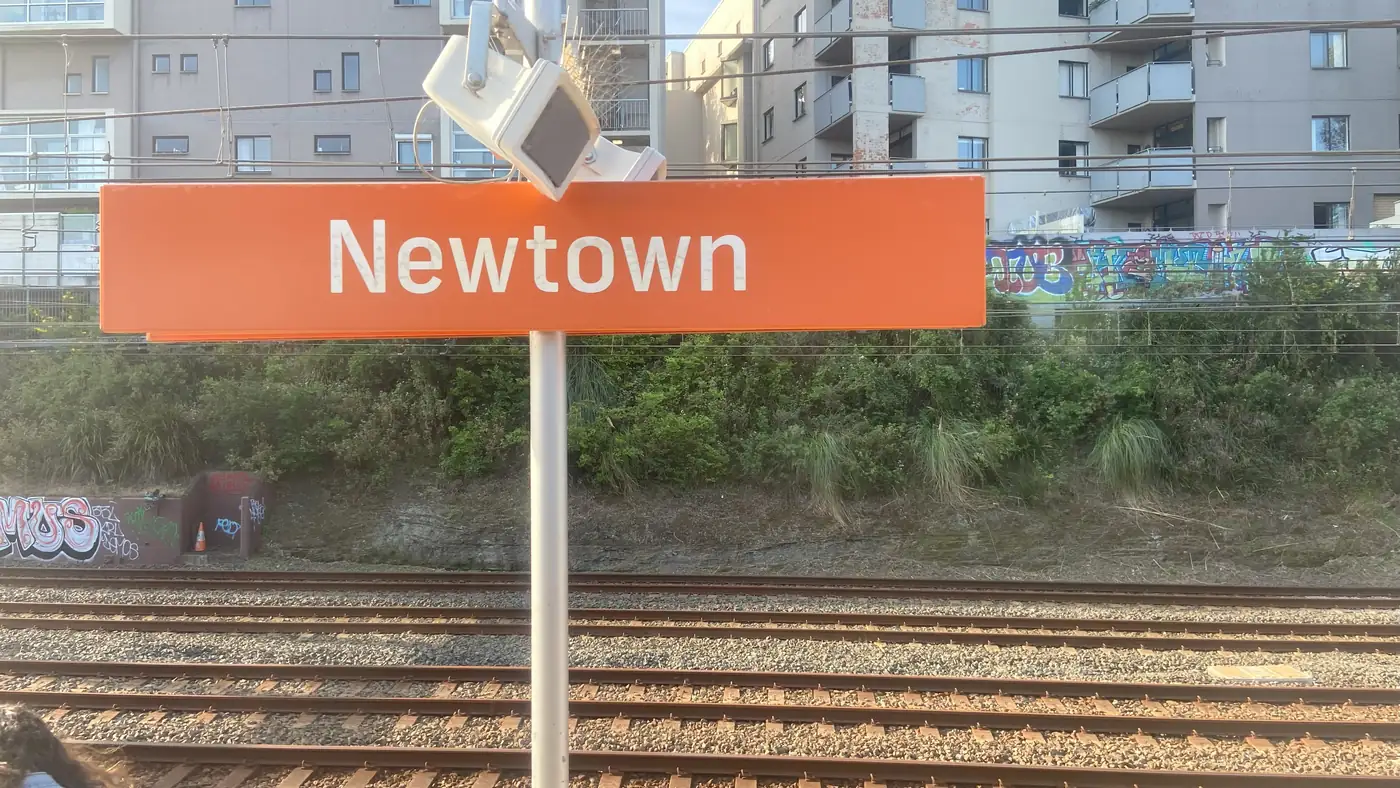
Newtown's Victorian terraces, cafe culture, and new Metro West connectivity are reshaping one of Sydney's most distinctive inner-west suburbs.

Build-to-rent is transforming Sydney's housing supply pipeline, with 7,600 units under construction and 18,200 proposed as institutional capital moves...

NSW has banned no-grounds evictions, capped rent increases, and introduced Smart Rental Bonds in the most significant rental law reforms in a generation.