Glebe: The historic inner-city suburb where workers' cottages meet the CBD
Glebe's Victorian workers' cottages, the iconic Glebe Markets, and its walkable proximity to the CBD make it one of Sydney's most characterful inner-city suburbs.
8 min read

Newtown's Victorian terraces, cafe culture, and new Metro West connectivity are reshaping one of Sydney's most distinctive inner-west suburbs.
The Property Desk is a contributing writer covering property and public affairs for The Sydney Times.
Newtown has long been the inner-west suburb that refused to conform to Sydney's property conventions. Its heritage-listed Victorian terraces line King Street in tight, irregular rows, its cafe culture operates on a different clock to the eastern suburbs, and its railway station sits at the epicentre of the Sydney Metro West line, which will connect the suburb to the CBD in minutes rather than the decades-long commute that defined its past. For buyers and investors tracking the search query "newtown north or south or metro nsw," the suburb offers a rare combination of heritage character, transport transformation, and genuine community identity that is difficult to replicate elsewhere in metropolitan Sydney.
The suburb sits approximately 4 kilometres southwest of the CBD, straddling the boundary between the Inner West and the broader western corridor. Its position on the Main Suburban line has made it a transport node for over 160 years, and the arrival of Sydney Metro West will compress the Newtown to Central journey to roughly seven minutes. That figure, confirmed by Transport for NSW project documentation, represents a fundamental shift in how the suburb connects to employment hubs, hospitals, and education precincts across the city.
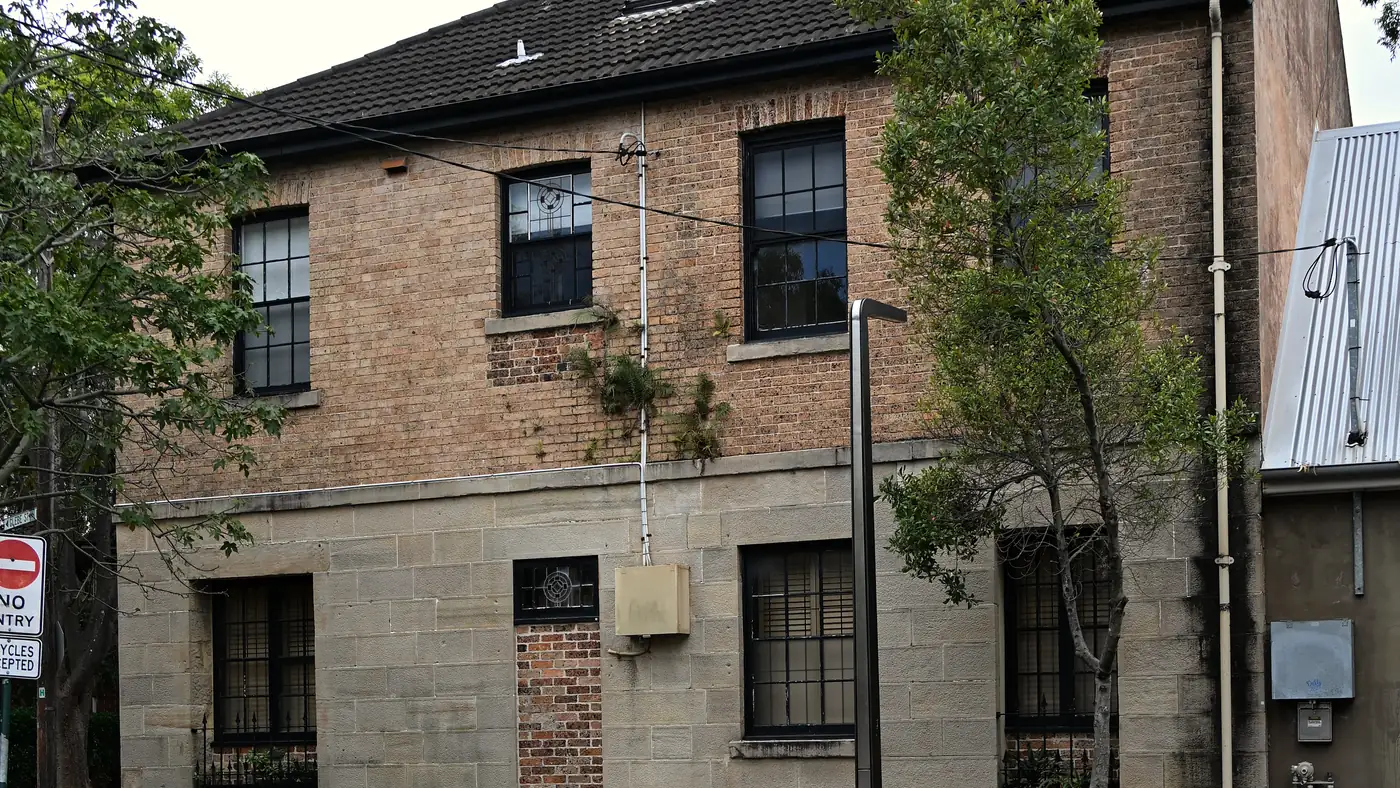
Newtown's housing landscape is dominated by Victorian-era terraces, many of which are heritage-listed and sit within conservation areas that restrict demolition and external alteration. The suburb contains one of the highest concentrations of intact Victorian housing in Sydney, with rows of rendered brick terraces featuring decorative iron lacework, slate roofs, and narrow front gardens. These properties, typically two or three bedrooms, trade at premiums that reflect both their scarcity and their proximity to the Metro station.
The Australian Bureau of Statistics Census data indicates that Newtown's dwelling mix skews heavily toward medium-density housing, with separate houses and flats each representing significant portions of the stock. The suburb's median dwelling value sits above the Greater Sydney median, driven by the premium that heritage-listed terraces command. Properties on streets such as Erskineville Road, Wilson Street, and the vicinity of Newtown Station consistently attract strong interest from owner-occupiers who value the suburb's walkability and its connection to the Inner West's broader cultural fabric.
Adjacent suburbs including Enmore and Stanmore share similar architectural DNA, though Newtown's larger commercial strip along King Street gives it a distinct identity. The interplay between residential terraces and the commercial precinct creates a mixed-use environment that is increasingly rare in inner Sydney.
Sydney Metro West is the single most significant infrastructure project affecting Newtown's property outlook. The line, which runs from Westmead through the CBD and continues toward the Bankstown area, will place Newtown Station among the busiest stops on the network. The station already serves over 5,800 passengers daily on the existing T2 and T3 lines, and the Metro upgrade will increase capacity, reduce journey times, and introduce higher-frequency services.
Transport for NSW has confirmed that the Metro West line will operate with trains every four minutes at peak, matching the frequency of the existing Sydney Metro Northwest service. For Newtown, this means the effective distance to the CBD compresses from a 4-kilometre drive through congested streets to a sub-10-minute rail journey. The NSW Government's infrastructure pipeline also includes station upgrades at Newtown, including improved accessibility, platform screen doors, and integrated transport interchange facilities.
The connectivity improvement extends beyond the CBD. A Newtown to Parramatta trip will take approximately 12 minutes, and connections to Macquarie University and the north shore become viable for the first time without requiring a change at Central. This broadens the buyer pool considerably, attracting professionals who previously would have looked to the eastern suburbs or the North Shore for comparable commute times.
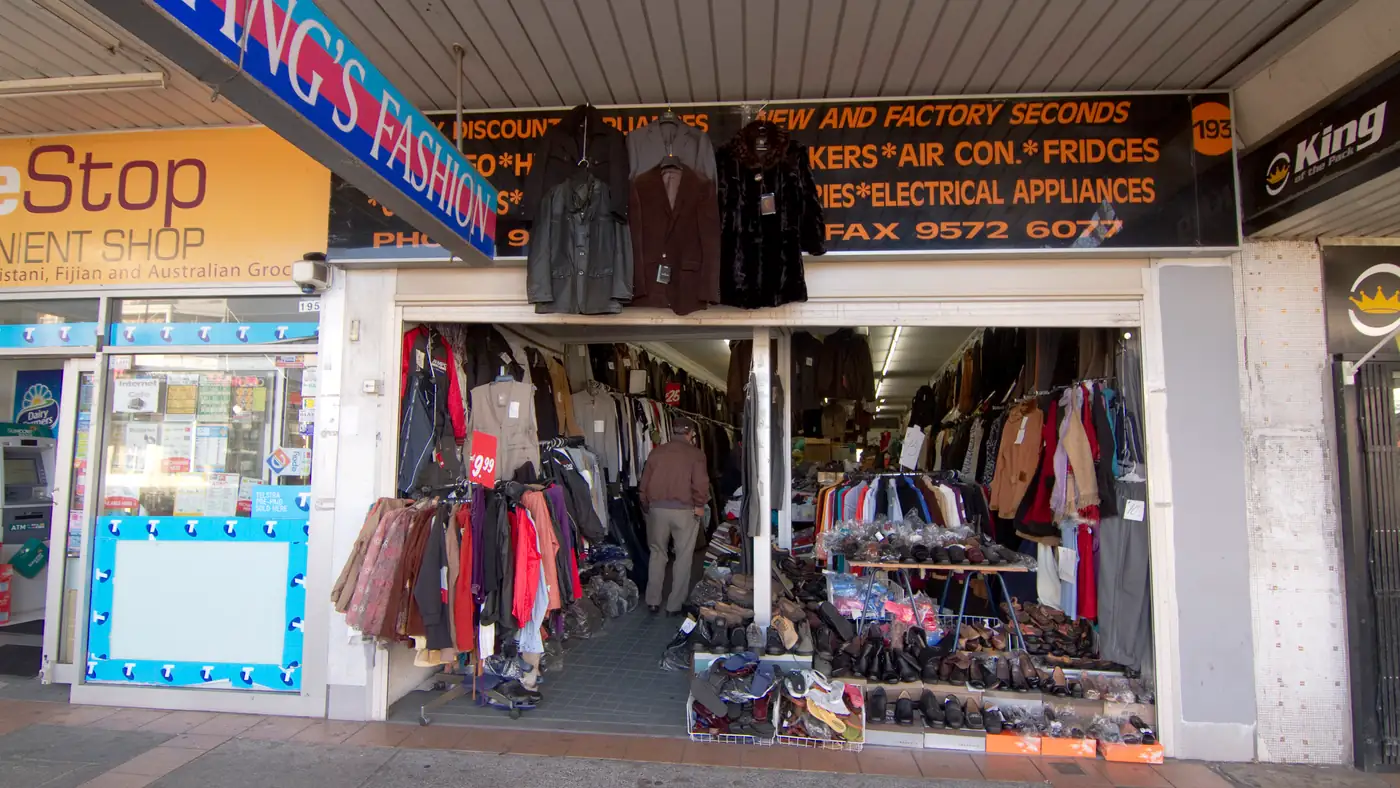
Newtown's commercial heart beats along King Street, a strip that has evolved from a modest retail corridor into one of Sydney's most distinctive dining and shopping destinations. The suburb's cafe culture operates on principles that differ from the curated hospitality scenes of Surry Hills or Balmain. Here, the emphasis is on accessibility and variety rather than exclusivity, with long-standing Greek and Lebanese bakeries sitting alongside modern specialty coffee roasters and Vietnamese pho houses.
The NSW Government's planning framework supports this mixed-use character. Newtown's local environment plan, administered by the Inner West Council, maintains the suburb's commercial zoning along King Street while protecting the residential character of the surrounding streets. The result is a precinct where a resident can walk to a café, a pharmacy, a takeaway, and a petrol station within a single block, a level of convenience that commands a premium in property valuations.
The suburb's demographic profile reinforces this commercial ecosystem. The Australian Bureau of Statistics data shows a median age of 33 years, with a high proportion of renters and young professionals. This population sustains the demand for walkable, amenity-rich living, and the proximity to the Metro station amplifies the attractiveness of addresses within walking distance of King Street.
Newtown's property market has delivered consistent capital growth over the past five years, with median house prices tracking above the Inner West average. The suburb's position on the Metro West corridor has attracted investor attention, particularly from buyers seeking exposure to infrastructure-led growth. According to data published by the Australian Bureau of Statistics and available through the NSW Fair Trading property transaction database, the suburb's turnover rate remains healthy, with properties spending less time on market than the Sydney average.
The rental market in Newtown is tight, with vacancy rates consistently below the Greater Sydney average. Two-bedroom terraces near the station command weekly rents that reflect the suburb's transport advantages and heritage appeal. Investors should note that heritage restrictions can limit renovation scope, and the Inner West Council's development controls apply to properties within conservation areas. NSW Fair Trading provides guidance on landlord and tenant obligations specific to heritage-listed properties, and buyers should familiarise themselves with these requirements before purchasing.
For owner-occupiers, the practical consideration is that Newtown's stock is finite. The suburb cannot expand its housing supply significantly due to its established character and heritage protections. This scarcity underpins long-term value, and the Metro West connection adds a new dimension to an already compelling proposition.
Newtown enters 2026 with a clarity of purpose that few inner suburbs can match. The Metro West line will redefine its relationship with the CBD, the heritage terraces will continue to anchor its character, and the King Street precinct will remain the commercial and social hub that gives the suburb its identity. For those searching for a suburb that combines transport convenience, architectural heritage, and genuine community life, Newtown stands apart.
Further details on Sydney Metro West station upgrades and construction timelines are available at Transport for NSW. Property transaction data and market insights can be found at CoreLogic and Domain. The Australian Bureau of Statistics Census data for Newtown is published at Australian Bureau of Statistics.
Explore more Sydney suburb profiles at the Property & Suburbs hub
Read about Sydney transport and infrastructure at The City hub
Direct inquiries, corrections, or documentation concerning this dispatch to our editorial newsroom desk.
Glebe's Victorian workers' cottages, the iconic Glebe Markets, and its walkable proximity to the CBD make it one of Sydney's most characterful inner-city suburbs.
Marrickville has shed its industrial past to become a sought-after Inner West lifestyle precinct, with median house prices near $2.2 million.

Build-to-rent is transforming Sydney's housing supply pipeline, with 7,600 units under construction and 18,200 proposed as institutional capital moves...

NSW has banned no-grounds evictions, capped rent increases, and introduced Smart Rental Bonds in the most significant rental law reforms in a generation.