
Sydney Guides: Sydney for Students: The NSW Government provide
A comprehensive guide to Sydney for students, including universities, accommodation, and costs. Sydney is home to some of Australia's most prestigious.
7 min read

Ausgrid, covering Sydney and the Central Coast, will see a 3.4 percent reduction, with savings of up to $66 per year on a $1,899 annual bill.

Finance Desk is a contributing writer covering guides and public affairs for The Sydney Times.
NSW households are seeing electricity bills fall for the first time in years, with the Australian Energy Regulator confirming that the Default Market Offer will drop between 3.4 and 5 percent from 1 July 2026 as more renewable generation and storage enters the grid.
The Australian Energy Regulator's final DMO 8 determination for 2026-27 shows that residential flat-rate electricity prices in NSW will drop across all three distribution zones. Ausgrid, covering Sydney and the Central Coast, will see a 3.4 percent reduction, with savings of up to $66 per year on a $1,899 annual bill. Endeavour Energy, covering Southwest Sydney, the Blue Mountains and the Illawarra, will see a 3.4 percent reduction, with savings of up to $83 per year on a $2,328 annual bill. Essential Energy, covering regional NSW, will see the largest reduction at 5 percent, with savings of up to $137 per year on a $2,604 annual bill.
Time-of-use customers benefit even more. The Essential Energy zone stands out with a 7.7 percent reduction, saving households up to $211 per year, the largest residential saving of any NSW zone and tariff type. These larger reductions reflect the growing impact of rooftop solar driving down daytime wholesale costs, which benefits time-of-use tariff structures more than flat-rate tariffs.
NSW small businesses see significantly larger reductions than residential customers across all three zones. On time-of-use tariffs, the Essential Energy zone stands out with a 20.9 percent reduction, saving small businesses up to $1,303 per year. Even on flat-rate tariffs, Essential drops 11.3 percent.
The DMO 8 determination reflects the first DMO under the AER's reformed framework, which places greater emphasis on forward-looking wholesale costs rather than historical pass-throughs of elevated prices. The key driver of lower wholesale costs is the surge in renewable generation and battery storage across the National Electricity Market.
Rooftop solar penetration has reached levels where it frequently drives wholesale prices to zero or below during midday hours. Battery storage is now soaking up excess solar generation and releasing it during the evening peak, displacing expensive gas-fired generation. The combination of these factors has compressed the wholesale component of electricity bills, which typically represents 40 to 50 percent of the total.
NSW has increased utility-scale wind and solar capacity by 80 percent in the last three years, according to the NSW Government. The Minns Labor Government has launched Tender 8, the largest renewable generation tender in NSW history, seeking 2.5 gigawatts of new wind and solar capacity, with a special emphasis on wind and solar-battery hybrids. The tender is expected to bring enough new energy to power about one-third of homes in NSW and take the state to 90 percent of its targeted 12 gigawatts of new renewable capacity by 2030.
The DMO is the maximum a retailer can charge on a standing offer, not the best deal available. With multiple retailers competing in NSW, the cheapest market offers are up to 20 percent below the DMO reference price. In the Ausgrid zone, for example, the best market offers could bring annual costs down to around $1,520 to $1,710, well below the $1,899 DMO.
From 1 July 2026, NSW households with a smart meter can opt into the Solar Sharer Offer, a new plan introduced as part of the DMO 8 determination. It provides free electricity from 11am to 2pm daily, reflecting the structural shift in Australia's wholesale electricity market caused by rooftop solar penetration. You do not need solar panels to access the offer; renters are eligible, provided they have a smart meter installed. The offer includes a daily free usage cap of 24 kWh, which is well above the midday consumption of most households.
According to the EnergyPlans NSW analysis, both the Ausgrid and Endeavour zones see a 3.4 percent flat-rate reduction, while Essential Energy sees the largest flat-rate cut at 5 percent. The similarity between Ausgrid and Endeavour reflects proportional wholesale cost decreases across both zones, though their dollar amounts differ due to different reference prices. For more guides on NSW finance and civic systems, see Field Guides.
Direct inquiries, corrections, or documentation concerning this dispatch to our editorial newsroom desk.
A comprehensive guide to Sydney for students, including universities, accommodation, and costs. Sydney is home to some of Australia's most prestigious.

A comprehensive guide to Sydney for families, including schools, parks, and activities. The city offers an exceptional range of family-friendly destinations.

A comprehensive guide to moving to Sydney, including neighbourhoods, transport, and costs. The guide covers everything you need to know about relocating.
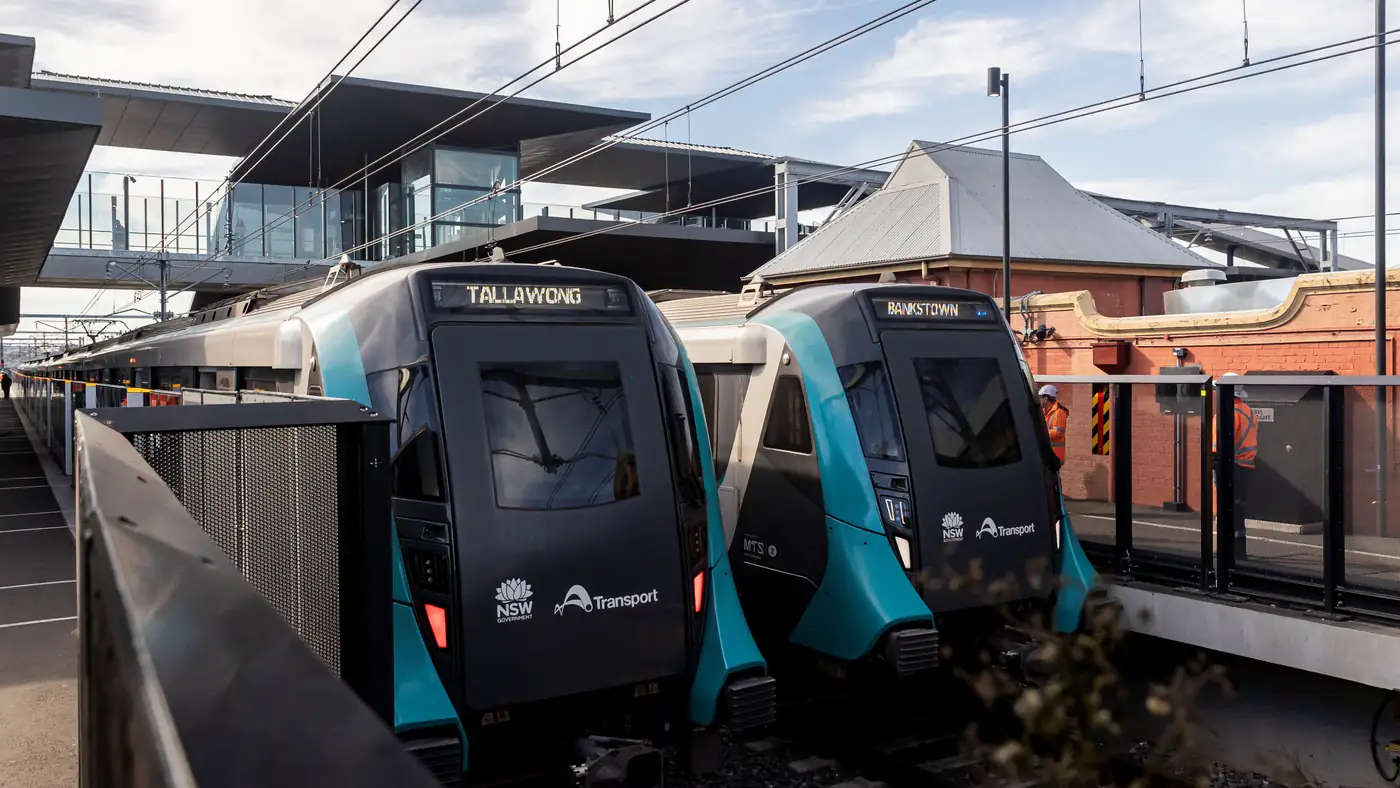
Complete guide to Sydney's Metro Southwest Bankstown line: timetable, fares, stations, Opal fares, parking, and commuter tips for the new line.