
Sydney Opinion: Future of Sydney
An independent column on the future of Sydney and what lies ahead. The column provides critical perspectives on Greater Sydney and Australian life,
5 min read

Office conversions are genuinely useful and widely oversold. They will deliver thousands of homes and change the arithmetic of supply almost not at all
The Opinion Desk is a contributing writer covering opinion and public affairs for The Sydney Times.
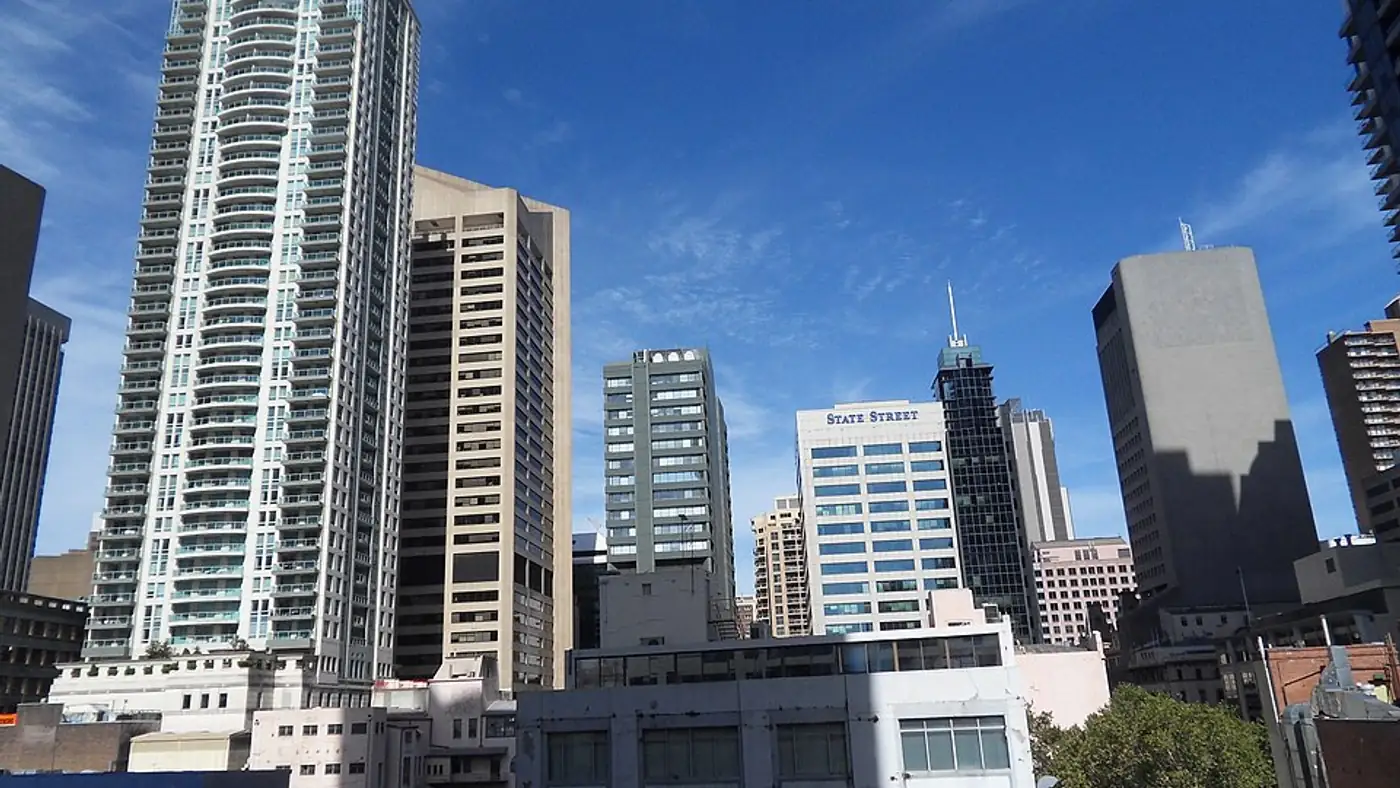
The office-to-residential conversion argument is correct about the problem and wrong about the scale of the answer. Sydney's commercial tower stock is genuinely underused. Genuinely wasted floorspace is a real inefficiency. Converting even a fraction of it produces real homes on real infrastructure without consuming new land or extending the sprawl. All of that is true, and none of it makes it a housing policy.
A 1980s CBD office tower is a genuinely convertible object in the right circumstances. Deep floor plates, structural column grids that can accommodate residential layouts, and a location within walking distance of light rail, rail and services. Developers have published conversion proposals across more than a dozen CBD and fringe precincts, and several have received planning approval.
The structural case is real, and the amenity case is better than it was. Sydney's employment centres are increasingly walkable, and the housing that comes with them is the housing that households actually want: smaller, closer to work, in areas where schools and services already exist.
So the conversions should happen. There is no argument against them on their merits.
The problem is arithmetic of a different kind. Sydney's dwelling shortfall runs into the hundreds of thousands over the forward projection period. Even an aggressive conversion program, delivering, say, 8,000 completed homes across a decade, is a mid-single-digit percentage of that gap. It changes the composition of supply slightly. It does not change the aggregate.
There is also a supply-timing problem. Office conversions take longer than conventional apartment development. Demolition of existing interiors, services replacement, and planning complexity typically put the timeline at three to five years from proposal to occupancy. Housing demand pressure is immediate. Supply arriving in 2031 does not relieve rents in 2027.
And there is a floor. The towers that convert best are the mid-market 1980s to 1990s buildings. The premium towers from the 2000s have large floor-to-floor heights, sealed glazing and complex services that make conversion expensive and technically awkward. The best candidates are a finite stock, and once they are exhausted the program has run out of easy targets.
A significant share of the vacant stock will never be suitable. Deep-below-grade car parks, podiums that cannot be removed without compromising the structural system, and buildings on constrained sites with no residential amenity nearby all sit on the wrong side of the cost equation.
The published precinct studies are honest about this. Conversion works in a corridor where residential demand already exists nearby. It does not work in isolation, and it will not work as a scattered portfolio strategy across every vacant tower.
If conversions are worth doing, they are worth doing alongside harder things rather than instead of them.
The number that matters more is suburban and mid-density. Zoning that permits genuine missing-middle housing near rail and arterials delivers far more dwellings per year than conversions do, and does not depend on a specific building stock remaining available.
The other lever is public housing, which has been the most reliable source of net new dwellings in Sydney for two decades and remains the fastest option when acquisition and approvals run in parallel.
The commercial property transition is a real problem with real answers. It needs to be solved as a commercial property problem. Dressing it as a housing supply policy has a cost, because it buys a headline number and delays the harder conversation about where Sydney's next 300,000 dwellings actually go.
For more on Sydney housing policy, see The City.
Direct inquiries, corrections, or documentation concerning this dispatch to our editorial newsroom desk.
An independent column on the future of Sydney and what lies ahead. The column provides critical perspectives on Greater Sydney and Australian life,

An independent column on the impact of technology on Sydney society. The column provides critical perspectives on how digital transformation, artificial

An independent column on Sydney's housing affordability crisis and what can be done. The column provides critical perspectives on the challenges facing
An independent column on the future of Sydney, covering urban planning, infrastructure, and city living. The column provides critical perspectives on