
Sydney Opinion: Future of Sydney
An independent column on the future of Sydney and what lies ahead. The column provides critical perspectives on Greater Sydney and Australian life,
5 min read

The Greater Sydney water swap traded long-term drought resilience for short-term certainty. It buys time but it does not buy a plan for a growing city
The Opinion Desk is a contributing writer covering opinion and public affairs for The Sydney Times.
The arrangement announced in August between Sydney Water and a consortium of regional utilities, and described in briefing material obtained by The Sydney Times, is a swap. Greater Sydney gives up a volume of its drought reserve allocation in the upper catchment. In return, it secures fixed annual entitlements closer to the city, guaranteed for twenty years regardless of conditions in the source dams.
On paper, it is sensible. On the ground, it is a symptom of a planning system that has spent a decade avoiding the decision it was built to make.
Under the published term sheet, Sydney Water transfers a 92-gigaglitre annual entitlement to the upper catchment into a managed pool held for metropolitan users. The regional participants acquire a firm allocation of 64 gigaglitres a year from two storage sources inside the metropolitan area, plus a 28-gigaglitre share of a pumped storage facility completed in 2024.
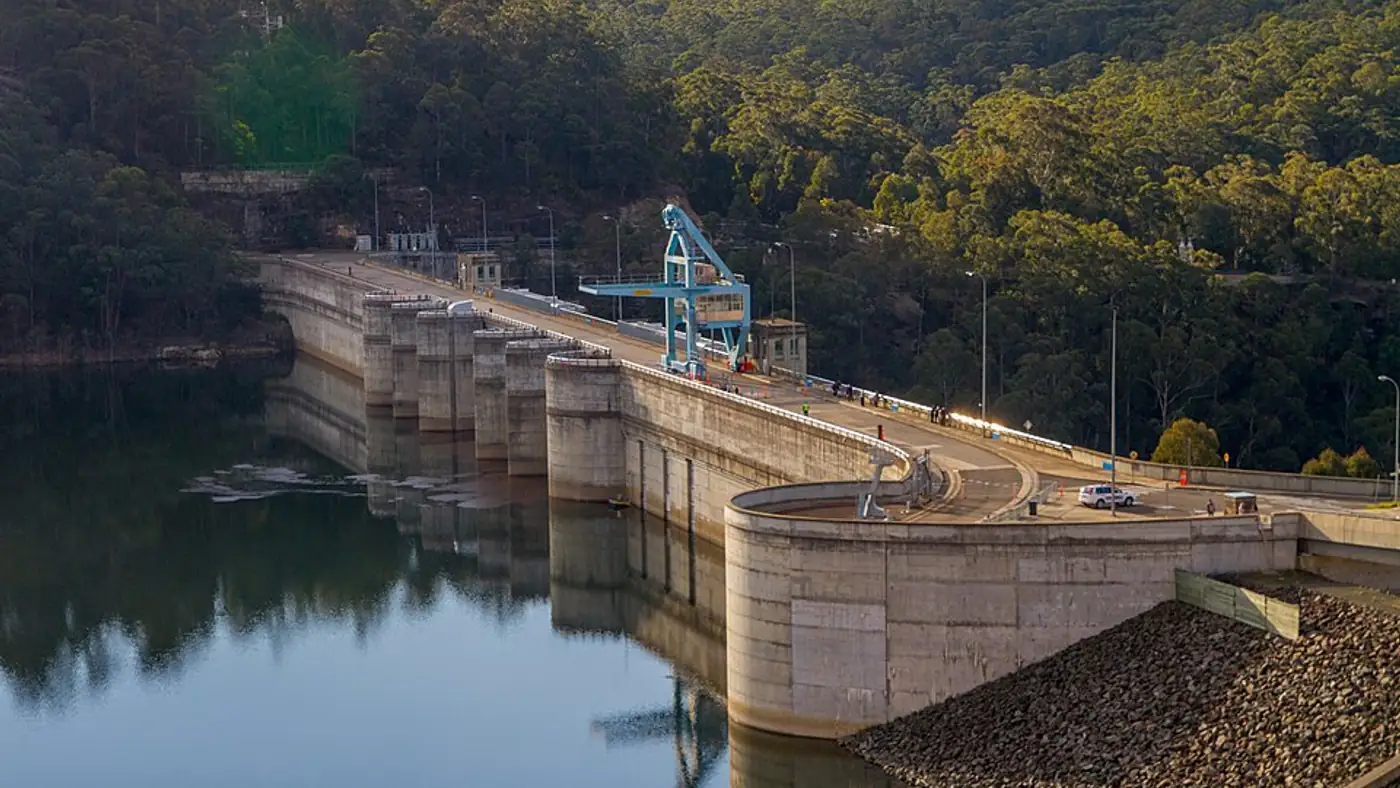
The headline effect is that roughly two-thirds of Greater Sydney's critical drought reserve now sits inside its own catchment. The metropolitan area becomes far less exposed to a failure of upstream infrastructure, which is precisely the vulnerability that made the last two dry periods so sharp.
That is a real benefit. It is not a plan.
The reason this deal happened at all is that Greater Sydney has been treated for years as the fixed quantity in a system where everything else can move. WaterNSW has an annual allocation target for the city. The drought plan's savings targets sit largely with households and small users. The large metropolitan reservoir network has been operated as though its buffer belongs to no one, which is convenient until it does not.
Once demand management plateaued and new supply options slipped, the only lever left was reallocation. The swap is what reallocation looks like when nobody is willing to say the city's growth assumption was optimistic.
The city added roughly 270,000 residents during the last intercensal period, driven by migration. The drought plan's long-term demand assumptions predate that scale of arrival. A twenty-year fixed allocation is, in effect, a bet that the population number was correct. If it was low, the swap converts a flexible constraint into a locked obligation.
What the swap does not do is reduce the volume of water Greater Sydney needs to secure from the south. It changes where some of it comes from and who is contractually obliged to find the rest.
Upstream communities have absorbed three consecutive dry allocations while metropolitan demand grew. When a metropolitan utility buys certainty, that certainty is purchased from someone. If the swap's commercial terms were favourable to the regional participants, the case for it is stronger. If they were not, then Greater Sydney has simply externalised its planning error onto the communities least able to argue.
A planning failure this structural is not fixed by procurement. It needs three things the state has avoided for a decade.
First, a published long-term demand projection that is argued in public, updated annually, and used as the binding input to every drought plan. Second, a stated population and employment growth assumption for Greater Sydney that infrastructure is designed around, rather than discovered after. Third, a ranked list of supply and demand-reduction options with costs, timelines and risks attached, published before the next dry cycle rather than during it.
The buyback is sensible. The argument is not with the swap. It is that a city should not need a swap, and that needing one means the planning system failed well before August.
For more Sydney infrastructure and utility analysis, see The City.
Direct inquiries, corrections, or documentation concerning this dispatch to our editorial newsroom desk.
An independent column on the future of Sydney and what lies ahead. The column provides critical perspectives on Greater Sydney and Australian life,

An independent column on the impact of technology on Sydney society. The column provides critical perspectives on how digital transformation, artificial

An independent column on Sydney's housing affordability crisis and what can be done. The column provides critical perspectives on the challenges facing
An independent column on the future of Sydney, covering urban planning, infrastructure, and city living. The column provides critical perspectives on