
Sydney City: Western Sydney Airport: Western Sydney Airport is
Western Sydney Airport is preparing for its first full year of operations as a cornerstone of western Sydney's economic and transport transformation.
6 min read

The NSW government last year spent $1.26 million opening two new swimming sites on the Parramatta River at Bedlam Bay in Gladesville and Putney Beach.
The City Desk is a contributing writer covering city and public affairs for The Sydney Times.
Parramatta River's swim target collides with 70 million litres of daily discharge from a new Camellia-Rosehill wastewater facility, putting the state's swimmable river ambition in direct conflict with infrastructure needs for population growth across The City and Property & Suburbs.
The NSW government last year spent $1.26 million opening two new swimming sites on the Parramatta River at Bedlam Bay in Gladesville and Putney Beach. Just months after those ribbon-cuttings, Sydney Water has lodged a state significant infrastructure proposal to pump 70 million litres of advanced treated wastewater into the same river every day from a new plant at Camellia-Rosehill, with discharge near Meadowbank Park. The project arrives as the Parramatta Metro station precinct prepares for a $880 million integrated development including a 43-storey build-to-rent tower, adding hundreds of dwellings footsteps from the future interchange.
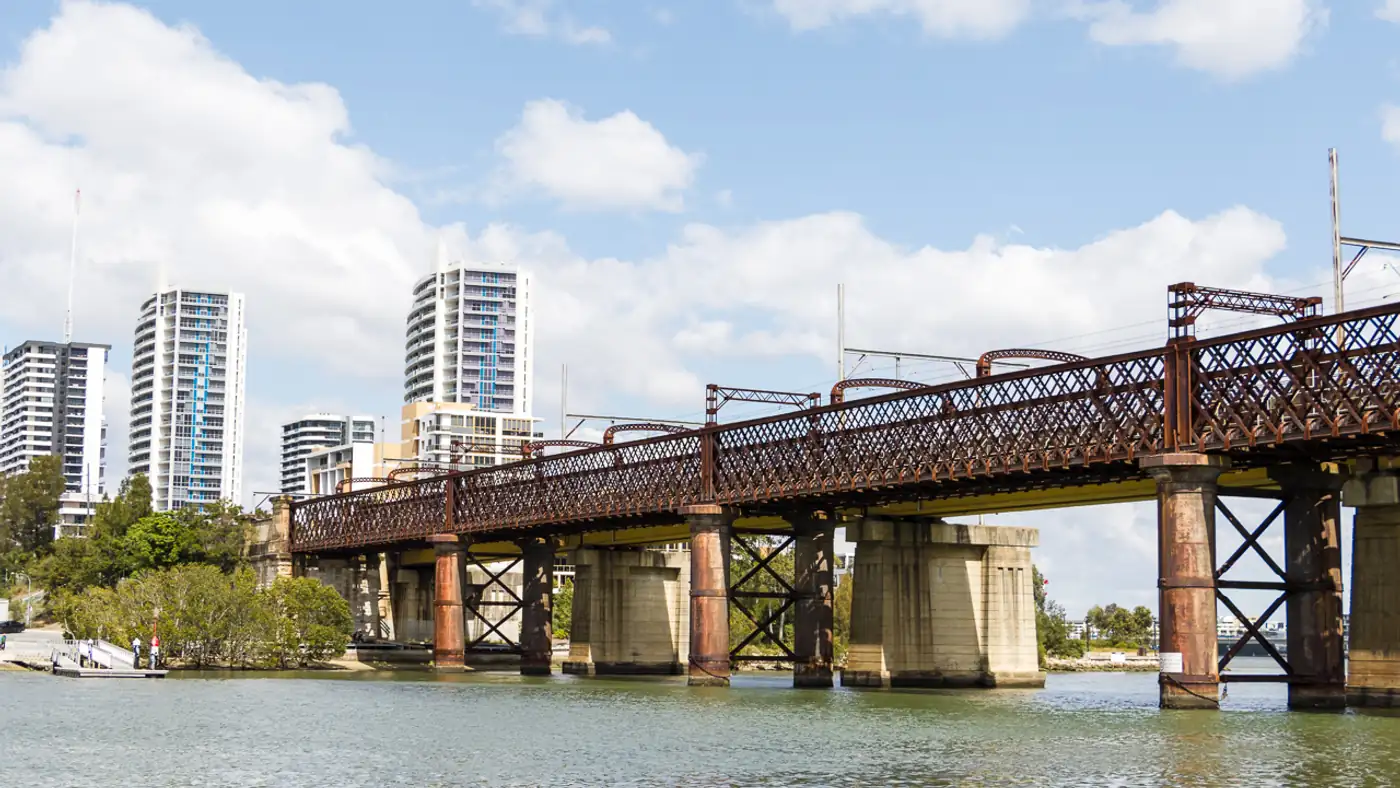
Sydney Water's Greater Parramatta and Olympic Peninsula Water Cycle Management Project includes a new Water Resource Recovery Facility at the Camellia-Rosehill industrial precinct. The plant would divert wastewater from the Northern Suburbs Ocean Outfall Sewer via the existing Camellia pumping station, treat it through primary and secondary processes followed by reverse osmosis, and release the output into the Parramatta River near the John Whitton Bridge at Meadowbank.
The river release pipeline would run 5.3 kilometres, largely underground, from the facility through Silverwater Park and George Kendall Riverside Park to Meadowbank Park. Sydney Water selected the underground alignment to reduce disruption to parkland and avoid temporary road closures in residential streets. A separate brine pipeline would return by-products from the reverse osmosis process to the existing Northern Suburbs Ocean Outfall Sewer for coastal disposal. Construction is slated to begin in 2028, with the facility operational by 2032. The entire Water Resource Recovery Facility build is expected to take approximately 36 months, according to Sydney Water's project overview brochure, which notes the facility is designed to be adaptable for future purified recycled water schemes.
Meadowbank, near the John Whitton Bridge, was selected after Sydney Water assessed several sites both upstream and downstream of the proposed plant. Wentworth Point and Rhodes were rejected because water depths there are shallower, at 4.2 to 4.9 metres, compared with 4.2 to 5.1 metres at Meadowbank, and high-density residential areas limit available open space for construction. Meadowbank provides deeper water for better mixing of advanced treated water and reduces construction disruption to neighbours.
The Parramatta River is a tidal and relatively slow-moving waterway. In sections such as Meadowbank, natural dilution may be limited during dry weather and low-flow conditions, a factor that drew scrutiny during the environmental impact assessment process. Continuous discharge of treated wastewater raises concerns about potential long-term impacts on water quality, including nutrient accumulation, salinity, and broader ecosystem health affecting the recovering mangrove and wetland habitats along the Ryde Riverwalk.
The existing Northern Suburbs Ocean Outfall Sewer and the North Head Water Resource Recovery Facility currently treat wastewater for about 1.7 million people across Sydney's western and northern suburbs. Those assets are expected to reach capacity around 2031. The Greater Parramatta and Olympic Peninsula area is forecast to absorb an additional 250,000 residents over the next three decades. Without the new facility, Sydney Water says the existing system cannot accommodate that growth.
The project is designed to relieve pressure on the North Head plant and the Northern Suburbs Ocean Outfall Sewer, allowing both to continue servicing existing customers while the new Camellia-Rosehill facility handles additional demand from GPOP's housing and commercial expansion. The proposal is assessed as state significant infrastructure under application SSI-74258485.
Sydney Water's consultation outcomes report notes the facility would also provide capacity for innovation and technology sectors expected to locate in the GPOP area, and would be adaptable to a circular economy future. The Camellia pumping station would send a portion of incoming wastewater to the new facility while continuing to direct the remainder to North Head via the existing ocean outfall sewer.
The proposal attracted more than 400 public submissions during the Environmental Impact Statement exhibition period, which ran from 12 February 2026 to 11 March 2026 on the NSW Planning Portal. Objections raised by residents and community groups include concerns about operational failures during extreme weather, nutrient accumulation in the slow-moving tidal river, and the impact on mangroves and endangered migratory bird habitats at Meadowbank.
One submission from a local family expressed concern that even if treated wastewater meets regulatory standards, operational failures, maintenance bypass events, or extreme weather could affect water quality and public confidence in the river's safety. The family described the Parramatta River as an important natural space used for walking, kayaking, and rowing.
Sydney Water must obtain an environmental protection licence from the NSW EPA before any discharge can begin. The EPA sets performance standards and monitors water quality at all Sydney Water facilities under strict licence conditions. The Department of Planning, Housing and Infrastructure is assessing the project as state significant infrastructure.
The NSW government's Places to Swim program has already delivered $560,475 for the Bedlam Bay Beach Swim Site through Hunter's Hill Council and $698,475 for the Putney Beach Swim Site Activation through City of Ryde Council. Both sites sit several kilometres downstream of the proposed Meadowbank outlet. Sydney Water says its modelling predicts water quality at those swimming locations will improve, not worsen, once the advanced treated water is released, because the treated water would have higher quality than the existing river inflows.
The Riverwatch program monitors water quality at existing swim sites including Bayview Park in Concord and tests for suitability at new locations. Sydney Water says the advanced treated water is safe for release, produced using the highest level of treatment available, and that the project has been designed to be adaptable to using the water for other beneficial uses in the future, including potential purified recycled water schemes.
The proposal locks Greater Parramatta into a treat-and-discharge model for decades. While Sydney Water says the facility could eventually be adapted to produce purified recycled water for non-potable uses, the current plan centres on daily discharge of up to 70 megalitres into a river the state is simultaneously trying to restore. A decision on the state significant infrastructure approval is expected before construction begins in 2028.
Direct inquiries, corrections, or documentation concerning this dispatch to our editorial newsroom desk.
Western Sydney Airport is preparing for its first full year of operations as a cornerstone of western Sydney's economic and transport transformation.

The trial runs will use the existing Metro North West Line rolling stock, with driverless trains tested on the new track between Sydenham and Bankstown.

Western Sydney hospitals receive a $38 million health package boost. The funding will support critical infrastructure upgrades and expanded services.
The Bureau of Meteorology's summer outlook lands in late October, with El Nino at near-record levels and a positive Indian Ocean Dipole likely to develop.