
Frontier AI Safety Australias Regulatory Approach to GPT-5
Australia is developing a regulatory framework for frontier AI models like GPT-5 and Claude 4, balancing innovation incentives against systemic risk.
8 min read

Australia faces a critical shortage of domestic AI compute capacity as demand for GPU clusters outpaces the buildout of sovereign infrastructure.

The Tech Desk is a contributing writer covering tech and public affairs for The Sydney Times.
Australia's push for sovereign AI infrastructure has exposed a stark reality: domestic GPU compute capacity is nowhere near sufficient to meet the demands of frontier model development and enterprise AI deployment. The gap between ambition and infrastructure is widening.
The federal government's Buy Australian AI Partnership committed $400 million to expanding domestic compute. Yet industry analysts estimate that Australian organisations require at least 50,000 high-end GPUs to meet current demand. The existing domestic fleet, concentrated in a handful of facilities, totals fewer than 15,000 units.
The shortage is compounded by export controls that have restricted Nvidia's ability to supply its most advanced chips to Australian buyers. While the controls primarily target Chinese entities, the ripple effects have constrained supply chains globally. Australian AI companies report lead times of six to nine months for H100 and B200 class GPUs.
Firmus Technologies has committed $500 million to building a green AI compute facility in Tasmania, powered by renewable energy. The project aims to deliver 25 megawatts of GPU capacity by mid-2027. However, even at full capacity, it would represent less than 5 per cent of estimated national demand.
AI compute is energy-intensive. A single GPU cluster consuming 25 megawatts requires approximately 55 gigawatt-hours of electricity annually. Australia's record 9.1 gigawatts of solar and wind capacity provides a growing renewable base, but grid connection timelines for data centers average 18 months.
The Australian Energy Market Operator has flagged data center connections as a growing strain on transmission networks. In New South Wales and Victoria, connection requests from AI companies have increased by 340 per cent over the past 12 months.
The Firmus green AI infrastructure announcement details the Tasmania project specifications and timeline.
Direct inquiries, corrections, or documentation concerning this dispatch to our editorial newsroom desk.
Australia is developing a regulatory framework for frontier AI models like GPT-5 and Claude 4, balancing innovation incentives against systemic risk.
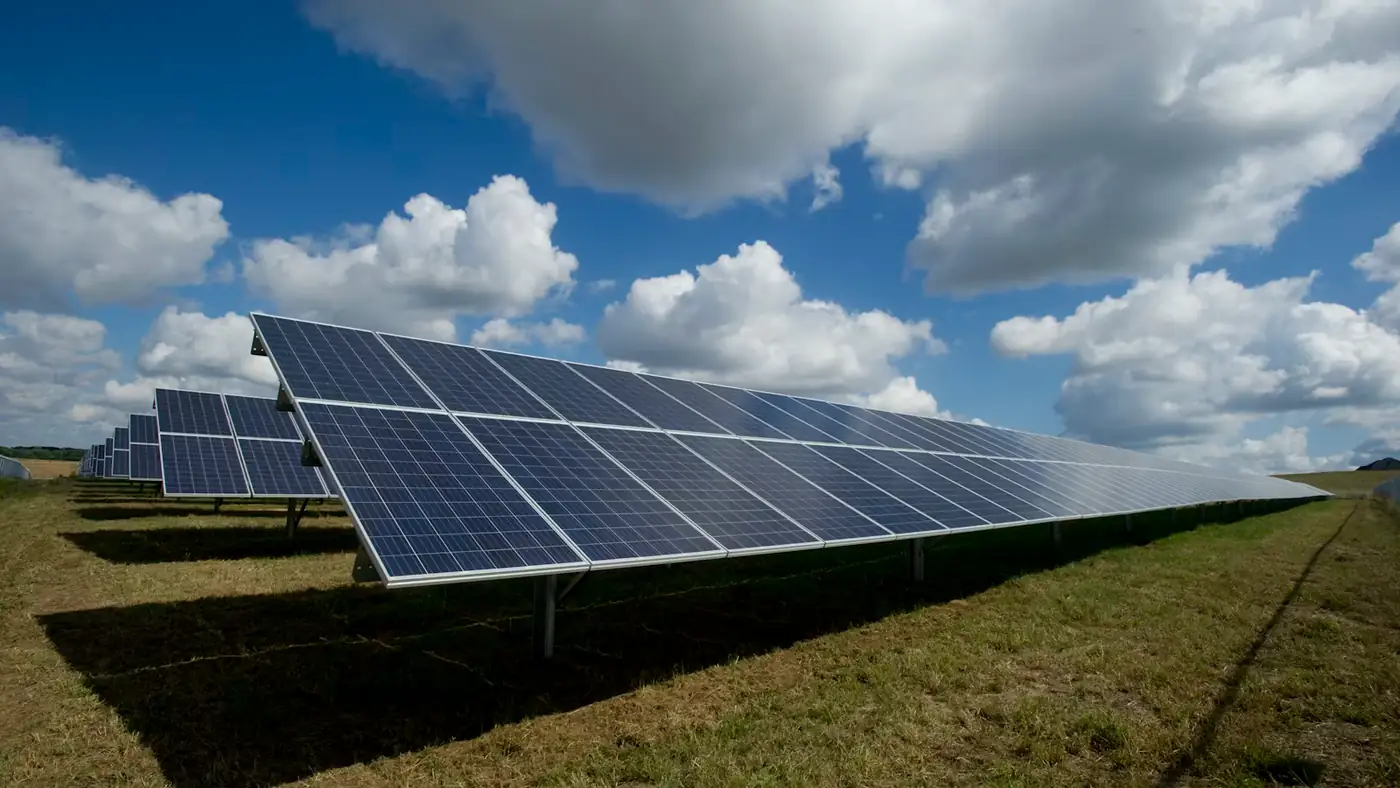
Australia's data localization laws are reshaping how AI models are trained and deployed, forcing companies to navigate complex data flow rules.
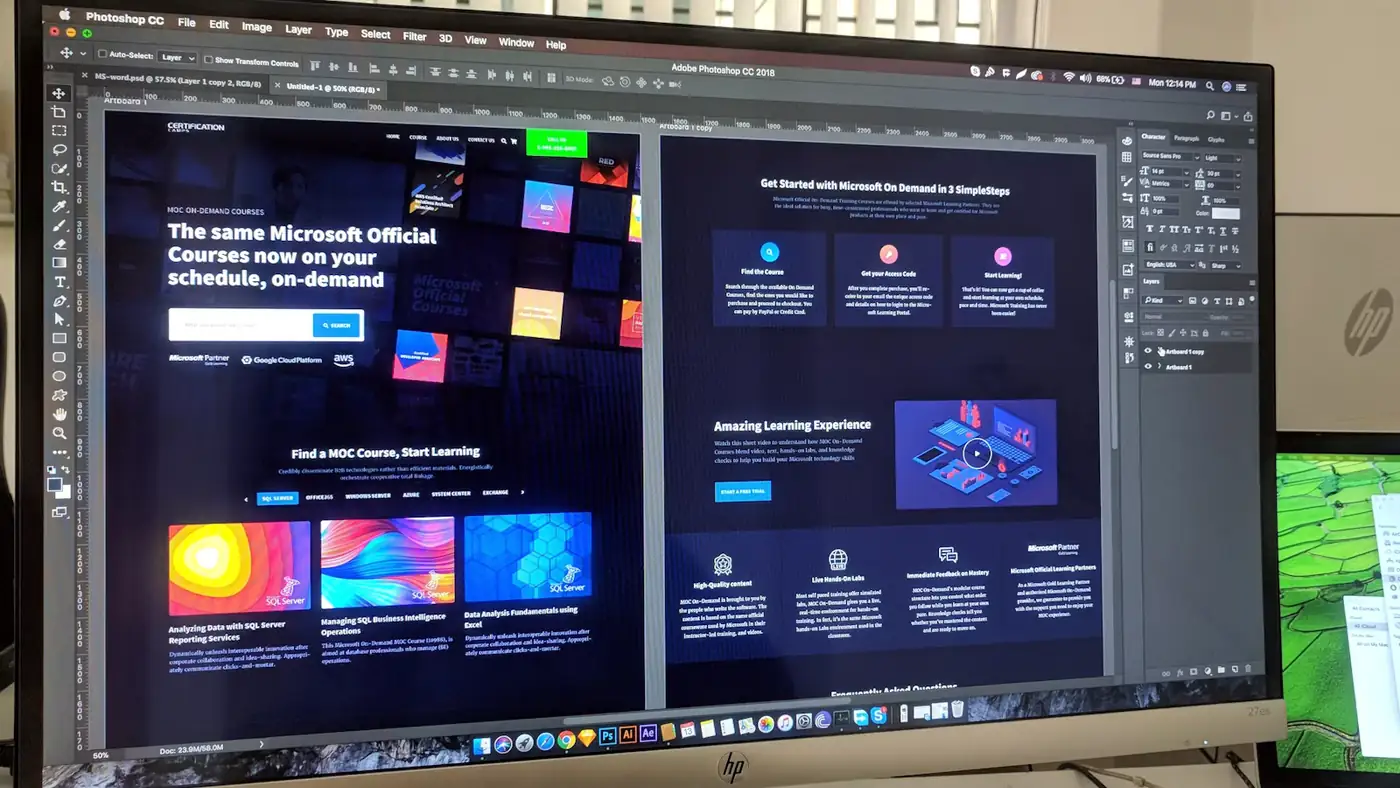
Australian technology startups have secured record venture capital funding in the third quarter, defying global investment headwinds this year.

An Australian quantum startup has demonstrated unprecedented qubit coherence times, bringing practical quantum computing closer to commercial reality.