
Sydney Guides: Sydney for Students: The NSW Government provide
A comprehensive guide to Sydney for students, including universities, accommodation, and costs. Sydney is home to some of Australia's most prestigious.
7 min read

This includes house extensions, deck additions, garage conversions, new fences over one metre high in the front yard, and any structural changes.

Property & Suburbs Desk is a contributing writer covering guides and public affairs for The Sydney Times.
Most external building work in Sydney requires some form of council approval. This includes house extensions, deck additions, garage conversions, new fences over one metre high in the front yard, and any structural changes. Minor internal renovations, such as kitchen or bathroom refurbishments inside an existing footprint, usually do not require approval unless they affect heritage listed buildings.
If you are unsure whether your project requires approval, your local council's planning portal has an online tool that asks a series of yes or no questions about your proposed work.
Find your property on the NSW Planning Portal and enter your address. The portal shows your zone, any heritage overlays, and the applicable Local Environmental Plan (LEP). These controls determine what you can build and what approval pathway is available.
Heritage listed properties, properties in conservation areas, and properties subject to flood or bushfire overlays have stricter rules. A heritage property may require a Heritage Impact Statement even for minor external alterations.
Sydney uses two main approval pathways:
If your renovation is straightforward, such as a rear deck or a first-floor extension within the allowable height and setback limits, a CDC is usually faster and cheaper than a DA. If your design pushes against height or setback limits, or if the property is in a heritage area, you will likely need a DA.
A DA or CDC requires:
Hire a registered architect, building designer, or draftsperson to prepare these documents. Uncertified plans are the most common reason for council to request more information, which delays the process by weeks.
Submit your DA or CDC application through the NSW Planning Portal or in person at your local council. Fees vary by council and project value. A typical DA for a rear extension might cost between $1,500 and $3,000 in lodgement fees. A CDC costs between $1,200 and $2,500.
For a DA, the council will display the application publicly for 14 days, during which neighbours can make submissions. The council then assesses the application against the LEP and DCP and issues a determination within 40 to 90 days, depending on complexity.
After approval, you need a Construction Certificate (CC) before starting work. A CC confirms that your detailed building plans comply with the Building Code of Australia. You can obtain a CC from the same certifier who issued your DA or CDC, or from a private building certifier.
During construction, mandatory inspections occur at the footing, frame, waterproofing, and final stages. Book these inspections at least 48 hours in advance through your certifier. Final occupation of the building requires an Occupation Certificate issued after a final inspection.
Underestimating fees. Budget for 10 to 15 percent of your construction budget for approval fees, consultant fees, and construction certificates. Ignoring setbacks. Even a small balcony that encroaches on the minimum setback from the boundary can cause a DA refusal or require a variation. Not checking neighbour impacts. Overshadowing and privacy overlooking are common grounds for council refusal or neighbour objections under a DA.
Direct inquiries, corrections, or documentation concerning this dispatch to our editorial newsroom desk.
A comprehensive guide to Sydney for students, including universities, accommodation, and costs. Sydney is home to some of Australia's most prestigious.

A comprehensive guide to Sydney for families, including schools, parks, and activities. The city offers an exceptional range of family-friendly destinations.

A comprehensive guide to moving to Sydney, including neighbourhoods, transport, and costs. The guide covers everything you need to know about relocating.
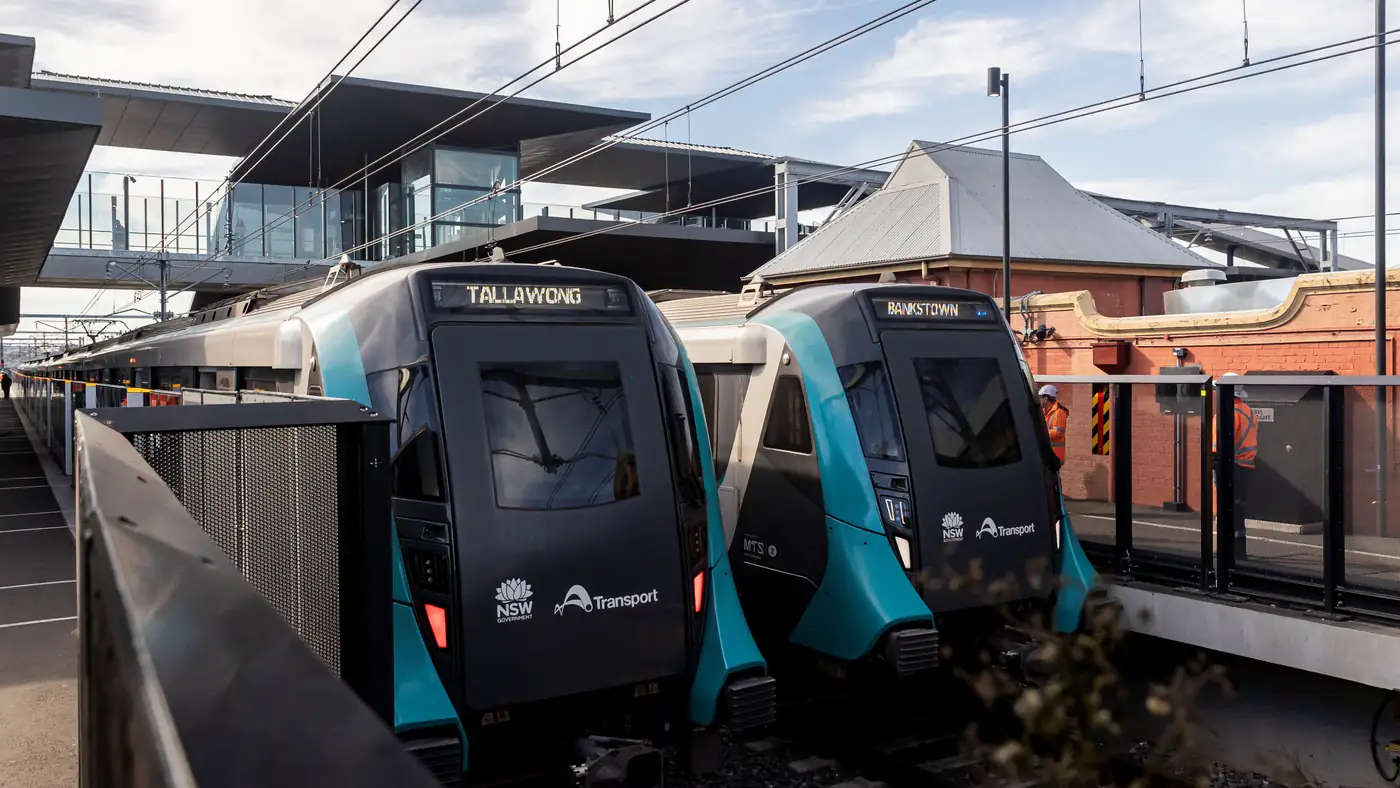
Complete guide to Sydney's Metro Southwest Bankstown line: timetable, fares, stations, Opal fares, parking, and commuter tips for the new line.