
Sydney Property: Housing Market Outlook: Sydney's housing mark
Sydney's housing market outlook for 2027 shows cautious optimism. After a period of adjustment to higher interest rates, the property market is showing.
6 min read

The decline marks a turning point for the national property market, which had remained resilient through 2025 despite rising borrowing costs.
The Property Desk is a contributing writer covering property and public affairs for The Sydney Times.
High-end houses in Sydney have fallen more than 10 per cent from their peak, with the housing downturn now entrenched across the nation's capitals as higher interest rates and federal tax changes weigh on buyer confidence. Homes in the top 25 per cent of the market have dropped 10.7 per cent below peak levels in Sydney, according to Cotality data released in September 2026, while Melbourne has recorded a 10.5 per cent fall over the same period.
The decline marks a turning point for the national property market, which had remained resilient through 2025 despite rising borrowing costs. The Reserve Bank of Australia hiked rates in February, March and May 2026, and the full impact is now flowing through to prices. The federal budget's changes to negative gearing and capital gains tax have added further uncertainty, with buyers reducing budgets by up to 15 per cent in some segments.
The downturn is no longer confined to Sydney and Melbourne. Cotality head of research Gerard Burg said price declines have spread to Brisbane, Adelaide and Perth, demonstrating that the downturn is now affecting a broader range of markets. In contrast, price declines across Brisbane, Adelaide and Perth have been more evenly distributed across all price points, reflecting their later entry into the downturn.
The median value of expensive homes in Sydney is $2.1 million, while in Melbourne it is $1.2 million. Lower-priced homes and units have continued to show greater resilience, with the gap between premium and affordable stock widening as the market corrects.
The rental market remains under severe pressure, with new data from Everybody's Home showing that renting a unit now costs more than half the median take-home pay of a single worker in every Australian capital city. For someone earning $70,000, median Sydney rent would take 69 per cent of their weekly pay. The advocacy group is calling for more social housing and limits on rental increases.
The National Housing Supply and Affordability Council's State of the Housing System 2026 report confirms that rental affordability deteriorated to its worst level on record in December 2025, with 33.1 per cent of median household income needed to afford the median advertised rent. The report notes that social housing has been declining as a share of the dwelling stock over time and is around 4 per cent.
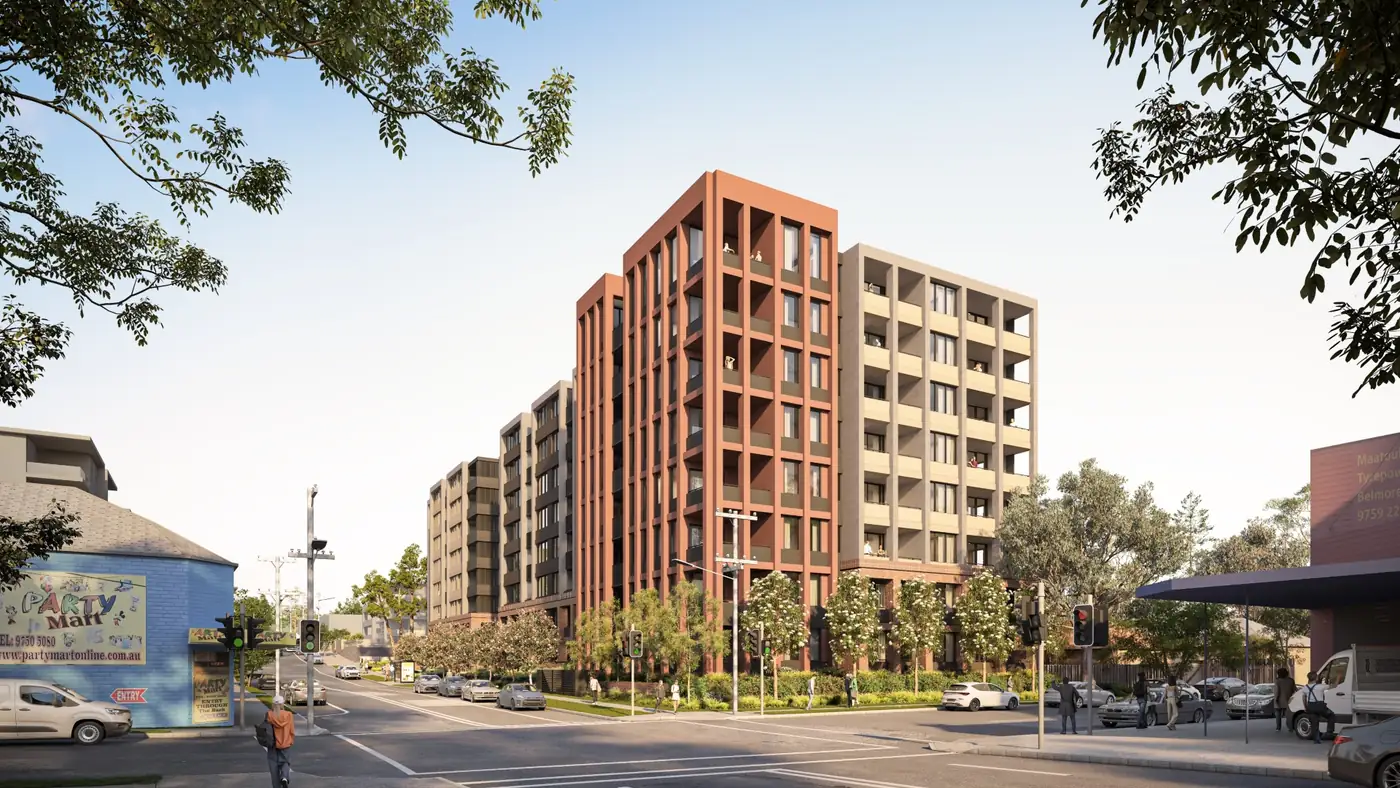
The Albanese and Minns Governments have committed $500 million annually through the Housing Australia Future Fund to support the delivery of 20,000 new social and affordable homes over five years. In August 2026, the NSW Government announced that almost 700 new social and affordable homes had been approved across Sydney through five HAFF projects, with more than 80 per cent of those homes being social and affordable.
The ABS Total Value of Dwellings data for the June quarter 2026 shows the total value of residential dwellings in Australia rose by $315.9 billion to $12,772.6 billion, with NSW accounting for $1,324.8 billion of that total. The number of residential dwellings rose by 54,200 to 11,495,200, reflecting continued construction activity despite the price downturn.
For more context on Sydney property and markets, see Property & Suburbs.
Direct inquiries, corrections, or documentation concerning this dispatch to our editorial newsroom desk.
Sydney's housing market outlook for 2027 shows cautious optimism. After a period of adjustment to higher interest rates, the property market is showing.

Sydney's commercial property market is showing signs of recovery. After a prolonged period of uncertainty, the city's office and retail sectors.

Sydney's rental market is showing signs of stabilisation as vacancy rates shift. The property market is adjusting to new supply levels and changing tenant.
NSW rental vacancy rate dropped to 1.2% in September 2026, putting pressure on rents as supply stays tight across Greater Sydney and regional centres.