
Sydney City: Western Sydney Airport: Western Sydney Airport is
Western Sydney Airport is preparing for its first full year of operations as a cornerstone of western Sydney's economic and transport transformation.
6 min read

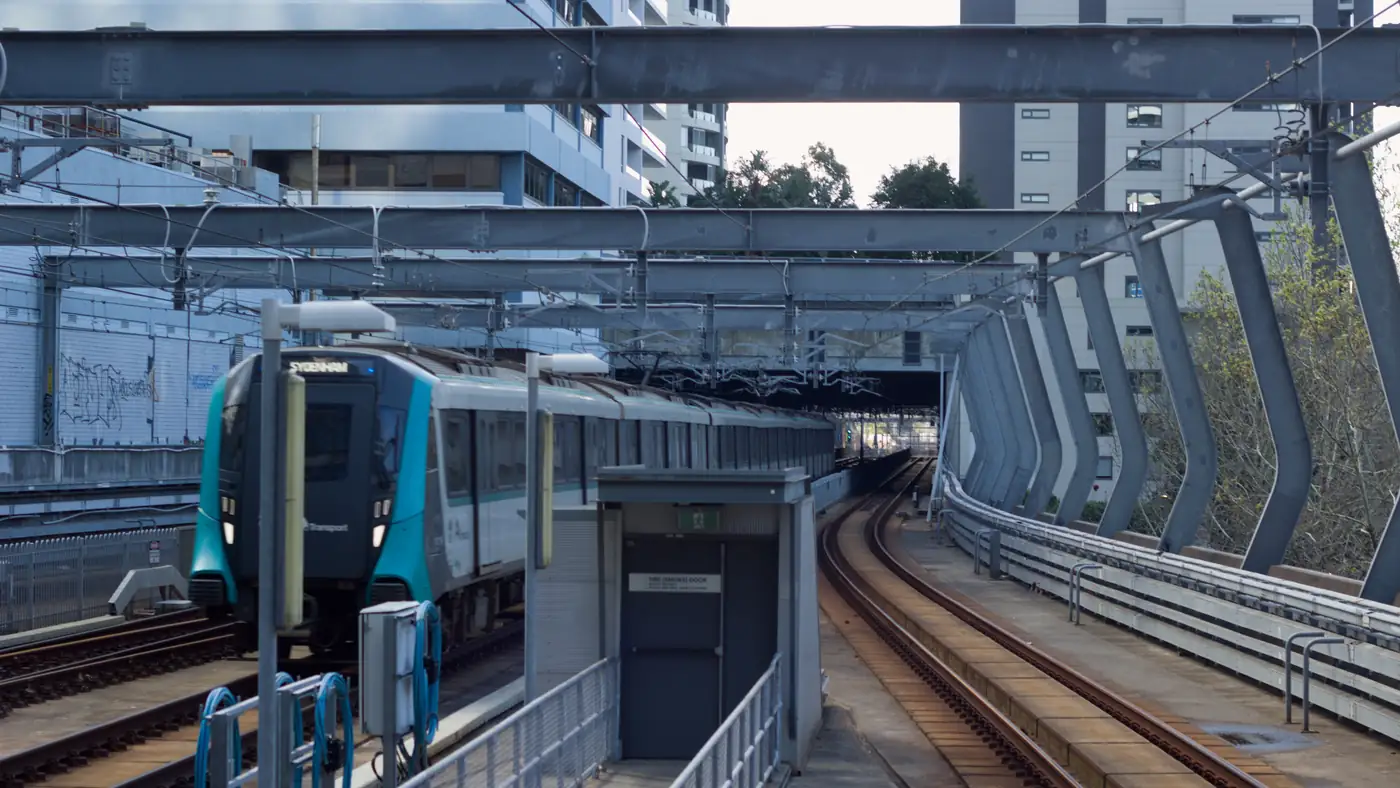
The trial runs will use the existing Metro North West Line rolling stock, with driverless trains tested on the new track between Sydenham and Bankstown.
The City Desk is a contributing writer covering city and public affairs for The Sydney Times.
Sydney Metro City Southwest will begin driverless train trial runs in late 2026, with passenger services expected to launch from Chatswood to Bankstown via Central in 2027, connecting the Inner West to the metro network. The extension will add 12 stations and 26 kilometres of track to the Sydney Metro network, creating a continuous driverless service from Tallawong in the northwest to Bankstown in the southwest.
The trial runs will use the existing Metro North West Line rolling stock, with driverless trains tested on the new track between Sydenham and Bankstown. The test program will validate signalling, platform screen doors, and passenger information systems before passenger services commence. Transport for NSW expects the trial runs to begin in October 2026, with passenger services targeted for mid-2027.
The most significant engineering component of the City Southwest extension is the twin tunnel between Chatswood and Sydenham, which passes beneath the Sydney CBD, Eastern Suburbs, and Inner West. The tunnel includes new stations at Crows Nest, Victoria Cross, Barangaroo, Martin Place, and Gadigal, with an interchange at Central connecting to the existing suburban and intercity rail network.
The tunnel was constructed using a combination of tunnel boring machines and cut-and-cover methods, with the deepest station at Martin Place reaching approximately 40 metres below ground. The tunnel includes emergency cross-passages, ventilation shafts, and a dedicated firefighting water main. The design accommodates the full six-car metro train configuration, with platform lengths of 120 metres and a maximum speed of 100 kilometres per hour.
The Sydenham to Bankstown section involves the conversion of the existing T3 Bankstown Line to metro standards, including the installation of platform screen doors, new signalling, and the removal of level crossings. The conversion will allow metro trains to operate through to Bankstown, with services running from Tallawong to Bankstown without interchange.
The Bankstown station will be rebuilt as a metro station, with a new concourse, platform screen doors, and improved accessibility. The station will include bus interchange facilities, bicycle parking, and kiss-and-ride zones. The conversion of the Bankstown Line is part of the broader Sydney Metro City Southwest program, which will deliver a continuous driverless service from Tallawong to Bankstown.
The conversion of the T3 Bankstown Line has required the temporary closure of several stations, with replacement bus services provided during construction. The stations at Lakemba, Wiley Park, Punchbowl, and Bankstown have been closed for conversion works, with reopening dates aligned to the 2027 passenger service target.
Sydney Metro City Southwest will integrate with the existing Metro North West Line, creating a continuous driverless service from Tallawong to Bankstown. The extension will connect the Inner West to the metro network, with journey times from Bankstown to Central reduced from 35 minutes to approximately 20 minutes. The metro service will operate at a peak frequency of 15 trains per hour, with the capacity to increase to 30 trains per hour as demand grows.
The extension will also provide improved access to employment and education precincts, including the University of Technology Sydney, the Australian Technology Park, and the Wests Tigers training facility. The metro stations at Crows Nest and Victoria Cross will serve the North Shore commercial precinct, while the Barangaroo station will provide direct access to the Barangaroo commercial and residential precinct.
The NSW Government is delivering Sydney Metro City Southwest through Transport for NSW and Sydney Metro, with a 2027 opening target for the Chatswood to Bankstown section.
Direct inquiries, corrections, or documentation concerning this dispatch to our editorial newsroom desk.
Western Sydney Airport is preparing for its first full year of operations as a cornerstone of western Sydney's economic and transport transformation.

The trial runs will use the existing Metro North West Line rolling stock, with driverless trains tested on the new track between Sydenham and Bankstown.

Western Sydney hospitals receive a $38 million health package boost. The funding will support critical infrastructure upgrades and expanded services.
The Bureau of Meteorology's summer outlook lands in late October, with El Nino at near-record levels and a positive Indian Ocean Dipole likely to develop.