
Sydney City: Western Sydney Airport: Western Sydney Airport is
Western Sydney Airport is preparing for its first full year of operations as a cornerstone of western Sydney's economic and transport transformation.
6 min read

The breakthrough allows the project to shift from underground excavation to track laying, station fit-out, and systems installation across nine stations.
The City Desk is a contributing writer covering city and public affairs for The Sydney Times.
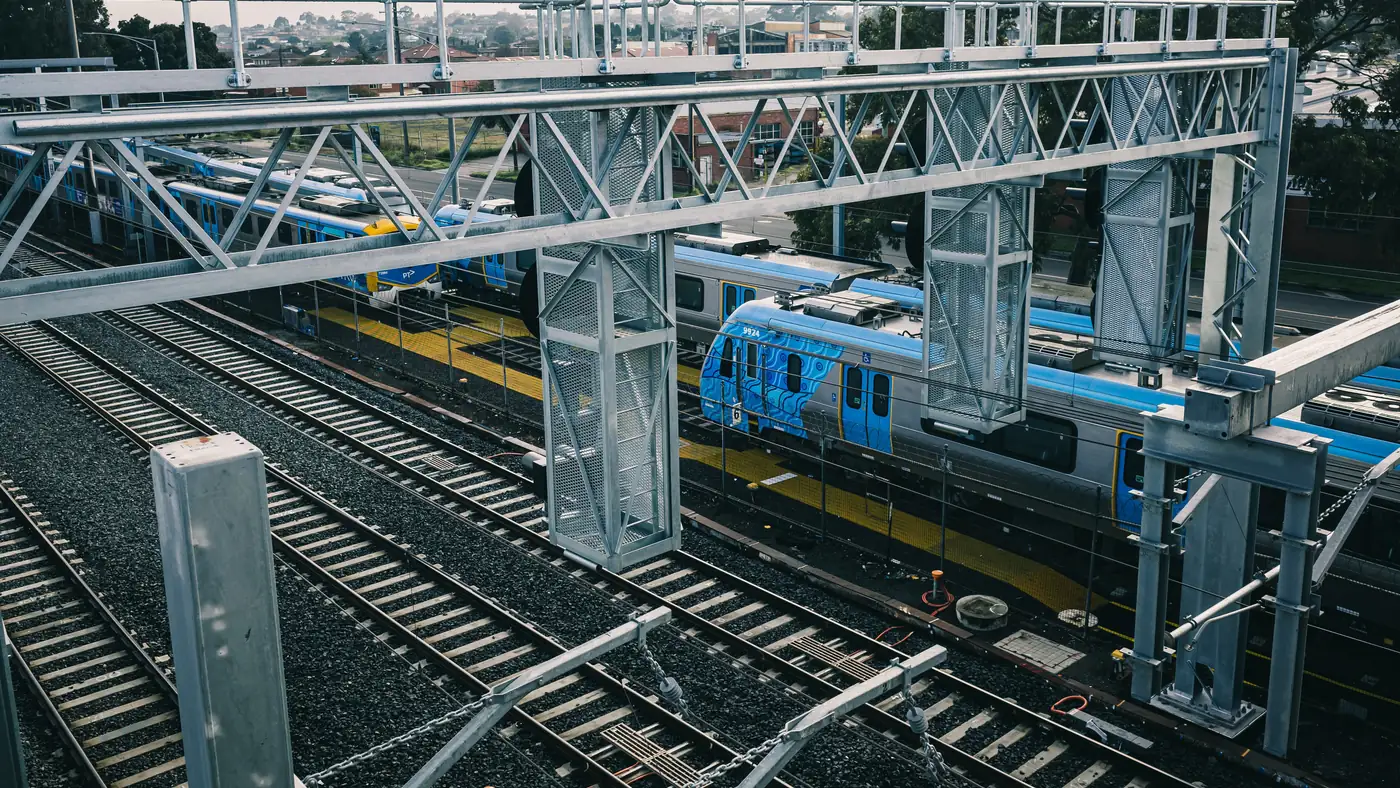
Tunnel boring machines have completed the 24-kilometre drive between Westmead and the Sydney CBD, marking the most significant engineering milestone on the $27 billion Sydney Metro West line. The breakthrough allows the project to shift from underground excavation to track laying, station fit-out, and systems installation across nine stations.
The final tunnel section passes beneath the Domain, the heritage-listed State Library of New South Wales, and the Sydney CBD’s commercial core. Twin tunnels now connect the future Parramatta Metro station with the Hunter Street station site in the CBD, where John Holland, CPB Contractors and Ghella are progressing demobilisation and structural works. The Department of Planning and Environment approved the station excavation and CBD tunnelling package in September 2022, with a 24-hour tunnelling modification approved in April 2023.
The completion of tunnelling does not mean the line is ready for passengers, but it does lock in the most complex and disruptive phase of construction. Track laying, rail systems installation, and station fit-out will now dominate the work program through 2027 and 2028. The NSW Government maintains a 2032 opening target for the full line, with the exact sequencing of station openings subject to further planning and testing milestones.
The tunnel boring machines excavated through a mixture of Hawkesbury sandstone, shale, and alluvial deposits. Ground movement monitoring was maintained throughout the drive, with settlement thresholds kept below agreed limits for heritage buildings and active utilities. The joint venture installed more than 30,000 concrete segments to form the tunnel lining, and a network of cross-passages connects the twin bores at emergency intervals.
The Bays to CBD package covers the most technically challenging section of Sydney Metro West, including twin tunnels between The Bays and Hunter Street, station boxes at The Bays and Hunter Street, and a crossover cavern at Hunter Street large enough to store a 120-metre-long driverless train. The crossover allows eastbound services to reverse direction during peak periods or in an emergency.
Internal project documents have previously estimated the Hunter Street station cost at about $640 million, making it one of the most expensive stations on the route. The station will sit about 45 metres below ground, with entrances on Bligh, O’Connell and George streets. Above the station, a 51-storey tower is planned for the corner of Hunter and George streets, and a 58-storey tower is proposed for the corner of Hunter, O’Connell and Bligh streets.
Tunnelling between Westmead and Parramatta was completed earlier in the program, and the Riverside Link Consortium—comprising Gamuda Engineering, Gamuda Australia and MTR Corporation Australia—is now preparing for station box construction. The $880 million contract awarded in September 2026 covers the permanent station infrastructure and an integrated development of 470 homes, 500 student beds, a 43-storey build-to-rent tower, and a 29-storey commercial tower directly above the station.
Gamuda Australia holds an 80 per cent stake in the consortium, with MTR Corporation Australia holding the remaining 20 per cent. The station box is scheduled to begin in mid-2027, with the line targeting a 2032 opening. Journeys between Parramatta and the CBD are expected to take approximately 20 minutes when complete, halving the current rail journey time.
John Holland, engaged by Sydney Metro to deliver the Linewide package, is responsible for 60 kilometres of track across the network, rail systems installation, and construction of the 38-hectare stabling and maintenance facility at Clyde. The Linewide scope includes track, signalling, communications, and power systems, with the aim of delivering a fully automated driverless metro service.
The track installation will use concrete sleepers and continuously welded rail, with the tunnelbored sections designed for a maximum speed of 100 kilometres per hour. The Linewide contract also covers the fit-out of nine stations, including platform screen doors, customer service facilities, and operational control rooms. Testing and commissioning will begin once track and systems are installed, with driverless train trials expected to start in 2030.
The completion of tunnelling does not end construction disruption in the CBD. The Hunter Street site will continue 24-hour tunnelling support activities, deliveries, and out-of-hours work through the demobilisation phase. Standard construction hours remain 7am to 6pm Monday to Friday and 8am to 6pm on Saturdays, with above-ground out-of-hours work permitted between 6pm and 7am Monday to Saturday.
The joint venture publishes weekly Hunter Street email updates for residents and businesses. The 24-hour community information line is 1800 612 173, with email contact via MetroTunnelsJCGJV@transport.nsw.gov.au. Temporary road, lane and footpath closures will continue as equipment is removed and hoarding is adjusted.
The NSW Government is delivering Sydney Metro West through Transport for NSW. The line is designed to double rail capacity between Parramatta and the CBD, with an opening target of 2032.
Direct inquiries, corrections, or documentation concerning this dispatch to our editorial newsroom desk.
Western Sydney Airport is preparing for its first full year of operations as a cornerstone of western Sydney's economic and transport transformation.

The trial runs will use the existing Metro North West Line rolling stock, with driverless trains tested on the new track between Sydenham and Bankstown.

Western Sydney hospitals receive a $38 million health package boost. The funding will support critical infrastructure upgrades and expanded services.
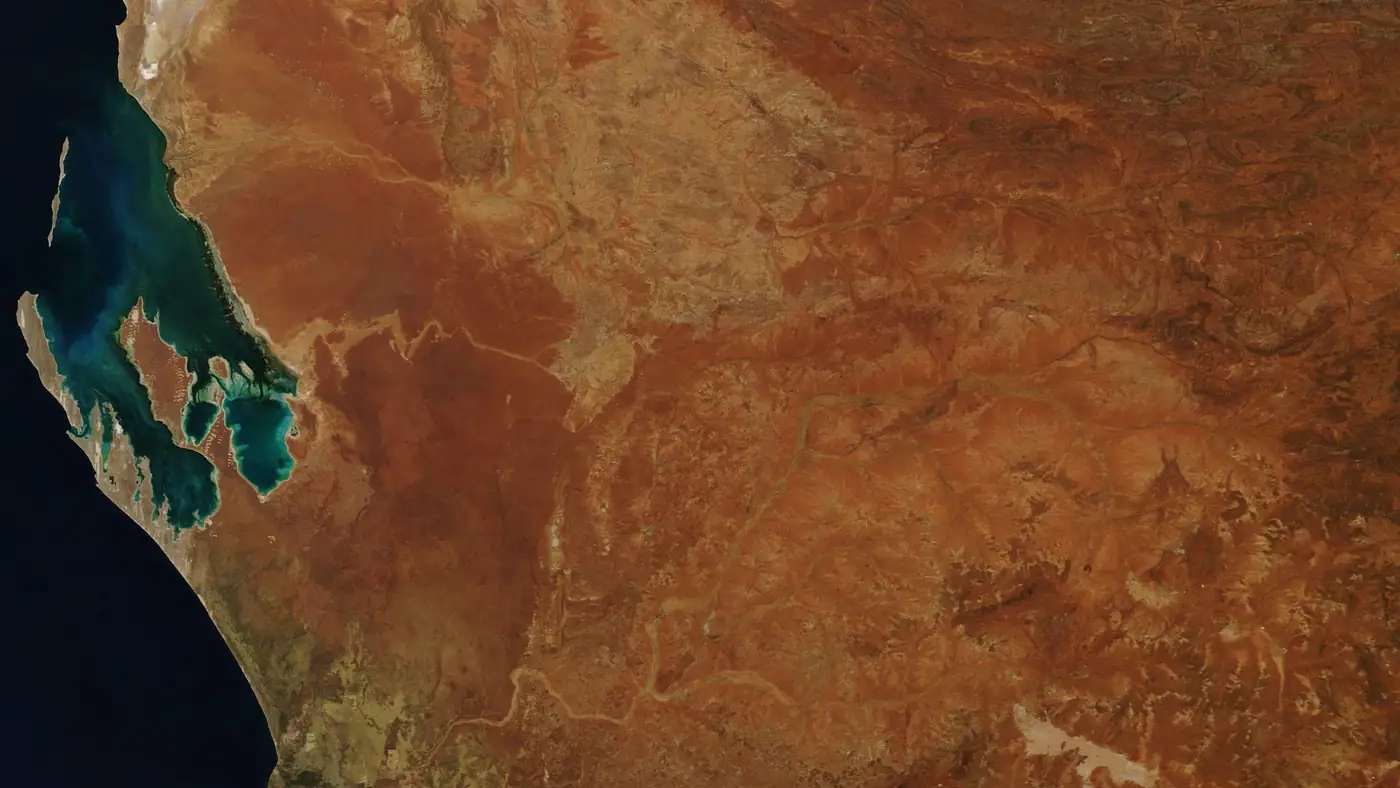
The Bureau of Meteorology's summer outlook lands in late October, with El Nino at near-record levels and a positive Indian Ocean Dipole likely to develop.