
Sydney Tech: 5G Network Expansion: Sydney's 5G network expansi
Sydney's 5G network expansion is accelerating as coverage improves, with major providers expanding across the metropolitan area and bringing faster speeds.
5 min read

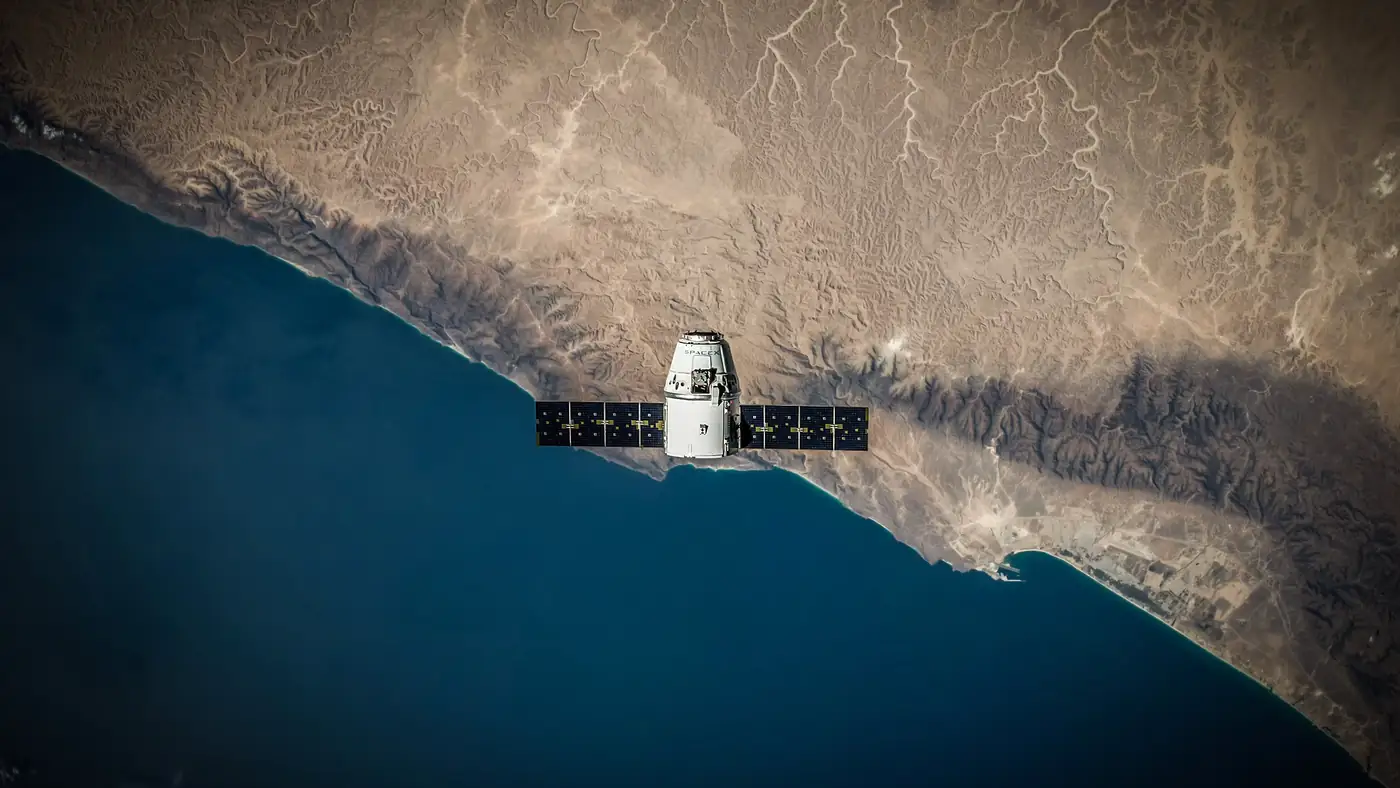
Sydney has emerged as a hub for space startups that build satellite operations software, earth observation platforms, and space infrastructure components.
Tech & Ideas Desk is a contributing writer covering tech and public affairs for The Sydney Times.
The commercial space industry is no longer the exclusive domain of governments and billionaires. Sydney has emerged as a hub for space startups that build satellite operations software, earth observation platforms, and space infrastructure components. The ecosystem is small compared with Silicon Valley or Berlin, but it is growing fast, supported by both private capital and state government innovation programmes.
The Australian Space Agency, based in Adelaide, sets national policy and distributes federal grant funding, but Sydney's strength is in software and systems integration rather than launch infrastructure. The city's space companies cluster around the university precincts in Kensington and Camperdown, where engineering and physics graduates from UNSW and the University of Sydney provide a steady talent pipeline.
Saber Astronautics, one of the best-known Sydney space companies, operates from offices in Surry Hills and Boulder, Colorado. The company builds mission control software and space domain awareness tools that help satellite operators track space debris and avoid collisions. Its customers include commercial satellite operators, government agencies, and defence organisations. The company's Space Cockpit platform provides a graphical interface for monitoring satellite health, planning manoeuvres, and coordinating with ground stations, reducing the operational burden on small satellite constellations that do not have the resources of large operators like SpaceX.
The growth of Sydney's space ecosystem is tied directly to the small satellite boom. Satellites weighing less than 500 kilograms now account for the majority of launches, driven by advances in miniaturised electronics and cheaper launch services. Companies like Rocket Lab, which launches from New Zealand, and SpaceX's SmallSat Rideshare programme have reduced the cost of reaching orbit from tens of millions of dollars to hundreds of thousands. That price collapse has opened the market to smaller operators, including several Sydney-based startups building payloads and satellite operating systems.
Space Machines Company, founded in Melbourne but with strong Sydney operational ties, is developing a space tug that repositions satellites after launch and extends the operational life of constellations deployed in the wrong orbit. The company raised AUD 10 million in seed funding in 2025 and is targeting a demonstration mission in 2027. The space tug addresses a specific inefficiency in the small satellite market: many constellations launch into lower orbits than optimal because launch providers charge premiums for precise orbital insertion. A space tug that corrects the orbit after deployment reduces the total cost of ownership for satellite operators.
The NSW Government has identified the space sector as a growth opportunity, with the state's innovation and industry development agencies providing grants and co-working space to early-stage space startups. The support is modest compared with the federal programmes administered by the Australian Space Agency, but it is targeted at the specific needs of software-focused space companies that do not qualify for hardware manufacturing grants.
The federal government's Space Infrastructure Fund has allocated AUD 150 million over four years for ground station infrastructure, launch facilities, and satellite manufacturing capability. Sydney companies are well positioned to benefit from the ground station component, because the city's geographic location provides good visibility to both low Earth orbit and geostationary satellites. Several Sydney startups are developing ground station software and antenna control systems that allow smaller operators to share ground station resources rather than building their own.
The University of Sydney's Space Engineering programme and UNSW's Australian Centre for Space Engineering Research are producing graduates with the specialised skills that space companies need. The programmes cover orbital mechanics, satellite communications, and space systems engineering, with practical projects that involve designing and building small satellites. The university's CubeSat programme has launched several student-built satellites, providing hands-on experience that is directly transferable to commercial space work.
The talent pipeline is a competitive advantage for Sydney because it reduces recruitment costs for space startups that would otherwise need to import engineers from overseas. The concentration of space expertise in Sydney is also attracting international companies that want to establish Australian operations. Saber Astronautics opened its Sydney office partly because the city has the engineering talent it needs, and partly because the time zone overlap with both US West Coast and Asian operations is convenient for a company that operates mission control centres around the clock.
Australia's space startup ecosystem is small compared with the United States, United Kingdom, and France, but it has carved out a niche in space domain awareness and satellite operations software. The competitive advantage is partly the result of geography: Australia's position in the Southern Hemisphere provides coverage of orbital slots that are less monitored by Northern Hemisphere operators, and the country's vast land area provides plenty of remote locations for ground stations. The disadvantage is scale: Australian space startups have limited access to domestic customers, and they need to export early to achieve sustainable revenue.
The commercial space market is consolidating around a small number of large platform providers, including SpaceX, Amazon's Project Kuiper, and Eutelsat Quantum. Sydney's space startups are positioning themselves as specialised suppliers rather than platform competitors, building tools and components that integrate with the major constellations rather than replacing them. The strategy is pragmatic, because the capital required to launch a competing satellite constellation is beyond the reach of Australian venture capital, but the market for supporting software and components is large enough to support multiple profitable companies.
For more on Sydney's tech ecosystem and emerging industries, see Tech & Ideas.
For the Australian Space Agency's space industry strategy, see Australian Space Agency. Saber Astronautics' mission control platform details are at Saber Astronautics. UNSW's space engineering research is published at UNSW.
Direct inquiries, corrections, or documentation concerning this dispatch to our editorial newsroom desk.
Sydney's 5G network expansion is accelerating as coverage improves, with major providers expanding across the metropolitan area and bringing faster speeds.

Sydney's quantum computing sector is attracting significant investment and talent, with startups and research institutions driving major breakthroughs.

Sydney businesses are increasingly migrating to cloud infrastructure, driven by falling migration costs and the need for scalable, flexible IT solutions.

Sydney businesses face increasing cybersecurity threats as attack volumes rise. The surge in cyberattacks is prompting organisations across the metropolitan.