
Sydney City: Western Sydney Airport: Western Sydney Airport is
Western Sydney Airport is preparing for its first full year of operations as a cornerstone of western Sydney's economic and transport transformation.
6 min read

Both tunnel boring machines are now underground and carving towards Waverton, marking the start of the final harbour crossing for the Western Harbour.
The City Desk is a contributing writer covering city and public affairs for The Sydney Times.
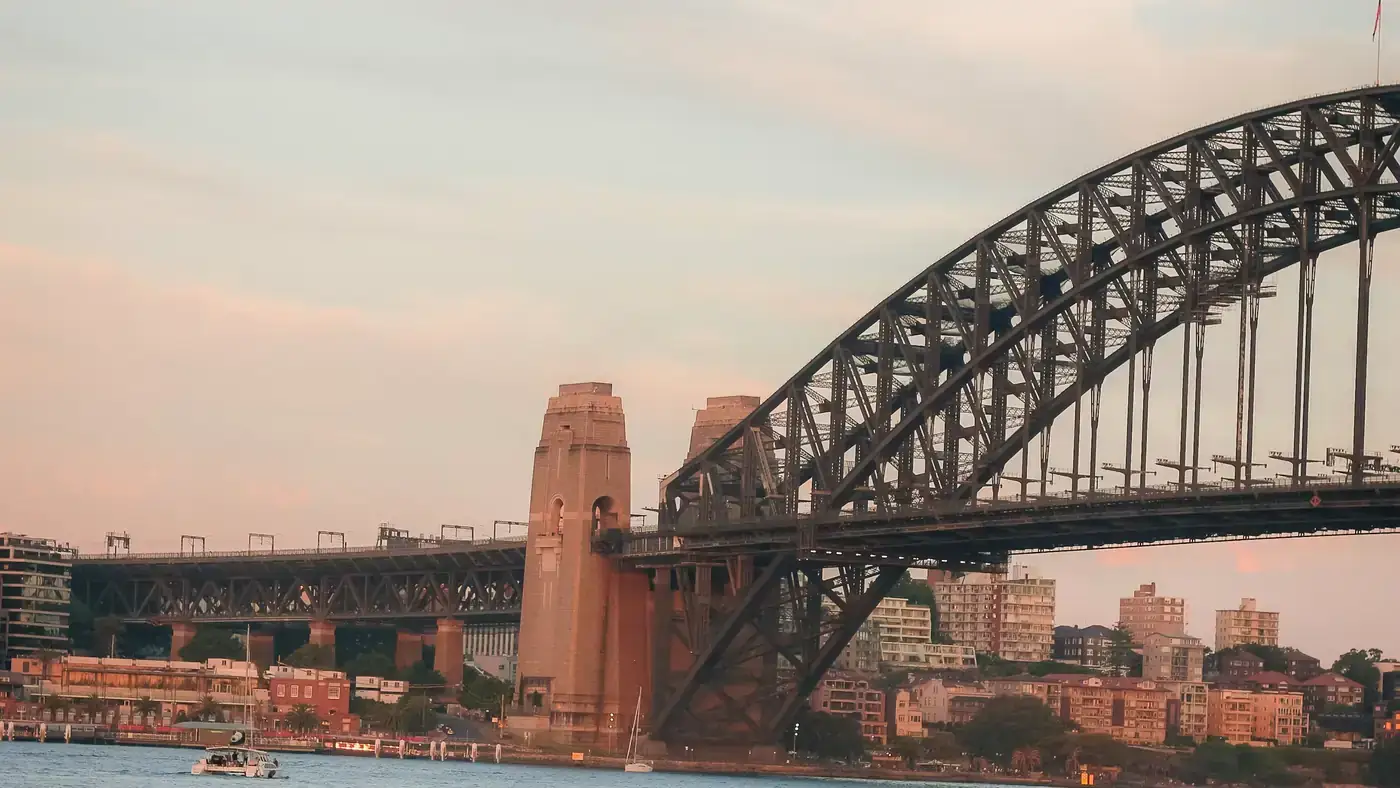
Both tunnel boring machines are now underground and carving towards Waverton, marking the start of the final harbour crossing for the Western Harbour Tunnel after more than two years of underground assembly and testing.
TBM Barangaroo launched 44.7 metres below Birchgrove Oval in mid-August and has begun excavating the remaining 1.5 kilometres of twin motorway tunnels beneath Sydney Harbour. Its sister machine, Patyegarang, started tunnelling in July. Together the pair will complete the last stage of excavation for the 6.5-kilometre Western Harbour Tunnel, which is being built in two stages by Transport for NSW.
The tunnel remains on track to open to traffic in 2028. Transport for NSW has not published a detailed commissioning timetable, but mechanical and electrical fit-out is progressing in parallel with the final harbour excavation. The Berry Street on-ramp in North Sydney is nearing completion, and works continue on the Rozelle Interchange connection.
The machines measure 15.7 metres in diameter and weigh 4,350 tonnes each, making them the largest tunnel boring machines ever assembled underground and the largest used in the Southern Hemisphere. Both were manufactured by CREG in Zhengzhou, China, before being delivered in components through the existing Stage 1 tunnels for underground assembly. Assembly of Patyegarang began in November 2025, followed by Barangaroo in January 2026.
Factory acceptance testing was carried out at CREG's facility in Zhengzhou in 2025, with Patyegarang tested in April and Barangaroo in July. The machines were then disassembled and shipped to Sydney, where they were reassembled entirely underground in specially prepared chambers at Birchgrove.
As they advance, the machines will install around 13,000 pre-cast concrete segments and 1,300 20-tonne culverts manufactured at a dedicated facility in Emu Plains. Each segment weighs roughly 15 tonnes. During launch, each machine constructs three tunnel rings before pushing through the launch chamber wall. The TBMs will operate around the clock and reach depths of up to 50 metres below sea level. Around 40 workers will operate each machine at any one time, using a 20-electric-motor cutterhead delivering almost 48,000kNm of torque and 60 hydraulic rams generating more than 20,000 tonnes of thrust.
Named after prominent Aboriginal women and adorned with Indigenous artwork, Patyegarang and Barangaroo represent a significant cultural dimension to the engineering works. The machines are supported by an underground slurry treatment plant capable of pumping up to three million litres of slurry per hour to each boring machine face, keeping it stable while it excavates through Sydney Harbour's soft marine sediments.
Transport for NSW reported in August that mechanical and electrical work is progressing on lighting, traffic-monitoring cameras and signage. The Berry Street on-ramp is nearing completion. These works show why the final stage of tunnelling and the final stage of the project are not the same thing.
When the TBMs break through, crews will create cross passages roughly every 130 metres to connect the two tunnels. Remote-controlled rock breakers will carry out this work progressively behind the machines, with each cross passage taking about three weeks to complete. The lining operation is substantial: the project expects the two TBMs to install approximately 13,000 precast concrete lining segments and 1,300 culverts weighing 20 tonnes each.
By August, overall excavation was at 81.35 per cent complete, according to the latest NSW Government update. More than half of the civil fit-out of tunnels and cross passages between Lilyfield and Birchgrove had been completed, with mechanical and electrical fit-out already under way. The civil package includes drainage, power, lighting, ventilation, road signs, fire-safety measures, tolling and Intelligent Transport Systems.
The tunnel will connect the Warringah Freeway at North Sydney with WestConnex at the Rozelle Interchange, providing a seamless bypass of the CBD. Stage 2 of the project is being delivered by ACCIONA under a $4.24 billion contract awarded by Transport for NSW in December 2022.
According to the Transport for NSW Western Harbour Tunnel project summary, the tunnel is forecast to reduce congestion on the existing harbour crossings and improve travel times across Sydney's motorway network. For more context on major Sydney infrastructure projects, see The City.
For technical details on the TBM specifications, see the Tunnelling Journal Western Harbour Tunnel report. The project remains in public hands and is funded through the NSW Government's infrastructure pipeline.
Direct inquiries, corrections, or documentation concerning this dispatch to our editorial newsroom desk.
Western Sydney Airport is preparing for its first full year of operations as a cornerstone of western Sydney's economic and transport transformation.

The trial runs will use the existing Metro North West Line rolling stock, with driverless trains tested on the new track between Sydenham and Bankstown.

Western Sydney hospitals receive a $38 million health package boost. The funding will support critical infrastructure upgrades and expanded services.
The Bureau of Meteorology's summer outlook lands in late October, with El Nino at near-record levels and a positive Indian Ocean Dipole likely to develop.