
Sydney Business: Startup Funding Year-End
Sydney's startup funding is wrapping up a strong year with record investment levels. The city's innovation ecosystem has attracted significant venture
6 min read

A ban on excessive supermarket pricing took effect on 1 July 2026, but covers only retailers above $30 billion. Coles and Woolworths are in, Aldi is not.
The Business Desk is a contributing writer covering business and public affairs for The Sydney Times.
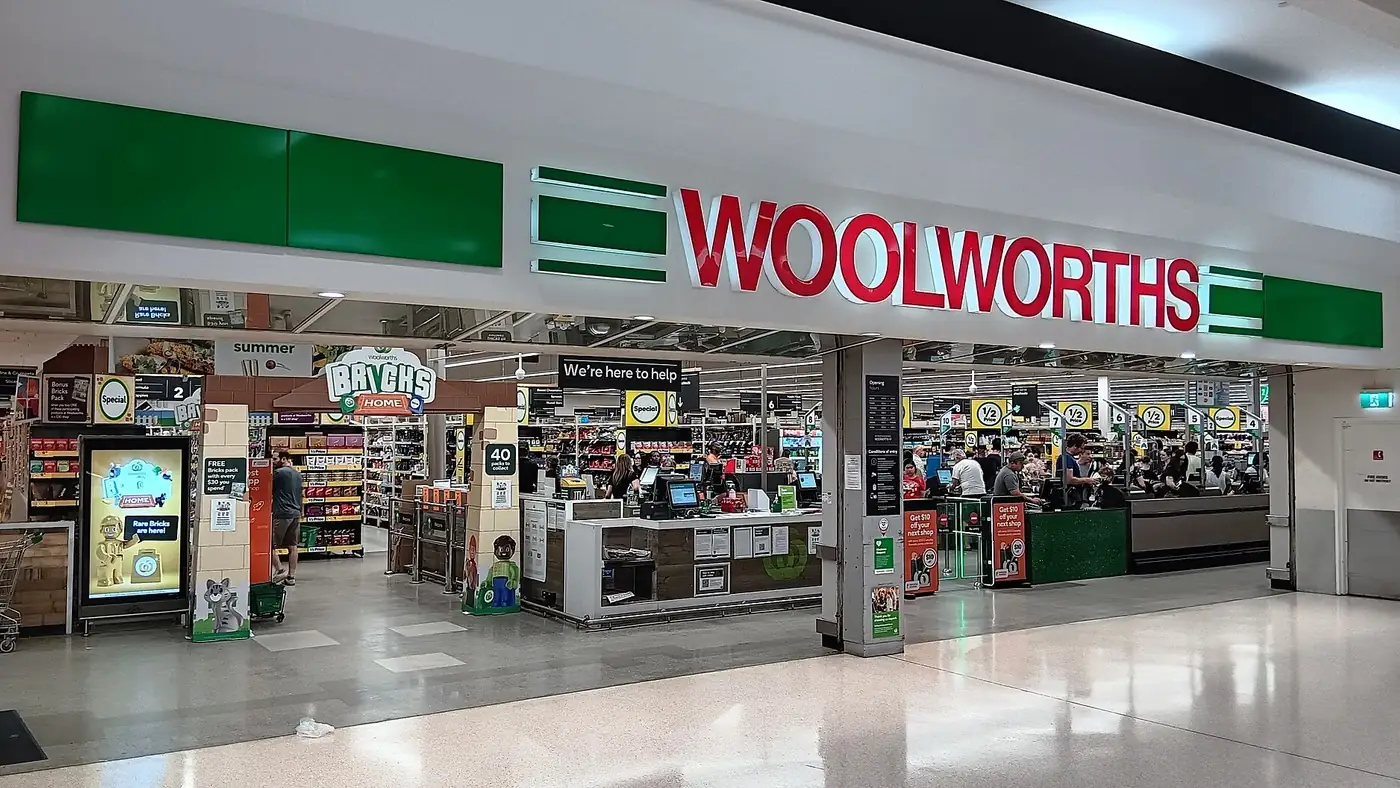
Two companies can now be prosecuted for charging excessive prices for groceries in Australia. The prohibition took effect on 1 July 2026 and applies to retailers with annual Australian turnover above $30 billion, which means Coles and Woolworths fall inside it and Aldi, IGA and every other chain fall outside.
That threshold is the whole argument in one number. The Independent Review of the Food and Grocery Code of Conduct recommended in June 2024 that the Code apply to supermarkets with annual Australian revenue of $5 billion. The enacted figure is six times higher.
The rules were announced on 14 December 2025 and implemented through new Division 4A of the Food and Grocery Code of Conduct, adding a notification duty, the prohibition itself at section 45B, and record-keeping requirements at 45C.
The ACCC published compliance and enforcement guidelines in late June 2026. There is no fixed threshold for an excessive price. Instead the regulator assesses whether pricing was "significantly excessive" compared to the cost of supply plus a reasonable margin, weighing all relevant circumstances. Retailers must retain pricing and cost information for three years, and the ACCC can compel production through notices within 21 days.
Penalties for a body corporate are the greater of $10 million, three times the value of the benefit obtained, or 10 per cent of adjusted turnover in the 12 months ending at the end of the relevant month.
ACCC chair Gina Cass-Gottlieb said the regulator's "initial focus for the prohibition will be on monitoring Coles and Woolworth's pricing information to ensure they comply with their obligations," and invited consumers and suppliers to report concerns. The ACCC has said it will publish the initial focus products it examines.
The first major test is already before the Federal Court. In May 2026 Justice Michael O'Bryan found 13 of 14 "Down Down" promotional tickets misleading, because the products were not sold at the advertised "was" price for a reasonable period. The proceedings covered 245 common household items across February 2022 to May 2023, and the Court found Coles had not sold the goods at the higher price for the required 12 weeks.
Only one ticket, on Nature's Gift dog food, was found not misleading, because it had no prior "was" price. Penalty orders were reserved to a later date, so the financial consequence is not yet quantified. Woolworths faces parallel proceedings with judgment reserved.
The government's own announcement said it is "making the Food and Grocery Code mandatory with multi-million-dollar penalties for serious breaches." What is actually in force is a prohibition inside a voluntary industry code, administered under the general Competition and Consumer Act powers. Parliament has not enacted the mandatory Code.
That distinction matters for suppliers, who hold the cost data needed to assess whether a price is excessive. The ACCC's compliance guidelines note the prohibition "is unique to the domestic context in Australia. It is different to legislative frameworks in other jurisdictions," an acknowledgement that it has no international precedent to lean on.
Market structure gives the two covered retailers the scale to be worth prosecuting. ACCC estimates from its supermarkets inquiry put Woolworths at 38 per cent of national grocery sales and Coles at 29, with Aldi at 9 per cent and Metcash at 7 per cent.
The regulator's compliance and enforcement priorities for 2026-27 name competition issues in supermarket and retail sectors focusing on firms with market power and conduct affecting small business, and consumer concerns with a focus on "misleading pricing practices."
Ms Cass-Gottlieb told the Committee on Economic Development in February 2026 that the ACCC would prioritise "manipulative and false practices, and unsafe consumer goods, in digital markets," specifically naming "subscription traps and other dark patterns," and argued for "right-sized regulation" through "service-specific codes of conduct targeted to the few platforms and critical intermediary services that exhibit market power."
The digital competition regime remains the counterpoint: the ACCC's digital platform services inquiry delivered 35 recommendations in June 2025, and as at late September 2026 no exposure draft had surfaced.
Guidance and enforcement material sits with the ACCC. Our Business desk covers the economy, and Tech and Ideas tracks the digital competition debate.
Direct inquiries, corrections, or documentation concerning this dispatch to our editorial newsroom desk.
Sydney's startup funding is wrapping up a strong year with record investment levels. The city's innovation ecosystem has attracted significant venture

The ASX year-end review shows mixed results as global economic conditions shift. Australian equities have navigated a complex landscape of interest rate

Sydney's export trade is showing resilience as global demand shifts. The city's diverse export base is helping it weather international economic

The ASX is showing mixed signals as global economic conditions shift. Investors are navigating uncertainty as international markets react to changing