
Sydney Guides: Sydney for Students
A comprehensive guide to Sydney for students, including universities, accommodation, and costs. Sydney is home to some of Australia's most prestigious
7 min read

The AER's 2026-27 default offer cut NSW prices 3.4 to 5.0 per cent, but only 8 per cent of households are on it. The real change is tariff caps.
The Business Desk is a contributing writer covering guides and public affairs for The Sydney Times.
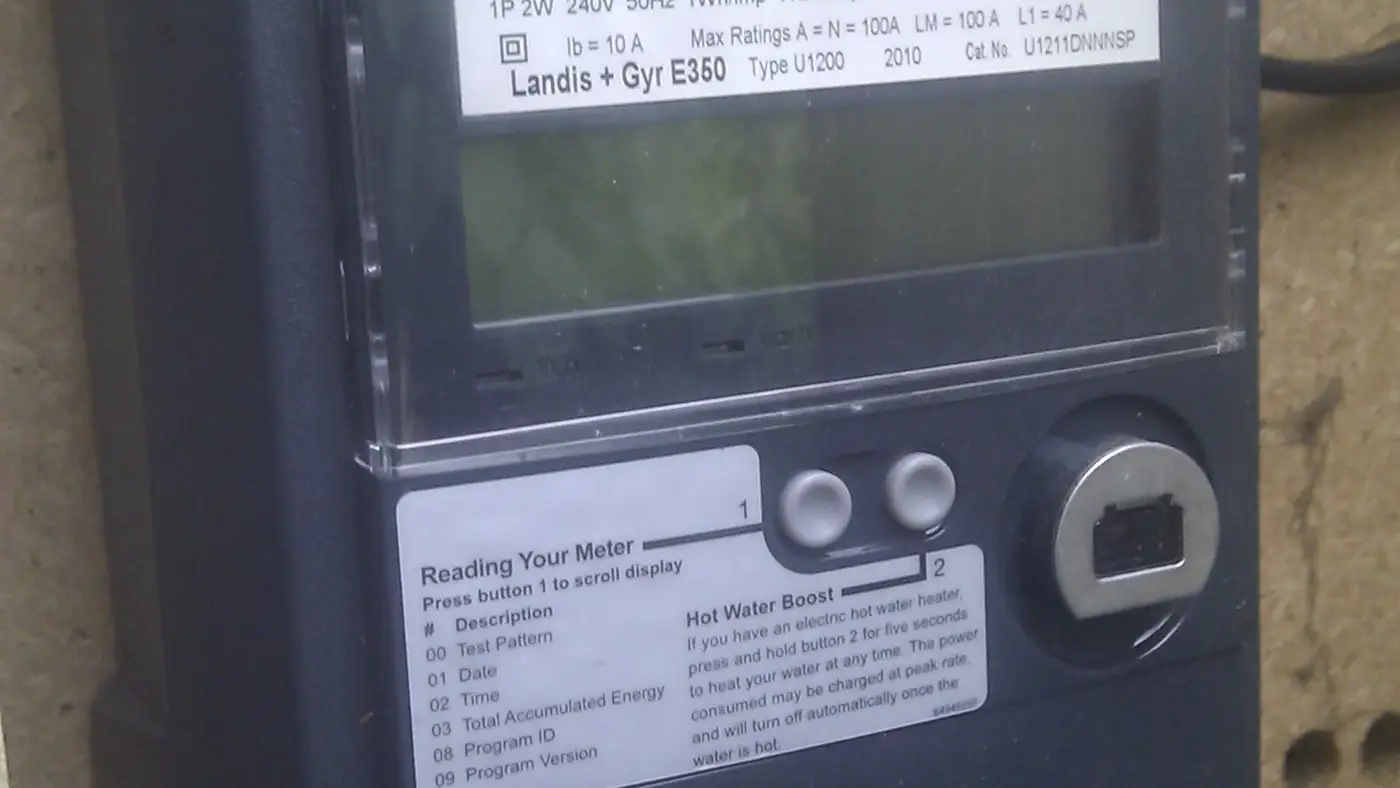
The Australian Energy Regulator released its final Default Market Offer for 2026-27 on 26 May 2026, effective from 1 July 2026 to 30 June 2027. NSW residential prices fell between 3.4 and 5.0 per cent. Almost nobody is on that price.
Only 8 per cent of households and 15 per cent of small businesses remain on the default offer, with roughly 9 per cent on standing offers more generally. The headline reduction applies to a small minority directly, and the structural change for everyone else is that tariff rates are now regulated.
Residential flat rate annual prices for 2026-27:
Small business flat rates came down further, between 9.0 and 11.3 per cent. Ausgrid small business is $4,523, Endeavour $4,343 and Essential $5,517.
Time-of-use residential prices in NSW fell 3.7 to 7.7 per cent, and small business time-of-use fell 9.4 to 20.9 per cent. South Australia residential rose 1.4 per cent while South East Queensland residential fell 7.2 per cent, so the movement is not uniform.
Note the usage assumptions differ between retailers. Comparing the headline prices directly understates what an Ausgrid customer pays relative to an Essential customer partly because the reference consumption levels are not the same.
This year the AER sets capped daily supply charge rates and usage rates in addition to the annual price. Previously retailers could set their own tariffs and adjust them to hit the annual figure, which made it hard to compare plans on any basis other than the headline.
A new regulated tariff category also arrives. The Solar Sharer Offer is a time-of-use standing offer for residential smart meter customers that includes a designated three-hour free usage period, capped at 24 kWh a day, with usage above the cap charged at a regulated excessive usage rate. Twenty-four kilowatt hours is roughly a day of usage for a five-person household, and the offer will not suit households with heavy evening or overnight load.
Retailers with more than 1,000 customers across all DMO regions must offer a Solar Sharer standing offer, which in practice means at least two standing offers, a non-Solar-Sharer default plus the opt-in. Smaller retailers are exempt.
Energy Made Easy is the AER's comparison service and operates in NSW, Queensland, South Australia, Tasmania and the ACT. It does not cover Victoria, which runs its own Victorian Energy Compare scheme and its own default market offer. Victorian comparisons need the Essential Services Commission of Victoria as the source, not the AER documents above.
If you are on the default offer or a standing offer, switching is where the 2026-27 numbers reach you. Retailers update new plans into the tool within two days, so figures move during the year.
The determination and retailer obligations are published by the AER, and comparisons run through Energy Made Easy. Our guides desk covers household finance systems.
Direct inquiries, corrections, or documentation concerning this dispatch to our editorial newsroom desk.
A comprehensive guide to Sydney for students, including universities, accommodation, and costs. Sydney is home to some of Australia's most prestigious

A comprehensive guide to Sydney for families, including schools, parks, and activities. The city offers an exceptional range of family-friendly

A comprehensive guide to moving to Sydney, including neighbourhoods, transport, and costs. The guide covers everything you need to know about relocating
The statewide scheme lets renters transfer bonds between tenancies without the landlord knowing anything. RentStart borrowers cannot use it at all.