
Sydney Culture: Sydney Festival 2027: The Create NSW supports
The Sydney Festival 2027 programme is being curated to showcase the best in contemporary and traditional arts, featuring international and local talent.
6 min read

The Museum of Contemporary Art Australia has reopened its permanent collection to the public after a $12 million gallery refresh that created new.
Culture & Escapes Desk is a contributing writer covering culture and public affairs for The Sydney Times.
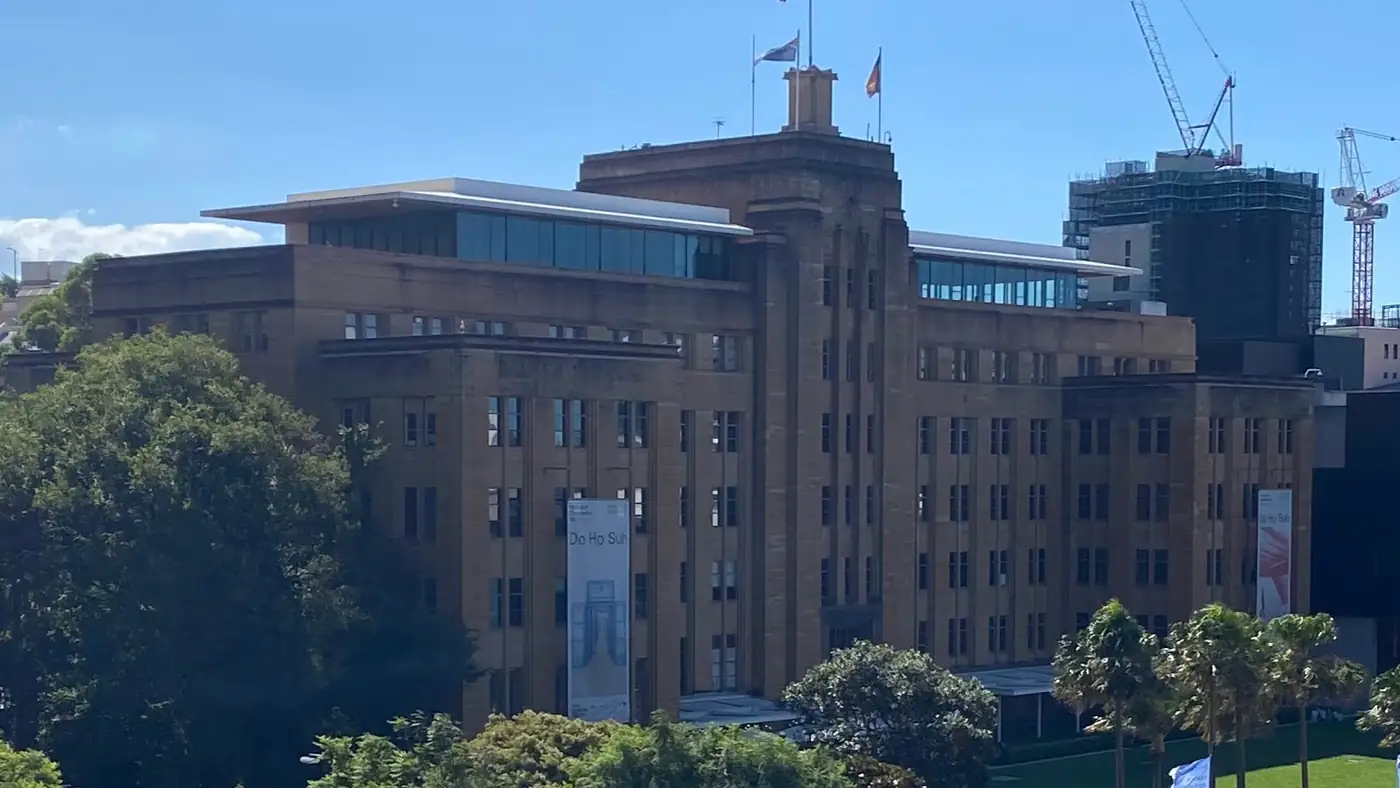
The Museum of Contemporary Art Australia has reopened its permanent collection to the public after a $12 million gallery refresh that created new dedicated spaces for First Nations art and emerging artists. The museum, located at Circular Quay in the historic Maritime Services Board building, has been closed to the public since January 2026 while the ground-floor galleries and the level-one Australian art spaces were rebuilt. The reopening restores free daily access to the museum's core collection, which spans more than 4,000 works by Australian and international artists from the 1970s to the present.
The refresh was designed by the Sydney architecture firm Architectus, working with the museum's curatorial team to create more flexible gallery spaces that can accommodate large-scale installation, moving image and performance work. The ground-floor galleries now include a 400-square-metre temporary exhibition space and a series of smaller rooms for works on paper and photography. The level-one galleries have been reorganised to present the museum's Australian collection in a more chronological and thematic sequence, with a dedicated wing for Aboriginal and Torres Strait Islander art at the entrance.
The most significant change in the gallery layout is the repositioning of First Nations art as the first experience of the permanent collection. Visitors now enter the Australian art galleries through a dedicated space that presents work by Aboriginal and Torres Strait Islander artists from across the country, with an emphasis on contemporary practice rather than historical or ethnographic presentation. The opening display includes paintings by the late Emily Kame Kngwarreye, woven works by the Tjanpi Desert Weavers, and a series of recent video works by artists from the Torres Strait Islands.
The museum's collection of First Nations art has grown substantially in recent years, with acquisitions including the 2022 donation of 23 works by the Yolngu artist Djirrirra Wunuŋmurra and the 2024 purchase of a major installation by the Karrajarri artist Leah King-Smith. The museum has also established a First Nations advisory group that meets quarterly to advise on acquisitions, exhibitions and programming. The group includes artists, curators and community representatives from across New South Wales and the Northern Territory.
The level-one galleries now present the museum's Australian collection in a sequence that moves from the 1970s and 1980s, when the museum was founded, through to contemporary work by artists in their twenties and thirties. The historical section includes works by the pioneering video artist Jill Orr, the photographer Bill Henson and the painter John Olsen, whose murals for the Sydney Opera House are represented in the collection through preparatory sketches and related works. The contemporary section includes paintings by the Archibald Prize-winning artist Vincent Namatjira, installations by the Western Sydney artist Khaled Sabsabi, and a new commission by the Sydney-based artist Justine Varga, who uses photographic processes to explore themes of family, memory and place.
The museum's international collection is displayed on the ground floor, with a rotating program of exhibitions that draw on works by artists from Europe, North America, Asia and the Pacific. The current display includes paintings by the German artist Gerhard Richter, sculptures by the Japanese artist Yayoi Kusama, and a series of photographs by the American artist Cindy Sherman. The international collection is smaller than the Australian collection, but it provides a context for understanding the Australian work in relation to global contemporary art movements.
The museum's reopening program includes a series of free public events running through the end of 2026. The program includes weekly guided tours of the permanent collection, artist talks in the ground-floor auditorium, and a series of hands-on workshops for children and families. The museum's education team has also developed a new program for secondary school students that uses the collection to teach skills in visual analysis, critical thinking and creative practice. The program is aligned with the NSW Education curriculum and is offered free to schools in the greater Sydney region.
The museum is open daily from 10am to 5pm, with late opening until 9pm on Wednesday evenings. Entry to the permanent collection is free, and entry to major temporary exhibitions is priced between $15 and $25 for adults. The museum is accessible via the Circular Quay train, ferry and light rail stations, and the building has lift access to all levels. The museum's cafe, located on the ground floor, serves light meals and coffee with views across Circular Quay to the Harbour Bridge.
The Museum of Contemporary Art Australia is located at 140 George Street, The Rocks, Sydney NSW 2000. For current exhibitions, opening hours and accessibility information, visit mca.com.au. Explore more Sydney arts and culture at the Culture & Escapes hub.
Direct inquiries, corrections, or documentation concerning this dispatch to our editorial newsroom desk.
The Sydney Festival 2027 programme is being curated to showcase the best in contemporary and traditional arts, featuring international and local talent.

With dates confirmed and Expressions of Interest open, the festival is already generating excitement across the arts community and among visitors.

The programme features productions at the Sydney Opera House, the Wharf Theatre, and the Seymour Centre, alongside independent venues across the city.
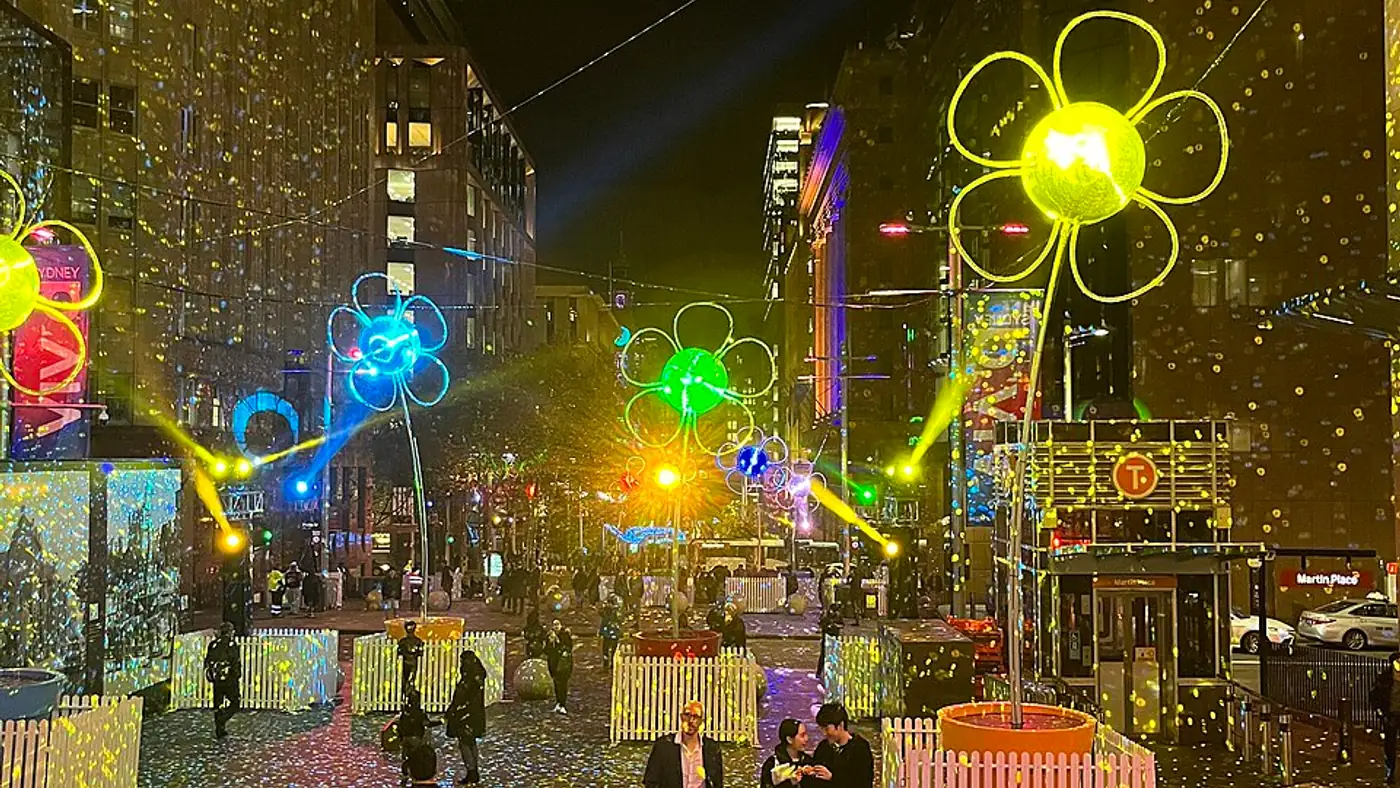
Vivid Sydney 2026 opens across Circular Quay and the CBD, featuring 90 light installations and projections from artists across five continents.