
Sydney Culture: Sydney Festival 2027
Sydney Festival 2027 is shaping up to be one of the most ambitious cultural events yet. The festival programme promises to bring world-class
6 min read

Sydney Architecture Design Week returns with 120 venues, 41 free events and a focus on adaptive reuse, circular materials and low-carbon retrofit.
Culture Desk is a contributing writer covering culture and public affairs for The Sydney Times.
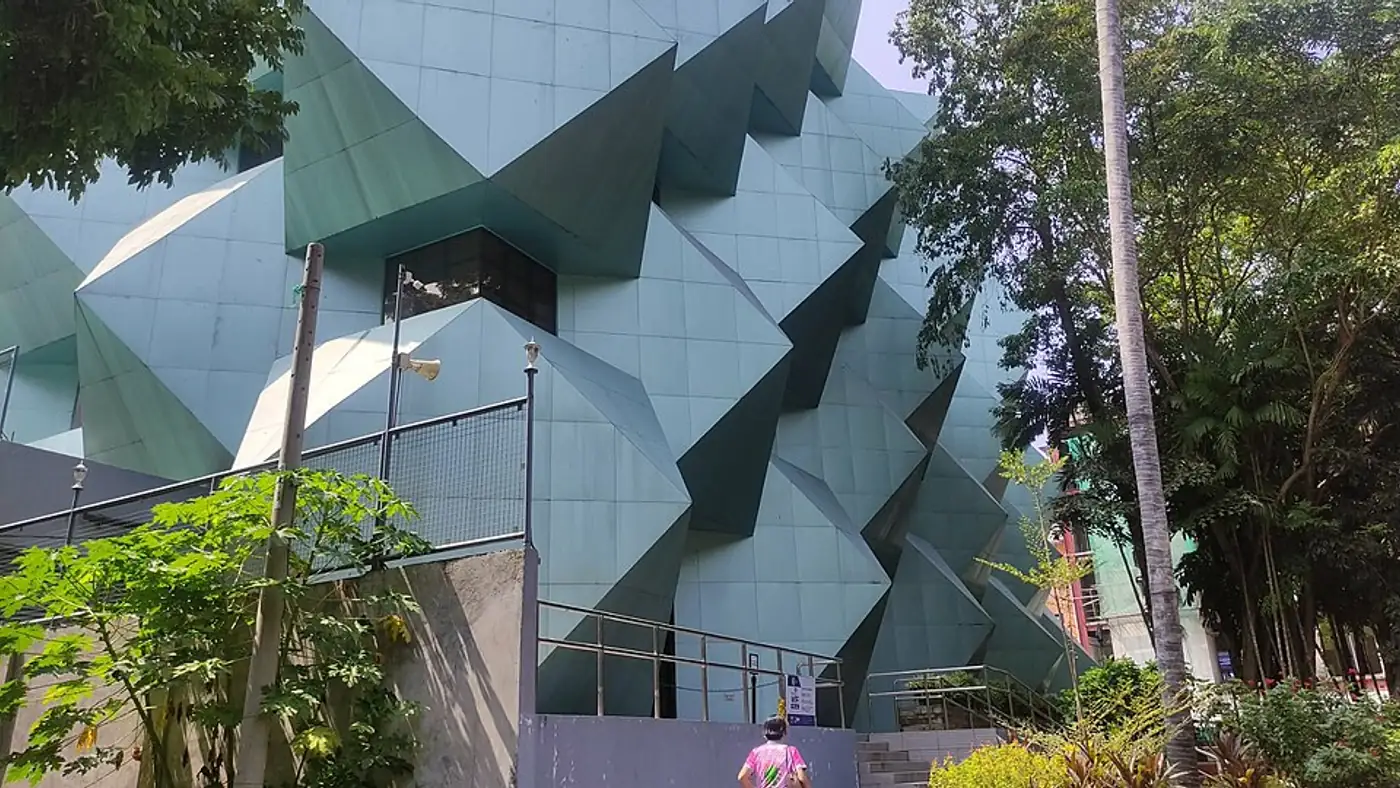
Sydney Architecture Design Week returns to the city this week with 120 participating venues, the largest programme since the festival began touring post-pandemic precincts, and a curatorial theme that has moved decisively away from the renderings that dominated the 2020s.
The 2026 edition is curated under the banner "Keep What We Have". Rather than treating new construction as the default answer, the curatorial team has asked 120 practices, councils and institutions to show work that extends the life of buildings already standing.
Organisers say 62 per cent of this year's exhibiting projects involve a building over fifty years old. Eleven are post-war commercial structures, seven are brick factories or warehouses, and four are government buildings facing disposal or long-term vacancy.
That shift is not purely aesthetic. Embodied carbon in concrete and steel framing is now the largest single component of a typical commercial project's footprint, and retrofit strategies that avoid demolition are increasingly being modelled as the cheapest pathway to meeting embodied emissions targets.
The programme spreads across 22 precincts, from the studio-heavy pockets of Surry Hills and Alexandria to industrial edges in Mascot, Botany and Bexley. Central Sydney carries 34 venues, the largest cluster in the festival's history.
Of the 120 venues, 41 charge nothing. Free entry applies to all public exhibitions, the open-studio weekends, the material library at Darling Harbour, and the nightly talks in the big sheds.
Three anchor sites anchor the southern end of the map. A former wool store in Surry Hills hosts a full-building retrofit exhibition with the original 1920s timber trusses left exposed. A grain terminal in Botany demonstrates load-path strengthening in a space too large for conventional exhibition build-ups. And a 1960s office block in Chatswood, facing demolition application, opens three floors to show what a considered retrofit would cost against the developer's proposed rebuild.
Night programming runs Thursday to Saturday, with 28 venues keeping doors open past 9pm.
The festival has published nine walking and cycling routes, the longest covering 14 kilometres from Marrickville to Millers Point. Each route is designed for two to three hours at a comfortable pace and avoids the steepest climbs on the harbour's western edge.
Public transport remains the easiest option. Light rail services through Surry Hills, Darling Harbour and Chatswood all land within a short walk of at least 20 venues, and the festival has negotiated a free weekend travel cap on the inner-west light rail and the Inner West Buses routes that run through Newtown and Marrickville.
The accessible route covers 17 venues with step-free entry, accessible toilets, induction loops at all ticketed talks, and two venues offering Auslan interpretation on request. Those two are the Surry Hills wool store and the Chatswood office block.
Several projects this year were commissioned by landlords rather than architects, and the festival has leaned into the awkward economics of that relationship. A panel on Tuesday examines who pays for upgrade works when the lease has eleven years to run, with a building-services engineer, a property fund manager and a tenants' union adviser.
Another session covers the paperwork. Consent pathways for structural change to a building over fifty years old in New South Wales can add eight to fourteen months, and much of that sits with the certification pathway rather than the construction itself. Several exhibitors have published their approval timelines alongside the drawings, an unusual transparency for the profession.
The main lecture series runs at the Utzon Center and a second stage at Darling Harbour, with 19 sessions across the week. Topics include heat-reflective roofing on industrial roofs, the return of load-bearing brick, precast concrete repair, and what happens to a building when its anchor tenant leaves.
The Sydney Design Prize for adaptive reuse carries a $50,000 award and a commissioned commissioning budget for the winning scheme. The judging panel visits shortlisted sites during the week, and members of the public can sit in on the deliberations on Saturday afternoon.
Open studios run across two weekends at 34 sites, including small practices in Marrickville, St Peters and Alexandria working on housing types, retrofit documentation and material testing.
Registration for ticketed lectures is through the festival's programme listings, and the full venue map with opening hours is available from the festival's official listings page.
Direct inquiries, corrections, or documentation concerning this dispatch to our editorial newsroom desk.
Sydney Festival 2027 is shaping up to be one of the most ambitious cultural events yet. The festival programme promises to bring world-class

Vivid Sydney 2027 is shaping up to be one of the most ambitious light festivals yet. With dates confirmed and Expressions of Interest open, the festival

Sydney's theatre season for 2027 is shaping up to be one of the most ambitious yet. The programme features a diverse range of productions spanning
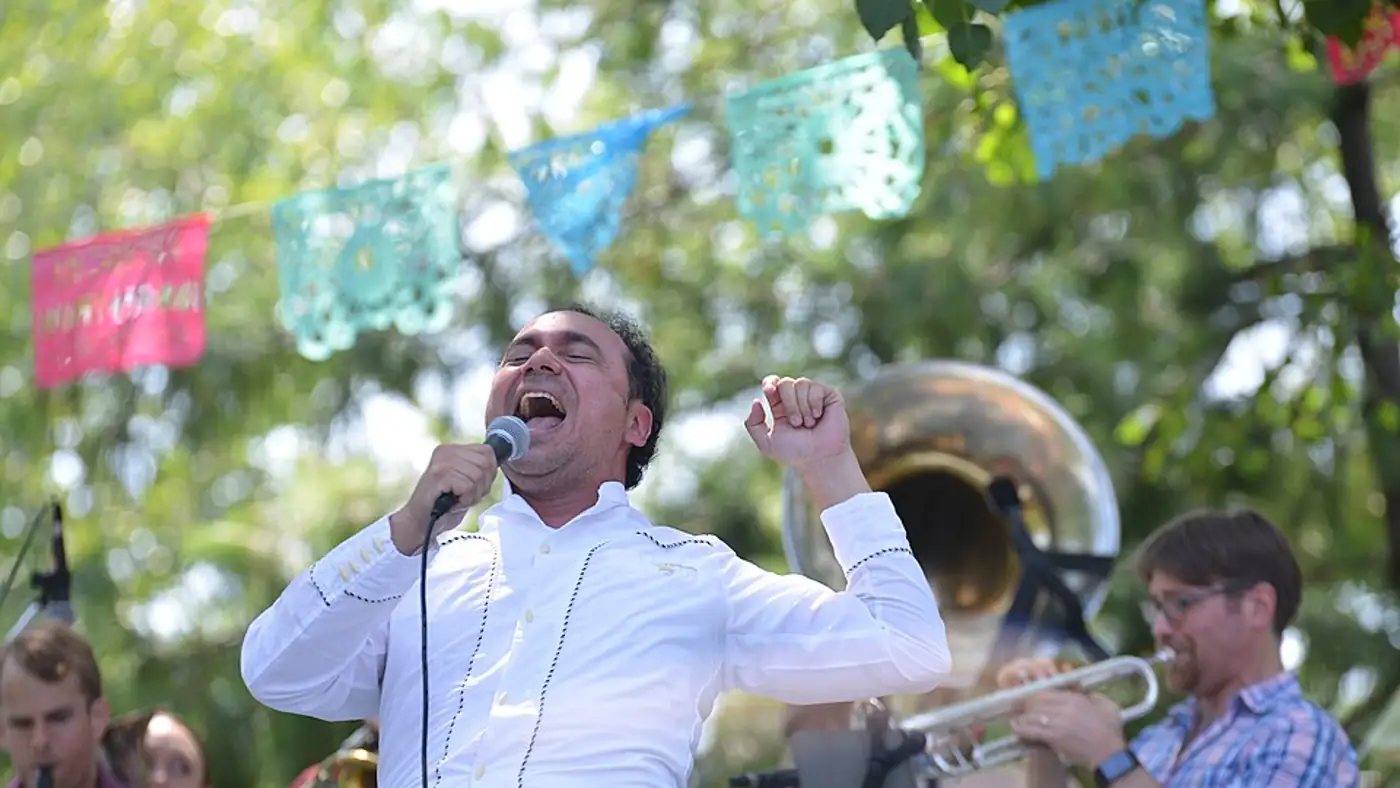
Sydney's best cultural events are packed with festivals, exhibitions, and performances across the metropolitan area. The city's vibrant cultural scene