
Sydney City: Western Sydney Airport: Western Sydney Airport is
Western Sydney Airport is preparing for its first full year of operations as a cornerstone of western Sydney's economic and transport transformation.
6 min read

Transport for NSW is implementing the most significant redesign of Sydney's bus network in more than a decade, creating new cross-city routes.
The City Desk is a contributing writer covering city and public affairs for The Sydney Times.
Transport for NSW is implementing the most significant redesign of Sydney's bus network in more than a decade, creating new cross-city routes that bypass the CBD and connect the inner west directly to the eastern suburbs and the south. The redesign is intended to reduce travel times, ease congestion in the central business district, and provide better connections between suburbs that have historically relied on trains or cars for cross-city travel.
The current bus network was designed around the CBD as the primary interchange point, with most routes running into the city centre before turning back. That structure makes sense for radial trips, but it is inefficient for cross-city journeys that require a trip through the CBD and out again. The redesign replaces the old radial model with a grid of orbital routes that connect major centres without requiring a trip through the city.
The centrepiece of the redesign is a new orbital route that runs from Marrickville in the inner west through to Randwick in the eastern suburbs, passing through Newtown, Camperdown, and the Sydney University precinct. The route follows the path of the old tram line that ran from Dulwich Hill to Bondi Junction until 1961, but it uses modern buses with real-time passenger information, air conditioning, and wheelchair accessibility. The frequency is 10 minutes during peak periods and 15 minutes during off-peak periods, with weekend services running every 20 minutes.
A second orbital route connects Parramatta to the CBD through the inner west, passing through Strathfield, Burwood, and Canterbury. The route provides a direct bus link between Parramatta and the inner west without requiring a train to Central Station and a bus back out again. The journey time is approximately 35 minutes during peak periods, compared with 50 minutes using the existing bus and train combination.
The new routes are fully integrated with the Opal card system, with the same fare structure as trains and ferries. Opal users can transfer between buses and trains within 90 minutes without paying an additional fare, making the new cross-city routes a viable alternative to train journeys that require a trip through the CBD. The integration is seamless for users who already have an Opal card, because the same card works on the new routes without any additional registration or configuration.
Transport for NSW has also introduced a new Opal concession for frequent bus users, offering a 20 per cent discount on fares for users who make more than 10 bus trips per week. The concession is designed to encourage mode shift from cars to buses, particularly in the inner west where parking is limited and traffic congestion is severe. The discount is automatically applied to Opal cards that meet the usage threshold, with no need for users to apply separately.
The redesign includes bus priority measures at 12 key intersections along the new routes, including dedicated bus lanes, traffic signal priority, and queue-jump lanes at bus stops. The priority measures are intended to reduce the impact of traffic congestion on bus journey times, which have been increasing as car traffic returns to pre-pandemic levels. Transport for NSW estimates that the priority measures will reduce peak-period journey times by 10 to 15 minutes on the busiest sections of the new routes.
The bus priority infrastructure includes 3.2 kilometres of new dedicated bus lanes along Parramatta Road and City Road, where traffic congestion is most severe. The lanes are separated from general traffic by painted medians and plastic bollards, with enforcement by mobile speed cameras that detect vehicles that enter the bus lanes during prohibited times. The enforcement is necessary because previous bus lane trials in Sydney have suffered from high rates of illegal use by cars and delivery vehicles.
The redesign has been welcomed by public transport advocates, who have long argued that Sydney's bus network over-relies on the CBD as an interchange. The direct cross-city routes reduce the need for passengers to travel into the city and out again, saving both time and money. The routes also provide better access to employment and education centres in the inner west and eastern suburbs, where many jobs are located outside the CBD.
Some local councils have expressed concerns about the impact of bus priority measures on car traffic and parking. The new bus lanes along Parramatta Road remove parking spaces during peak periods, and the queue-jump lanes at bus stops reduce the availability of kerbside parking for local businesses. Transport for NSW has offered compensation to affected businesses in the form of loading zone permits and pedestrian crossing upgrades, but some business owners argue that the compensation does not offset the loss of customer parking.
For more on Sydney transport and infrastructure, see The City.
For Transport for NSW's bus network updates, see Transport for NSW. Opal card and fare information is at Opal.
Direct inquiries, corrections, or documentation concerning this dispatch to our editorial newsroom desk.
Western Sydney Airport is preparing for its first full year of operations as a cornerstone of western Sydney's economic and transport transformation.

The trial runs will use the existing Metro North West Line rolling stock, with driverless trains tested on the new track between Sydenham and Bankstown.

Western Sydney hospitals receive a $38 million health package boost. The funding will support critical infrastructure upgrades and expanded services.
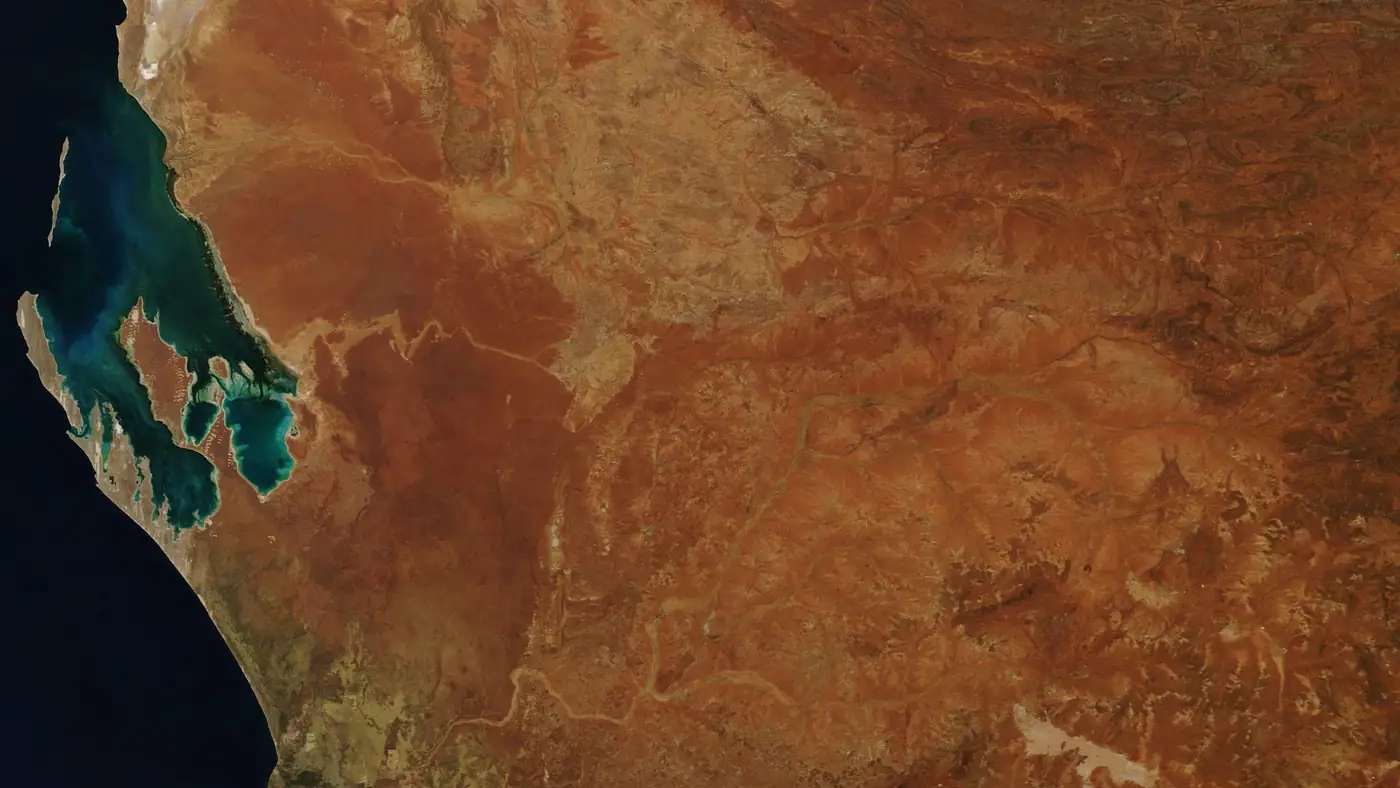
The Bureau of Meteorology's summer outlook lands in late October, with El Nino at near-record levels and a positive Indian Ocean Dipole likely to develop.