Royal Botanic Gardens Sydney Expands Conservation Programs
The Royal Botanic Gardens Sydney is expanding conservation programs targeting native species preservation and climate adaptation strategies.
7 min read

Sydney's live music ecosystem stands at a crossroads. Venues close and licensing tightens, yet artists fight to preserve the city's musical identity.
Culture Desk is a contributing writer covering culture and public affairs for The Sydney Times.
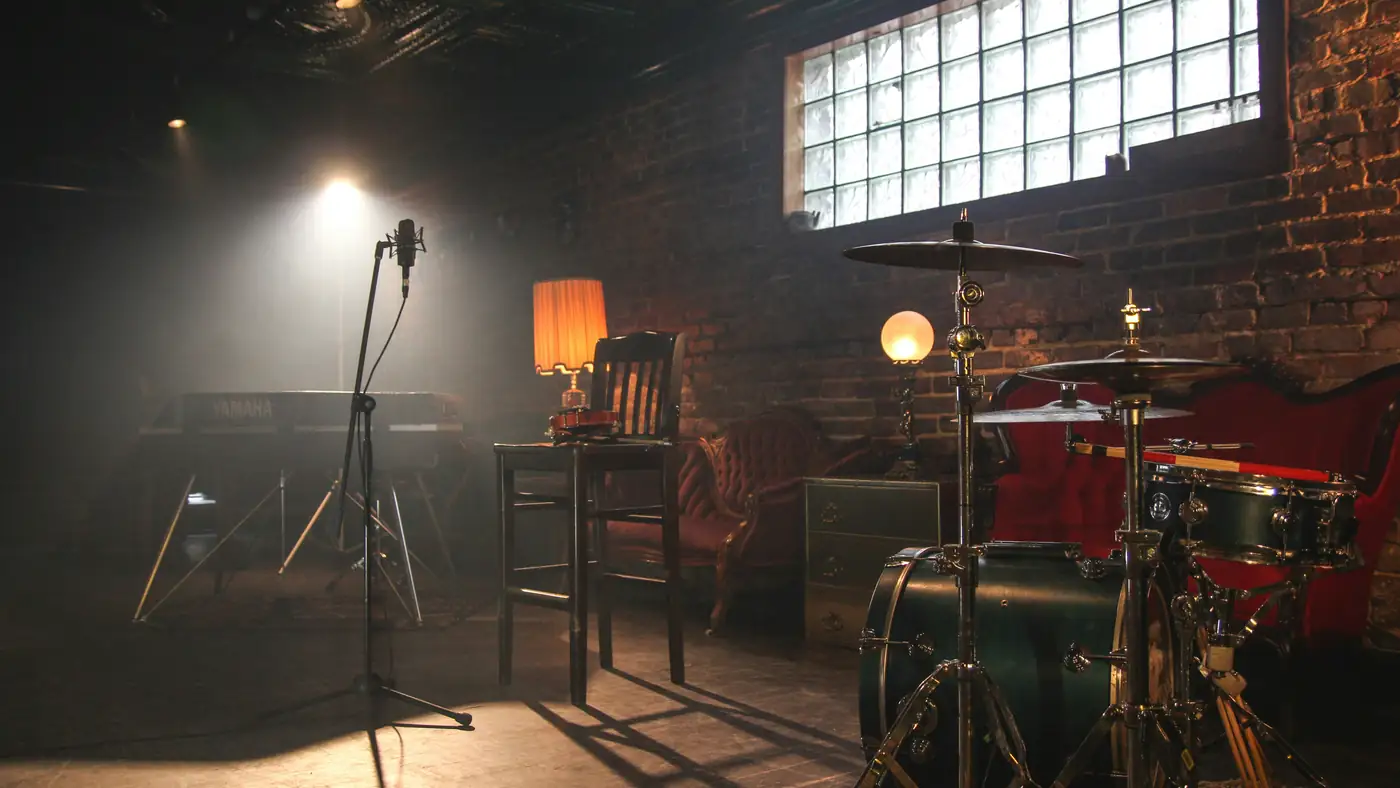
Sydney's live music landscape is contracting. Over the past decade, the city has lost dozens of dedicated music venues to development pressures, noise complaints, and shifting licensing frameworks. The Oxford Street corridor, once a thriving hub for live performance, has seen a steady erosion of venues that hosted both emerging and established acts.
The economic argument for preservation is compelling. Live music contributes an estimated $1.2 billion annually to the NSW economy, according to industry body Live Performance Australia. The sector supports thousands of jobs, from sound engineers and roadies to bar staff and venue managers. Yet policy settings have not kept pace with the industry's needs.
Licensing restrictions present the most immediate obstacle. Many Sydney venues operate under conditional licenses that limit performance hours and audience capacity. The Sydney City Council's development application process has approved numerous rezonings that convert music venues into restaurants and residential apartments. The loss of these spaces is irreversible once planning approval is granted.
The Sydney Opera House, while an iconic global brand, does not substitute for the grassroots venue ecosystem. The Opera House's programming focuses on classical, contemporary, and theatrical performances that cater to a different audience. The city's live music culture thrives in smaller, more intimate spaces that are increasingly difficult to sustain.
A new coalition of artists, venue operators, and cultural advocates is pressing for reform. Their proposals include designated music zones with relaxed licensing conditions, heritage protections for existing venues, and a dedicated cultural infrastructure fund. The NSW Government's Creative Communities strategy acknowledges the challenge but has yet to deliver concrete funding commitments.
The stakes extend beyond economics. A city without live music loses a fundamental dimension of its cultural identity. Sydney's reputation as a creative, vibrant metropolis depends on preserving the spaces where music happens organically, without the filter of corporate sponsorship or institutional curation.
For more on Sydney's cultural landscape, see our Biennale of Sydney review and Sydney Festival 2027 preview. The Carriageworks contemporary arts space represents another pillar of Sydney's creative infrastructure.
Further reading: Live Performance Australia industry report and Sydney City Council arts strategy.
Direct inquiries, corrections, or documentation concerning this dispatch to our editorial newsroom desk.
The Royal Botanic Gardens Sydney is expanding conservation programs targeting native species preservation and climate adaptation strategies.
Vivid Sydney 2026 brings hundreds of light installations across the CBD, with new works illuminating the Harbour Bridge and Circular Quay precincts.
A major new public art gallery has opened in Walsh Bay, transforming the waterfront precinct into a destination for contemporary visual culture.
The New Year's Head coastal walk has attracted record visitor numbers since its opening, becoming one of Sydney's most popular outdoor destinations.