
Sydney Guides: Sydney for Students: The NSW Government provide
A comprehensive guide to Sydney for students, including universities, accommodation, and costs. Sydney is home to some of Australia's most prestigious.
7 min read

Opal fares changed on 1 October 2026 with new daily and weekly caps across trains, metros, buses, ferries and light rail. Here is the complete price table.

Guides Desk is a contributing writer covering guides and public affairs for The Sydney Times.
Opal fares changed on 1 October 2026, with the annual CPI-aligned adjustment lifting single fares by around three per cent and the daily and weekly caps by 50 cents and $2 respectively. Here is the complete price table for every mode.
The adjustment follows the Transport for NSW announcement in September, and it applies to trains, metros, buses, ferries and light rail across the network.
| Mode | Adult single journey | Daily cap | Weekly cap | |------|----------------------|-----------|------------| | Train, metro and light rail (0 to 10 km) | $4.40 | $19.80 | $52.00 | | Train, metro and light rail (10 to 65 km) | $5.20 to $10.20 | $19.80 | $52.00 | | Bus | $4.00 to $6.80 | $19.80 | $52.00 | | Ferry | $7.60 to $10.40 | $19.80 | $52.00 |
Concession cardholders pay a $2.50 daily cap, and children travel at $2.50 on a single journey. The weekly cap resets every Monday.
The daily cap applies across all modes in one day: once you have paid $19.80 in adult fares, further journeys are free until the next day. The weekly cap does the same across a Monday to Sunday week, so a daily commuter on the new Bankstown metro line pays no more than $52 for the week, regardless of trips.
Fares remain distance-based for rail and metro journeys. Tapping on and off at the same station twice still charges a single journey, and transfers within 60 minutes count as one trip.
Single fares on trains, metros and light rail carry a 30 per cent discount outside the peak window, which runs 06:30 to 10:00 and 15:00 to 19:00 on weekdays. The discount does not apply to buses or ferries, which charge flat or distance fares at all times.
Pensioner and senior Gold Opal cardholders keep the $2.50 daily cap, and the School Opal card remains capped at $2.50 per journey on school days.
The 2026 adjustment lifts the adult daily cap from $19.30 to $19.80 and the weekly cap from $50 to $52. Single rail fares in the 0 to 10 km band rose from $4.20 to $4.40, and the longest 65 km plus journey from $9.90 to $10.20.
The changes are modest by the standards of the past three years, reflecting trimmed mean inflation running at 2.9 per cent, inside the Reserve Bank's target band.
The fare table also sits atop an $820 million ticketing upgrade. The Opal 2 program replaces the back-office system that has run the cards since 2012, moving to account-based ticketing where fares are calculated after travel rather than at the gate.
The first phase extends contactless bank card and device payments to all station gates and ferry wharves, removing the need to carry a physical Opal card for occasional trips. Transport for NSW has flagged full account-based fares by 2027, which would allow one account to cover multiple cards and family members.
The City transport coverage hub
Direct inquiries, corrections, or documentation concerning this dispatch to our editorial newsroom desk.
A comprehensive guide to Sydney for students, including universities, accommodation, and costs. Sydney is home to some of Australia's most prestigious.

A comprehensive guide to Sydney for families, including schools, parks, and activities. The city offers an exceptional range of family-friendly destinations.

A comprehensive guide to moving to Sydney, including neighbourhoods, transport, and costs. The guide covers everything you need to know about relocating.
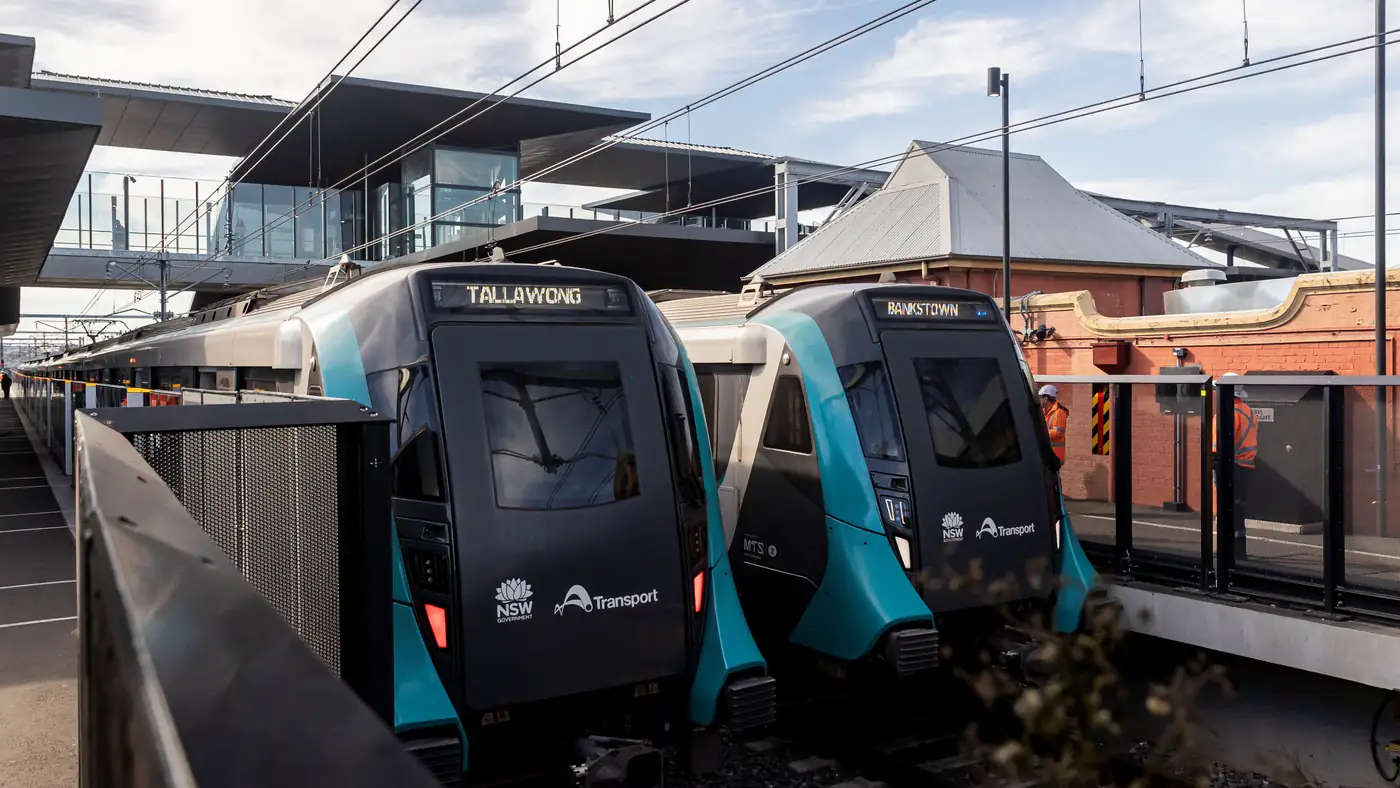
Complete guide to Sydney's Metro Southwest Bankstown line: timetable, fares, stations, Opal fares, parking, and commuter tips for the new line.