
Sydney City: Western Sydney Airport
Western Sydney Airport is preparing for its first full year of operations.
6 min read

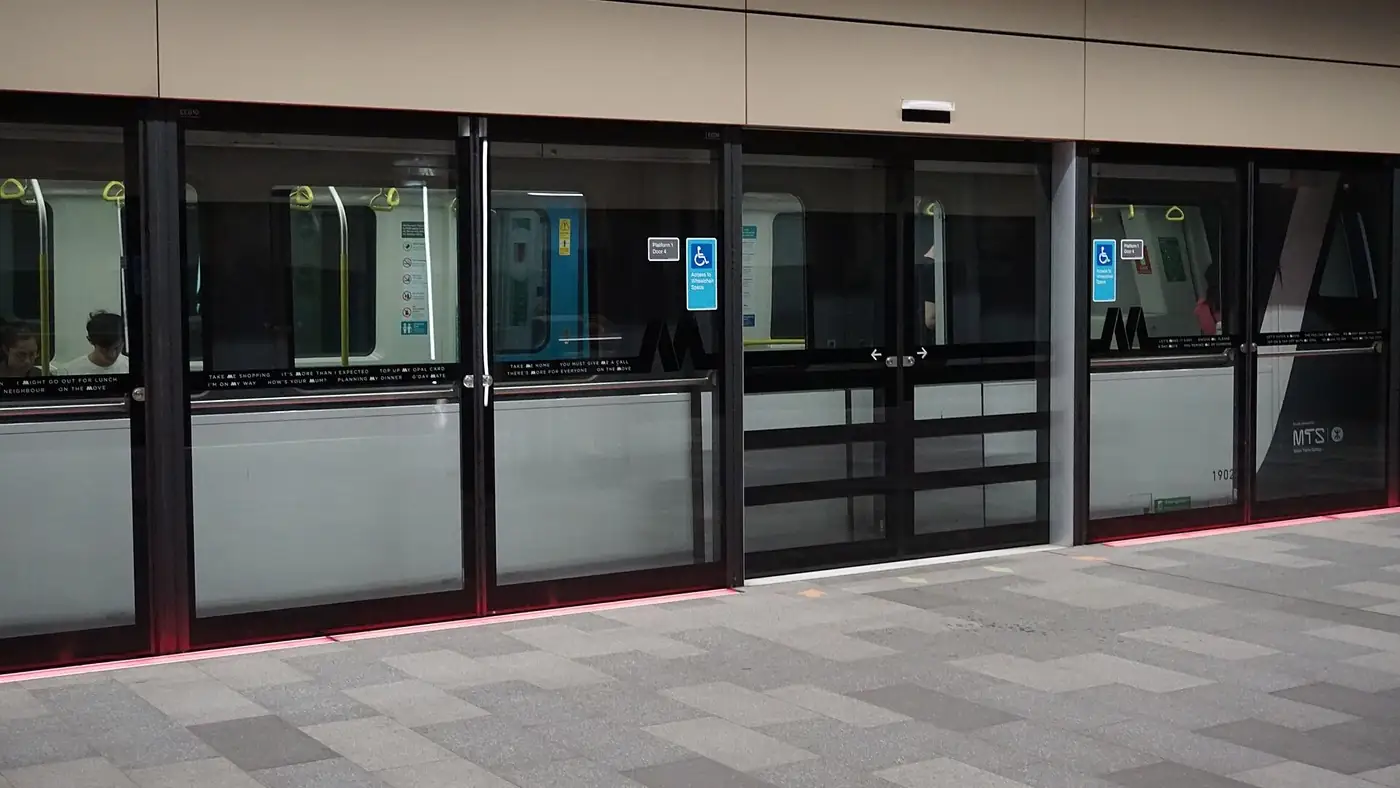
Trial Running finished on 1 September and all ten stations are complete, yet Sydney still has no date for the Bankstown metro. The wait is now regulatory.
The City Desk is a contributing writer covering city and public affairs for The Sydney Times.
Sydney Metro finished Trial Running on the Southwest line on 1 September and declared all ten stations complete on 21 September. Neither milestone produced a date for passenger services. As of 5 October, five weeks after the testing programme ended, the Southwest Metro opening date remains unannounced and the delay has moved decisively from a construction problem to a regulatory one.
The construction programme is over. The gate the project is now waiting on belongs to the Office of the National Rail Safety Regulator, and that regulator has never published a statement about the Bankstown extension.
Trial Running ran for five weeks and covered more than 130 operational scenarios, including a major emergency exercise planned more than twelve months ahead that simulated a fire on a moving train near Bankstown Station and evacuated around 300 volunteers. Fully automated running under the Operations Control Centre followed, replacing the driver who had been aboard every test movement.
The physical works are also complete. All ten stations between Marrickville and Bankstown have been finished, with lifts installed at Wiley Park, Dulwich Hill, Hurlstone Park, Punchbowl and Canterbury, meaning all ten are step-free. Remaining work at the upgraded stations is finishing touches: asphalting on platforms, fence remediation, signage and concourse finishes.
The testing thresholds are published. A metro line requires a minimum of 9,000 hours of high-speed testing and 30,000 kilometres before opening, drawn from more than 70 key integration tests and 700 individual checks. On 1 September Sydney Metro reported more than 5,800 hours and 24,235 kilometres complete. On 21 September the government reported more than 6,150 hours and approximately 24,750 kilometres.
That is 68 per cent of the required testing hours, five weeks from a line the government has been promising to open since at least mid-2025.
The regulator's position has been consistent and is worth quoting precisely. ONRSR stated that "a target date for the commencement of passenger services was neither ONRSR's to set nor comment on," and that it "requires sufficient time to undertake that assessment" once all the evidence supporting the safety case is received.
Minister for Transport John Graham tied the date to the same process. As Sydney Metro's statement of 1 September put it, the project and operator Metro Trains Sydney "will finalise documentation for the independent regulatory assessment ahead of the formal accreditation process." Graham said the government would provide "a firmer guide on the opening timeline, as we get closer to final accreditation."
That framing is defensible. Regulators cannot let an infrastructure manager announce an opening date it has not yet been certified to meet. It is also the reason Sydney has no date at all, since the only party that could end the uncertainty is the regulator that has said nothing.
Once open, the M1 line runs as one continuous 51.5-kilometre service from Tallawong to Bankstown, capable of moving around 17,000 passengers in each direction every hour through the Sydney CBD. Peak headways go to four minutes, which is 15 trains per hour against the eight per hour the T3 line previously carried on the same corridor.
The travel time Bankstown to Gadigal Station is projected at 30 minutes, a saving of 15 minutes on the previous 45-minute heavy rail journey to Town Hall. The NSW Government has also published patronage modelling for the line, projecting 9,500 passenger movements between 8am and 9am on weekdays, a 34 per cent increase on the 7,100 movements recorded on the pre-conversion T3.
A separate problem sits underneath the timetable. On 14 July 2026 a ministerial release said more than 18,000 metro trips were expected between Bankstown and Central in the morning peak hour. Eighteen days later, a different ministerial release put the Southwest figure at 9,500 passenger movements in the same hour on the same corridor.
Trip movements and passenger movements are different units, which may explain part of the gap, but neither release defines its measurement basis. A corridor forecast that varies by nearly a factor of two in a single month will not survive scrutiny once the line carries real passengers, and neither figure has been reconciled on the public record.
Official testing progress has its own inconsistency. Sydney Metro's own newsroom put the distance travelled at around 23,000 kilometres on 14 July, while the ministerial release of the same day said around 22,000.
The absence of a date sits against a documented transparency problem that is broader than this project. The Audit Office of New South Wales reported in March 2026 that more than 75 per cent of transport projects had no estimated total cost published in the Budget Papers, and that the state wrote off $657 million in Transport for NSW capital project costs over three years, $265 million of it from cancelled projects.
City and Southwest is a Tier 1 high profile, high risk project under Infrastructure NSW's assurance framework. Its estimated total cost continues to be reported as "n.a." in the Infrastructure Statements.
No cost has ever been published for the delay to this opening. Trackwork for the final integration ran through 2 October. Whether the line opens in October, November or later, the next formal milestone the government controls is the submission of the accreditation package, and the regulator has not committed to a response time. Read more in The City's transit coverage and our Parramatta and Western Sydney desk. Regulator background is published by the Office of the National Rail Safety Regulator.
Direct inquiries, corrections, or documentation concerning this dispatch to our editorial newsroom desk.
Western Sydney Airport is preparing for its first full year of operations.

Sydney Metro City Southwest extension is preparing for trial runs in 2026. The extension will add 12 stations and 26 kilometres of track to the Sydney

Western Sydney hospitals receive a $38 million health package boost. The funding will support critical infrastructure upgrades and expanded services
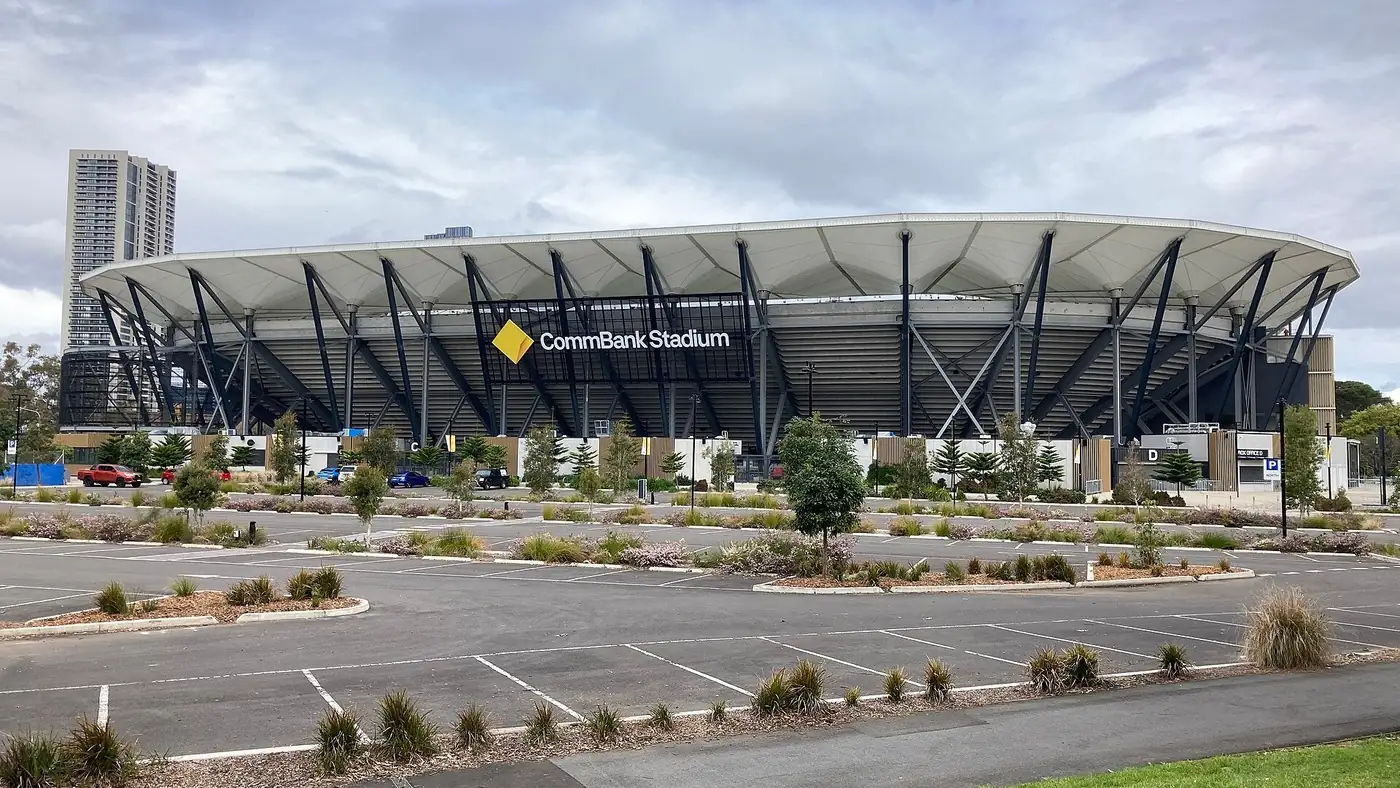
A 17-floor hotel plan from 2018 was replaced by an eight-storey precinct after member feedback. Stage 1 construction is targeted to start early 2027.