
Sydney Property: Housing Market Outlook: Sydney's housing mark
Sydney's housing market outlook for 2027 shows cautious optimism. After a period of adjustment to higher interest rates, the property market is showing.
6 min read

Greater Sydney's owner-occupier rate has fallen to 59.9 percent in 2025, the lowest level since the late 1950s, according to KPMG analysis of rental bond.
The Property Desk is a contributing writer covering property and public affairs for The Sydney Times.
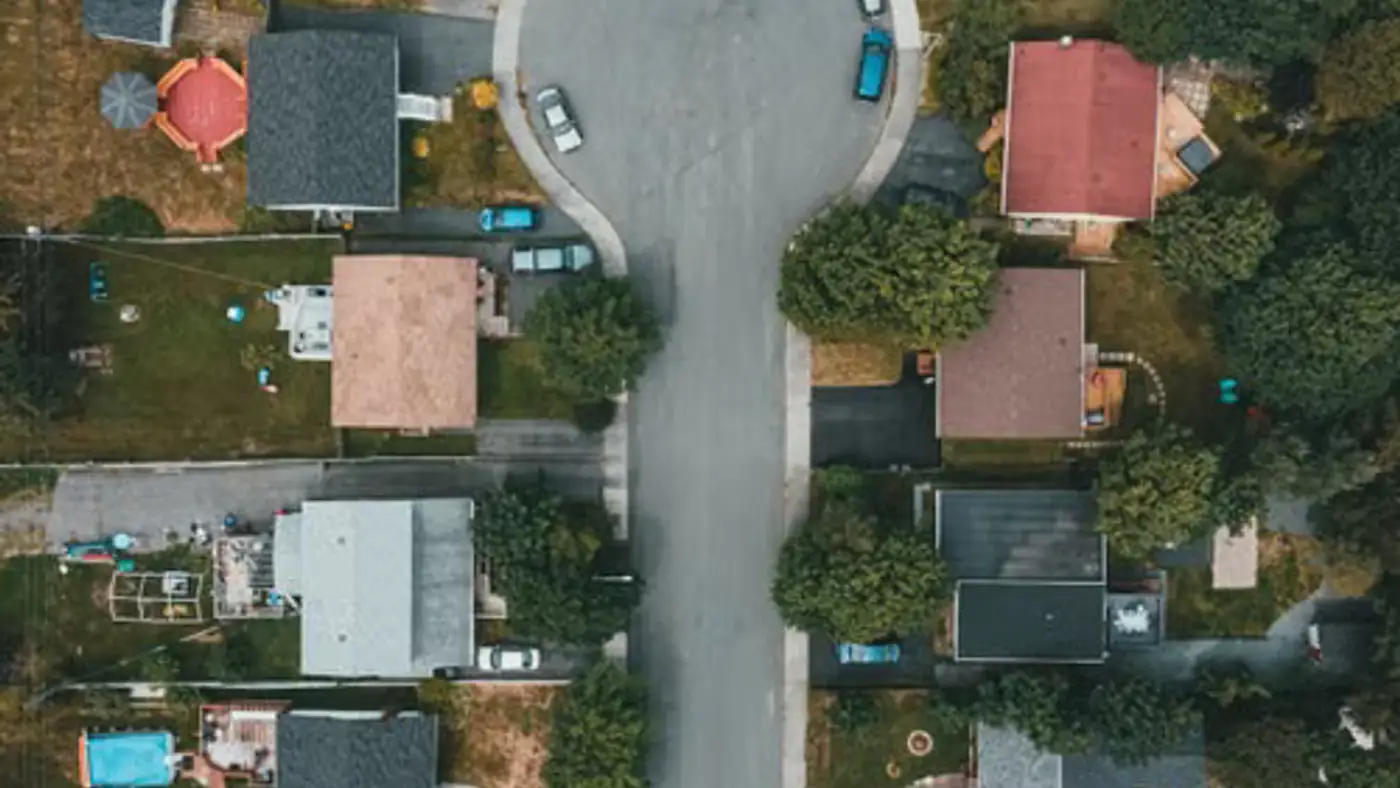
Greater Sydney's owner-occupier rate has fallen to 59.9 percent in 2025, the lowest level since the late 1950s, according to KPMG analysis of rental bond data and ABS household surveys. The decline extends a decades-long trend in which rising property values have pushed an increasing share of households into permanent renting, with younger and lower-income families bearing the brunt of the structural shift.
The national owner-occupier rate stands at 65.9 percent, down from 66.3 percent in 2021. The entire gap between the national figure and the Sydney result is explained by New South Wales, where median dwelling values have climbed far faster than household incomes. The median Sydney dwelling value reached $1.2 million in July 2026, according to Cotality, while the ABS recorded median household income at $108,000. That puts the median dwelling at more than 10 times median household income, a ratio that has worsened steadily since the pandemic.
The downturn in Sydney house prices that began in late 2025 has been led by the premium end of the market. realestate.com.au reported that the median Sydney house price fell from a peak of $1.632 million in November 2025 to $1.545 million by August 2026, a decline of 5.8 percent. Houses in the top 25 percent value bracket fell 10.7 percent from peak, according to Cotality, while more affordable outer suburbs have proven more resilient.
The price correction has not been uniform. Hebersham, one of the cheapest quintile suburbs, is forecast to ease only 1 to 2 percent over the current cycle, while Lilyfield and Bondi Beach face forecast declines of 6 to 7 percent and 3 to 4 percent respectively. The divergence reflects the degree to which higher interest rates and tighter lending standards have compressed borrowing capacity at the expensive end of the market, while first-home buyers and investors continue to seek entry-level stock in the outer south-west.
Several affordable outer-Sydney suburbs have recorded double-digit annual growth despite the broader downturn, driven by first-home buyer demand and relative affordability. Ashcroft-Busby-Miller rose 13.9 percent year-on-year, Colyton-Oxley Park gained 13.62 percent, and St Marys-North St Marys increased 13.53 percent, according to Cotality. These suburbs sit within commuting distance of the new Sydney Metro Western Sydney Airport line and offer house prices well below the Sydney median.
Rental markets have been even more polarised. Abbotsford recorded house rent growth of 41.3 percent annually in the June 2026 Domain Rent Report, one of the largest movements in the state. The surge reflects the suburb's proximity to the CBD and the limited supply of rental properties in the inner-city segment. At the other end of the spectrum, apartment rents in the CBD and inner south have stabilised after two years of post-pandemic volatility.
The KPMG analysis points to a generational divide in which younger households are deferring or abandoning home ownership entirely. The owner-occupier rate for households aged 25 to 34 has fallen to 42 percent, compared with 78 percent for households aged 65 to 74. The gap is explained by a combination of factors: deposit requirements that have outpaced wage growth, increased participation in the gig economy that weakens loan serviceability assessments, and the migration of adult children back into parental households.
The ABS defines owner-occupiers as households where at least one resident owns the dwelling, either outright or with a mortgage. The 59.9 percent figure for Greater Sydney includes outright owners and those with mortgages, and it masks a deeper shift in the tenure mix. The share of households owning outright has fallen from 31 percent in 2011 to 24 percent in 2025, while the mortgage-holding share has remained relatively stable at around 36 percent. The renter share has expanded from 33 percent to 40 percent over the same period.
The NSW Government has responded with a package of measures aimed at boosting supply, including the $10 million Housing Supply Package announced in the 2026-27 state budget. The package includes funding for council planning staff, fast-tracked rezoning of surplus government land, and incentives for medium-density development in transit corridors. The state's target of 377,000 new dwellings over five years remains well short of the estimated 550,000 needed to restore affordability to pre-2020 levels.
The RBA's cash rate, held at 4.35 percent in September 2026, continues to constrain borrowing capacity. A 1 percent increase in the cash rate reduces the maximum loan amount for a typical first-home buyer by approximately $80,000, according to modelling by the Australian Banking Association. Until supply catches up with demand or interest rates fall, the owner-occupier rate is likely to remain at historically low levels.
For the latest ABS income and housing data, see the ABS Household Income and Wealth survey. For Sydney price movements, refer to the Cotality Home Value Index and the Domain House Price Report. realestate.com.au publishes monthly price updates at realestate.com.au/news.
Explore more Sydney property analysis at the Property & Suburbs hub
Read about Sydney's city planning and infrastructure at The City hub
Direct inquiries, corrections, or documentation concerning this dispatch to our editorial newsroom desk.
Sydney's housing market outlook for 2027 shows cautious optimism. After a period of adjustment to higher interest rates, the property market is showing.

Sydney's commercial property market is showing signs of recovery. After a prolonged period of uncertainty, the city's office and retail sectors.

Sydney's rental market is showing signs of stabilisation as vacancy rates shift. The property market is adjusting to new supply levels and changing tenant.
NSW rental vacancy rate dropped to 1.2% in September 2026, putting pressure on rents as supply stays tight across Greater Sydney and regional centres.