
Sydney Property: Housing Market Outlook: Sydney's housing mark
Sydney's housing market outlook for 2027 shows cautious optimism. After a period of adjustment to higher interest rates, the property market is showing.
6 min read

The opening of Western Sydney International Airport in late 2026 is transforming the surrounding suburbs into one of Sydney's most active property markets.
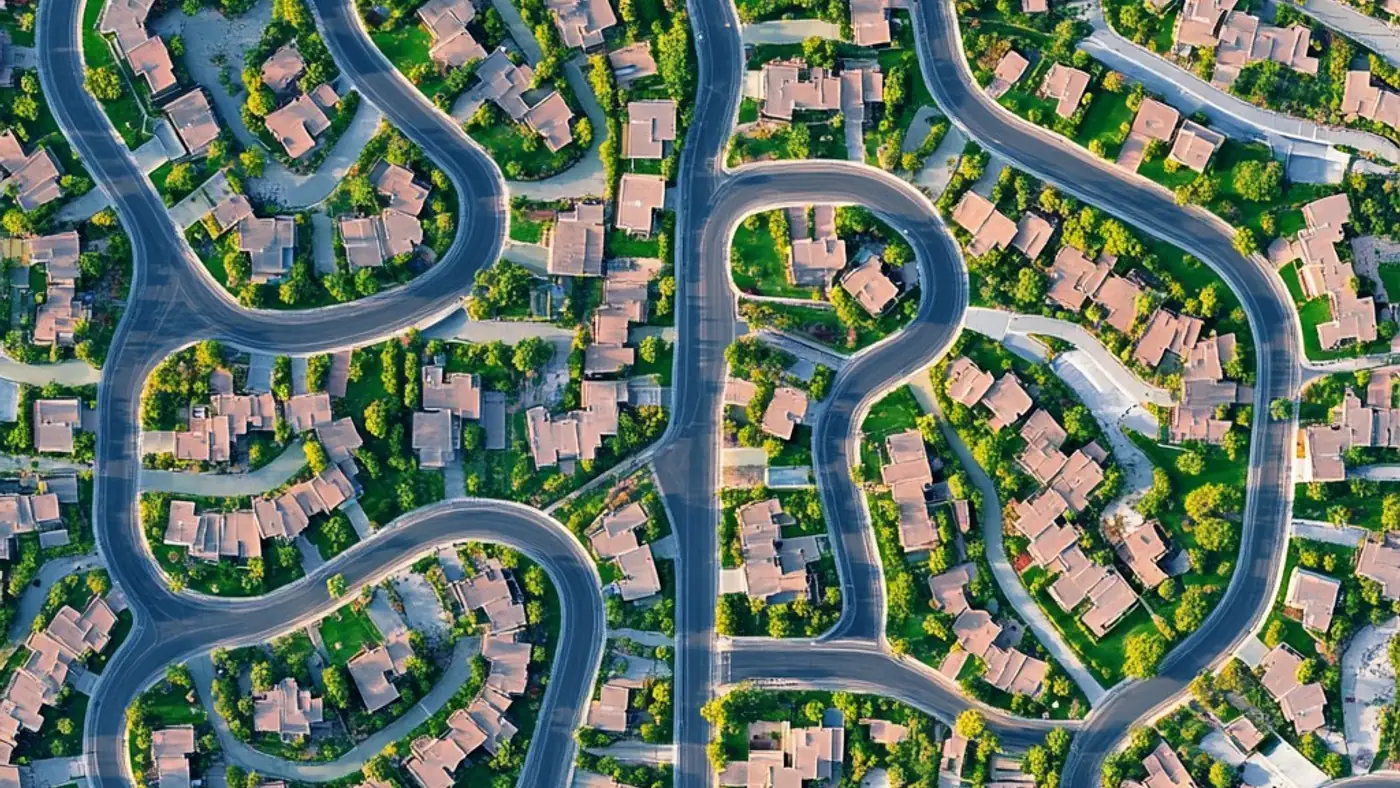
The Property Desk is a contributing writer covering property and public affairs for The Sydney Times.
The opening of Western Sydney International Airport in late 2026 is transforming the surrounding suburbs into one of Sydney's most active property markets, with residential rents spiking above $1,500 per week in airport fringe suburbs and industrial land values surging as the Aerotropolis pipeline attracts billions in investment. The airport, officially named the Nancy-Bird Walton Airport, will serve as the catalyst for a planned 11,200-hectare aerotropolis that the NSW Government projects will support 120,000 to 200,000 jobs over the long term.
The M12 Motorway, a 16-kilometre toll-free link between the airport and the existing motorway network at Cecil Park, opened on 14 March 2026. The road has reduced travel times from the CBD and inner west, and it has unlocked land for residential and industrial development in suburbs that were previously isolated by poor transport connections. The Sydney Metro Western Sydney Airport line, which will run from St Marys to the airport via Orchard Hills, Luddenham, and Bradfield, is scheduled to open in 2027, providing a direct rail link to the existing T1 Western Line.
The infrastructure pipeline has produced sharp price growth in the airport corridor over the past year. Penrith recorded house price growth of 9.8 percent year-on-year, Richmond-Trewolla gained 9.2 percent, Campbelltown rose 9.2 percent, St Marys increased 9.0 percent, and Bringelly-Green Valley added 7.8 percent, according to Cotality data for the June 2026 quarter. The growth is being driven by first-home buyers and investors who are priced out of the inner city and are willing to trade commute time for affordability.
St Marys, which sits at the intersection of the existing T1 Western Line and the future Metro line, has emerged as the most active market in the corridor. The suburb offers house prices in the range of $850,000 to $950,000, well below the Sydney median of $1.545 million, and it has a established retail and community infrastructure that newer suburbs lack. The St Marys town centre includes a hospital, a TAFE campus, and a major shopping centre, and it is served by the existing intercity rail line with direct services to Parramatta and the CBD.
Rents in the airport corridor have risen faster than prices, reflecting the acute shortage of rental accommodation in Western Sydney. The vacancy rate in Campbelltown, Liverpool, and Penrith stands at 0.9 to 1.1 percent, according to SQM Research, well below the Sydney average of 1.5 percent. Rents for three-bedroom houses in St Marys and Penrith have reached $1,500 per week, a 20 percent increase over the past year. The pressure is being felt most acutely by low-income households and essential workers who are being priced out of the rental market entirely.
While the residential market has attracted most of the attention, the industrial property sector is experiencing its own transformation. Cushman and Wakefield reported in April 2026 that the industrial pipeline in the WSI precinct reached 2.35 million square metres in the second quarter of 2026, with a pre-commitment rate of 51.5 percent. The pipeline includes warehouse, logistics, and light industrial facilities designed to serve the airport's cargo and freight operations.
The largest transaction in the precinct was Goodman's acquisition of 235 Martin Road, Badgerys Creek, a 1.96 million square metre site, for $575 million in August 2025. The site is adjacent to the airport terminal and is being developed as a major logistics and distribution hub. Other significant acquisitions include a 120,000 square metre site at Luddenham, purchased by Stockland for $85 million, and a 45,000 square metre site at Orchard Hills, purchased by Frasers Property for $32 million.
The industrial boom is driven by the expectation that the airport will generate significant cargo volumes, with the NSW Government projecting 350,000 tonnes of freight per annum by 2030. The airport's design includes a dedicated freight precinct with direct access to the M12 and the Western Motorway, making it attractive to logistics operators who need to serve the Greater Western Sydney market. The proximity to the Western Sydney Parklands and the planned Aerotropolis business district is also expected to attract advanced manufacturing and technology companies.
The Bradfield City Centre, planned as the commercial and civic heart of the Aerotropolis, will sit adjacent to the airport terminal and is intended to house the headquarters of government agencies, aerospace companies, and research institutions. The centre is being developed by the Western Sydney Aerotropolis Authority, a state government agency established in 2020. The first stage of the centre, which includes a government office building and a public plaza, is expected to be completed by 2028.
The full build-out of the Aerotropolis is projected to take until 2060, with the population of the surrounding LGAs expected to grow from 150,000 to 500,000 over the same period. The planning framework includes residential zoning for 47,000 new homes, with a target of 10 percent affordable housing. The framework also includes green space requirements, with 30 percent of the Aerotropolis precinct set aside for parks, wetlands, and biodiversity corridors.
The property surge in the airport corridor carries significant risks for buyers and investors. The most immediate risk is over-supply, with the industrial pipeline running ahead of confirmed tenant commitments. JLL warned in July 2026 that the Aerotropolis industrial market could become oversupplied if the airport's cargo volumes fall short of projections and if the broader economy slows. The vacancy rate in the Western Sydney industrial market already stands at 4.2 percent, according to JLL, and could rise to 6 percent if all committed projects proceed to completion.
The residential market also faces challenges. The price growth of the past two years has reduced affordability in suburbs that were previously considered entry-level, and the rise in interest rates has increased the cost of servicing a mortgage. A household earning the Western Sydney median income of $95,000 can borrow approximately $620,000 at current rates, which is sufficient for a unit in St Marys but not for a house in Penrith. The result is that first-home buyers are being pushed further west, to suburbs such as Bringelly and Leppington, where prices are lower but transport links are less established.
For the Cushman and Wakefield report, see Western Sydney Aerotropolis gathers momentum. The JLL analysis is available at JLL Sydney industrial market report. NSW Government planning documents are published at NSW Planning Portal.
Explore more Sydney property analysis at the Property & Suburbs hub
Read about Sydney infrastructure and transport at The City hub
Direct inquiries, corrections, or documentation concerning this dispatch to our editorial newsroom desk.
Sydney's housing market outlook for 2027 shows cautious optimism. After a period of adjustment to higher interest rates, the property market is showing.

Sydney's commercial property market is showing signs of recovery. After a prolonged period of uncertainty, the city's office and retail sectors.

Sydney's rental market is showing signs of stabilisation as vacancy rates shift. The property market is adjusting to new supply levels and changing tenant.
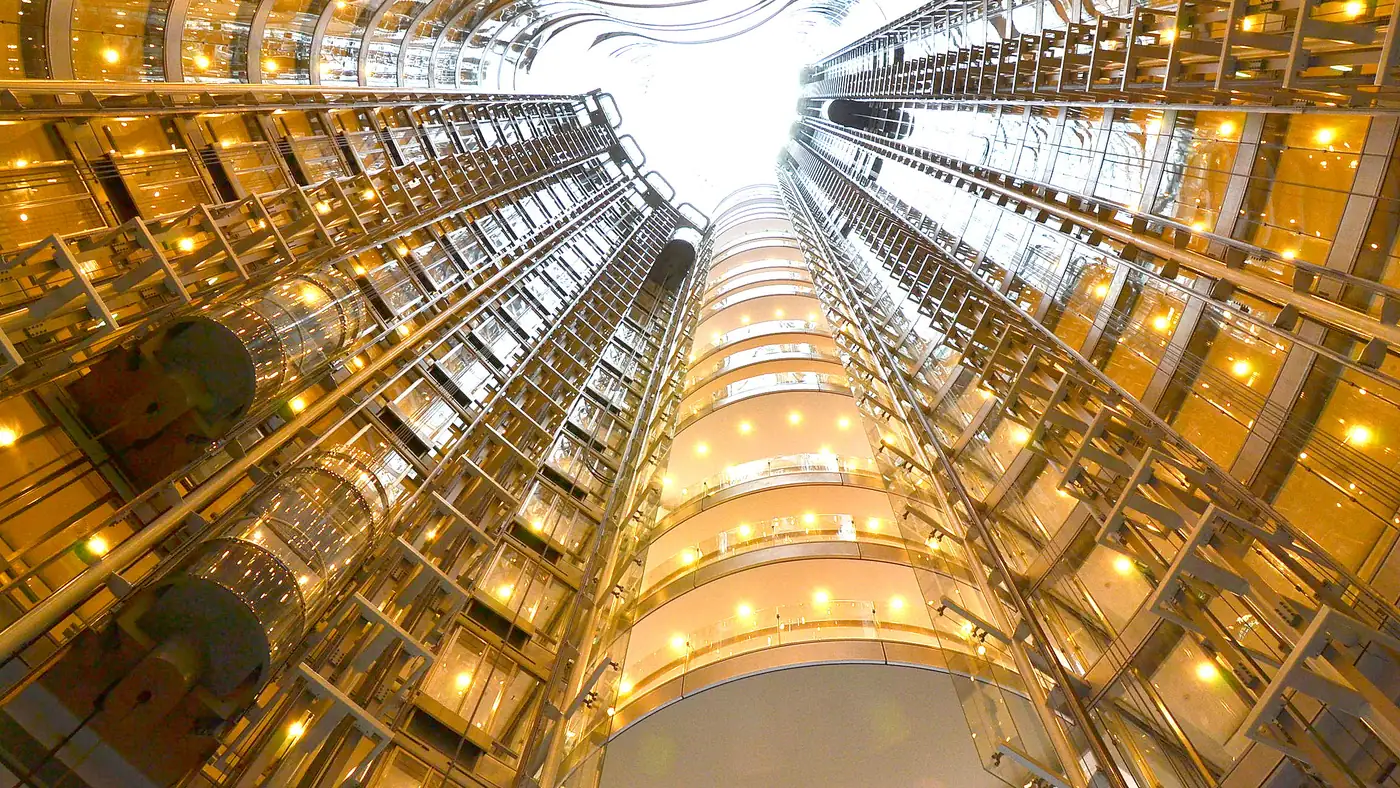
NSW rental vacancy rate dropped to 1.2% in September 2026, putting pressure on rents as supply stays tight across Greater Sydney and regional centres.